
S&S Paving & Construction Services
Asphalt Crack Sealing and Crack Filling Services in Phoenix, AZ
S&S Paving & Construction provides asphalt crack sealing and crack filling services for parking lots, driveways, roadways, and commercial pavement throughout Phoenix and Maricopa County. We clean and seal suitable asphalt cracks to reduce water intrusion, slow further pavement damage, and help property owners avoid more expensive repairs.
Overview
Professional Crack Sealing Services in Arizona
Asphalt crack sealing and crack filling are preventive pavement maintenance services used to treat cracks before they spread into larger areas of damage. The process normally includes cleaning the crack, preparing the surrounding pavement and applying an appropriate sealing material. The material helps limit water and debris from entering the pavement structure.
Although the terms are often used interchangeably, the correct treatment can depend on the crack’s width, movement, depth and overall pavement condition.
Ready to Get Started?
Contact our team today for a free consultation and estimate on your crack sealing project.
All Services
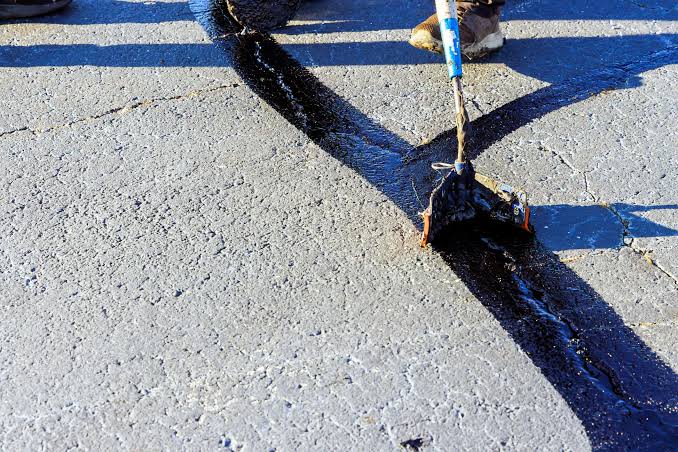
Parking Lot Crack Sealing Services in Phoenix
Parking lot cracks can allow moisture, dirt and debris to enter the pavement structure. Over time, untreated cracks may expand, create loose pavement edges and contribute to potholes or larger repair areas.
S&S Paving & Construction provides parking lot crack sealing for retail centers, office properties, apartment communities, industrial facilities, schools, churches and other commercial sites throughout Phoenix. Work can be planned around traffic patterns, business hours and property access requirements to reduce disruption.
Hot-Pour Rubberized Asphalt Crack Sealing
Hot-applied rubberized sealant is installed in properly prepared cracks to help block water and debris from reaching the pavement base. Its flexible properties allow it to accommodate normal crack movement caused by traffic and changes in pavement temperature.
Commercial Parking Lot Crack Sealing
We seal cracks in retail centers, offices, warehouses, industrial properties, apartment communities, HOAs, schools, and other commercial parking lots. Work can be completed in phases to maintain access to entrances, parking areas, loading zones, and active businesses.
Asphalt Crack Filling & Minor Crack Repair
Longitudinal, transverse, edge, and pavement-joint cracks are evaluated to determine whether crack filling, flexible crack sealing, patching, or a larger asphalt repair is appropriate. Potholes, settlement, and widespread alligator cracking require more than surface filler.
Driveway, Roadway & Municipal Crack Sealing
Our crack sealing services can be used on residential driveways, private roads, community pavement, municipal streets, and other asphalt roadways. We serve suitable projects throughout Phoenix, Tempe, and surrounding Maricopa County communities.
Crack Routing, Cleaning & Preparation
Selected moving cracks may be routed to form a controlled reservoir for the sealant. Dirt, vegetation, loose asphalt, dust, and other contaminants are then removed so the material can bond directly to sound, properly prepared crack walls.
Crack Filling Before Sealcoating
When sealcoating is planned, suitable cracks should be cleaned and treated first. Crack filling addresses individual pavement openings, while sealcoating protects the wider asphalt surface. Sealcoat alone cannot repair potholes, failed pavement, or structural cracking.
Our Asphalt Crack Sealing Process
01
Pavement Inspection & Crack Mapping
We inspect the asphalt, identify the cracking pattern, measure suitable openings, and review high-traffic or drainage-sensitive areas. Sealable cracks are separated from potholes, alligator cracking, settlement, and base failure that may require patching, resurfacing, or reconstruction.
02
Crack Cleaning & Routing
Vegetation, loose aggregate, dirt, and debris are removed from each crack. Where routing is appropriate, a controlled channel is created to improve sealant placement and adhesion. Cracks must be properly prepared and dry before material is installed.
03
Hot-Pour Sealant Application
The selected rubberized asphalt sealant is heated and applied according to the material requirements and existing pavement condition. It is placed into the prepared opening to limit water intrusion while remaining flexible enough to accommodate normal pavement movement.
04
Finishing, Curing & Reopening
The treated cracks are finished, and fresh material is protected from vehicle pickup while it sets. Work may be phased around parking, deliveries, and property access. Reopening time depends on the sealant, pavement temperature, weather, traffic, and site conditions.
Not every pavement crack should receive the same treatment. S&S Paving & Construction evaluates the cracking pattern, pavement condition, drainage, traffic demands, and related damage before recommending crack sealing, crack filling, patching, or another asphalt repair.
Rubberized Flexibility
Hot-pour rubberized sealant flexes with pavement through Arizona's 100°F+ temperature swings — staying sealed where rigid materials crack and fail.
Water Intrusion Prevention
Every crack sealed is a pathway for water closed. Keeping water out of the base is the single most effective way to prevent pavement failure in Phoenix.
Fast Application, Minimal Downtime
Our crews work efficiently across large areas and most projects are returned to traffic the same day — no extended closures for your lot or roadway.
Lower Long-Term Paving Costs
Crack sealing now prevents overlay or replacement costs later — the ROI on a proper crack sealing program is one of the highest in pavement maintenance.
Let's Protect Your Pavement with Crack Sealing
Contact our experienced team for a free, no-obligation crack sealing estimate for your Phoenix, AZ pavement.
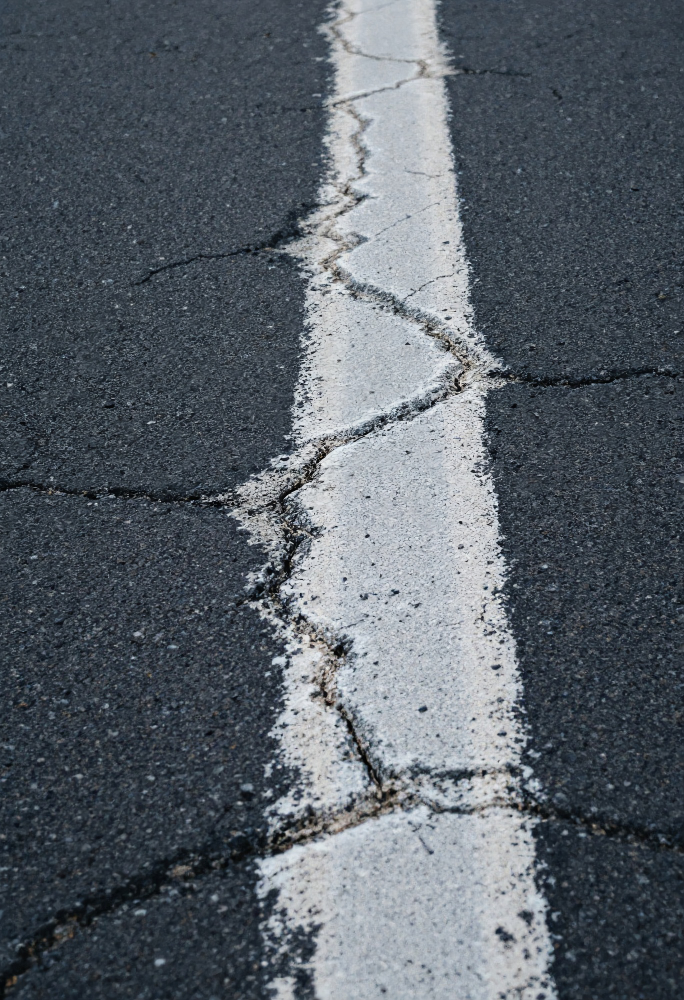
Crack Sealing In Arizona
Struggling with Cracks That Are Getting Worse Every Season?
Arizona’s freeze-thaw cycles, monsoon rains, and intense summer heat expand cracks rapidly. Left unsealed, they become potholes. Left too long, they become full pavement failures. When you partner with S&S Paving & Construction, we stop that progression. Tell us if you’re also dealing with:
- Hairline or medium-width cracks spreading across your asphalt surface
- Water pooling in cracked areas after Phoenix monsoon rains
- Cracks widening season after season with no maintenance program in place
- Pavement condition declining faster than your maintenance budget allows
- Previous crack filling failing and reopening within one season
Safety First
Quality Materials
Trusted Service
People-Focused
AREAS WE SERVE ACROSS PHOENIX ARIZONA
We proudly serve all of Greater Phoenix Arizona with no travel fees and deliver professional crack sealing services directly to your property. Whether a single commercial parking lot or a multi-site HOA portfolio, our crews operate across every neighborhood and municipality in Maricopa County.
- Phoenix
- Gilbert
- Tempe
- Mesa
- Central Phoenix
- Historic Gilbert
- South Phoenix
- West Mesa
- Agritopia
- Alhambra
- Dobson Ranch
- Val Vista
- Maryvale
- Red Mountain
- Cooley Station
- Ahwatukee
- Las Sendas
- Power Ranch
- Papago Park
- Scottsdale
- Ocotillo
- Glendale
- Encanto
- Chandler
What Our Clients Say
5.0 / 5.0
Based on Google Review
Phoenix-Specific Planning for Asphalt Crack Sealing
Phoenix pavement does not deteriorate for one reason alone. Across commercial corridors near Sky Harbor and Central City, employment centers in Deer Valley, mixed-use areas around North Mountain and Encanto, and business properties extending into Tempe, asphalt is exposed to intense sunlight, repeated traffic, irrigation runoff, and sudden monsoon storms. The City of Phoenix explains that asphalt gradually oxidizes, becoming drier, more rigid, and less flexible, while repeated vehicle loading contributes to deterioration. Once cracks open, water can enter the pavement structure. Phoenix’s pavement-preservation program therefore uses modified asphalt-rubber crack seal on streets that are still in relatively good condition, while Tempe identifies hot rubberized bitumen crack sealing as a preventive pavement treatment.
Local ground and drainage conditions also matter. Caliche, a calcium-carbonate layer commonly found in southern Arizona soils, can restrict water movement when it forms a dense or consolidated layer. On parking lots and private roads with poor drainage, low areas, landscape irrigation, or deteriorated pavement edges, restricted drainage can increase the risk of recurring damage after cracks open. A proper Phoenix crack-sealing assessment should therefore consider crack width and movement, nearby drainage, traffic loads, adjoining concrete, pavement settlement, and signs of base failure before determining whether sealing, crack filling, patching, or a larger repair is appropriate.
The work plan should also reflect the property. A warehouse truck court near Sky Harbor may require phased closures around delivery traffic, while a Central Phoenix retail lot may need shorter work zones that preserve storefront access. Apartment communities, HOA drives, schools, offices, and private roads may each require different access and curing arrangements. Crack sealing should be performed on properly prepared, dry pavement and completed before sealcoating when both services are planned.
Crack sealing on private property is generally different from work affecting public infrastructure. When a project enters a street, sidewalk, travel lane, or public right-of-way, permit or traffic-control coordination may be required through the applicable municipality. Larger work involving drainage changes, grading, or dust-generating operations may also require City of Phoenix review or compliance with Maricopa County Rule 310. Confirming these conditions before scheduling helps prevent delays and ensures the proposed treatment matches the property.
Driving Directions to Our Phoenix Paving Office
Coming to S&S Paving & Construction for crack sealing services? Our Phoenix office is at 4636 E University Dr, Phoenix, AZ 85034. From SR-143, exit at University Drive and continue along E University Drive to 4636 E University Dr.
Frequently Asked Questions About Crack Sealing
What is the difference between asphalt crack sealing and crack filling?
Crack sealing generally uses a flexible material for cracks that may keep moving, while crack filling is often used for less active cracks. The right treatment depends on crack width, movement, and pavement condition, so an inspection should guide the recommendation.
What types of cracks can be sealed in asphalt pavement?
Longitudinal, transverse, edge, joint, and some block cracks may be suitable. Widespread alligator cracking, potholes, settlement, or base failure normally require patching, resurfacing, base repair, or replacement rather than crack sealer alone.
When is the best time to seal asphalt cracks in Phoenix?
Crack sealing should be performed on dry pavement under conditions that allow the material to bond and cure correctly. In Phoenix, scheduling should also account for extreme surface heat and monsoon rain. Exact requirements depend on the product and site conditions.
How long does crack sealing last in Phoenix, Arizona?
Well, it depends on preparation, drainage, traffic, crack movement, material selection, and the pavement’s condition. A properly installed treatment may protect the pavement for years, but Phoenix heat and continued movement can cause some cracks to reopen over time.
What is crack routing, and does my parking lot need it?
Routing creates a controlled reservoir along a suitable crack so sealant can be installed more consistently and accommodate movement. It is not necessary for every crack. The contractor should evaluate the cracking pattern, dimensions, pavement condition, and chosen material first.
Should cracks be sealed before or after sealcoating?
Cracks should normally be cleaned and treated before sealcoating. Crack sealing addresses individual openings, while sealcoating covers the wider asphalt surface. Sealcoat alone is not a substitute for treating significant cracks, so the order of work matters. Phoenix also applies crack sealing before certain broader pavement treatments/
How soon can a parking lot reopen after crack sealing?
Reopening time varies with the sealant, pavement temperature, weather, and traffic conditions. Some areas can reopen relatively quickly, while others need longer. A contractor should provide a site-specific reopening plan and phase work when business access must remain available.
Is crack sealing worth it, or should I replace the asphalt?
It depends on the pavement’s structural condition. Crack sealing is appropriate when damage is limited and the pavement remains serviceable. Extensive fatigue cracking, deep potholes, depressions, or failed base material may make patching, resurfacing, or replacement more practical.
How much does crack sealing cost in Phoenix?
Pricing depends on crack length and width, cleaning or routing needs, site access, traffic control, and related repairs. An on-site inspection is the most reliable way to price the project. S&S Paving can provide an estimate based on the actual scope rather than a generic price.
Do you provide crack sealing in Tempe and nearby Phoenix-area communities?
S&S Paving provides crack sealing across Phoenix and surrounding Maricopa County communities, including Tempe when project scope and scheduling allow. The estimate can also address access, work phasing, drainage concerns, and related pavement maintenance needs.
