



Planning an asphalt paving project in Phoenix? Understanding the investment required for quality asphalt installation is crucial for homeowners, property managers, and business owners alike. One of the first questions people ask is how much does asphalt paving cost, especially when factoring in Phoenix’s heat and infrastructure needs.With Phoenix’s unique desert climate, extreme temperature fluctuations, and growing infrastructure demands, choosing the right paving approach and budgeting appropriately can make the difference between a surface that lasts decades and one that requires frequent repairs.
At S&S Paving & Construction, we’ve been transforming Arizona’s infrastructure for over 40 years, and we understand that every project is unique. This comprehensive guide will help you navigate the various factors that influence asphalt paving costs in the Phoenix area, so you can make decisions for your property.
Understanding Asphalt Paving Costs in Phoenix
Asphalt paving costs in Phoenix vary significantly based on multiple factors, but having a general understanding of pricing ranges can help you budget effectively for your project. The investment for asphalt paving typically ranges from moderate to higher-end depending on project complexity, with several key variables affecting the final cost.
Project scale plays a major role in determining your per-square-foot investment. Small residential projects often carry higher per-unit costs due to mobilization expenses and setup requirements, while larger commercial projects benefit from economies of scale. This is why a small driveway repair might cost significantly more per square foot than a large parking lot installation.
Residential vs. Commercial Asphalt Paving Investments
Residential Driveway Paving
For homeowners in Phoenix, driveway paving represents a significant investment in property value and curb appeal. A typical residential driveway ranges from 600 to 800 square feet, though this can vary considerably based on home size and layout.
The investment for residential asphalt paving depends on several factors including base preparation requirements, site accessibility, and desired asphalt thickness. Properties with challenging access, steep grades, or requiring extensive excavation will require a higher investment. Additionally, the thickness of both the base layer and asphalt overlay affects durability and cost.
Most residential projects require thorough base preparation to ensure longevity in Phoenix’s challenging climate. This includes proper grading, compaction, and sometimes the installation of additional base materials to handle thermal expansion and contraction.
Commercial Parking Lot Paving
Commercial asphalt projects in Phoenix typically offer better value per square foot due to their larger scale. A standard commercial parking lot installation covers significantly more area, allowing for more efficient use of equipment and materials.
For larger commercial projects spanning 10,000 square feet or more, property owners often see reduced per-unit costs. A typical 100-car parking lot represents a substantial investment, but the long-term value and functionality justify the expense for most businesses.
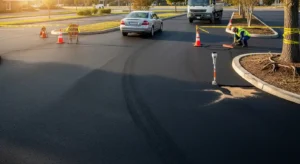
Commercial projects also require additional considerations such as proper drainage systems, striping and marking, curbing, and compliance with ADA requirements. These elements add to the overall investment but are essential for functionality and legal compliance.
Asphalt Services: Installation, Resurfacing, and Repair Cost Breakdown
New Asphalt Installation
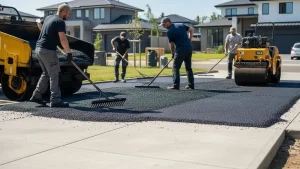
Full-depth asphalt installation represents the most comprehensive approach to paving. This process involves complete excavation, base preparation, and installation of fresh asphalt layers. For residential applications, this typically includes excavation, a compacted base layer, and a top asphalt surface.
Commercial installations require thicker asphalt layers and more robust base preparation to handle heavy traffic loads and frequent use. The investment is higher initially but provides superior longevity and performance, making it cost-effective over time.
Properties requiring extensive excavation, utility work, or dealing with challenging soil conditions will require additional investment. However, proper initial installation prevents costly repairs and extends pavement life significantly.
Asphalt Resurfacing
Asphalt resurfacing, also known as overlaying, offers an excellent value proposition for pavements with structurally sound bases. This process involves applying a new asphalt layer over the existing surface, providing renewed functionality at a fraction of full replacement cost.
The resurfacing process typically costs 40-60% less than complete replacement, making it an attractive option for budget-conscious property owners. However, this approach works best when the existing base remains stable and drainage issues have been addressed.
Some resurfacing projects may require milling (removing the top layer of existing asphalt) before applying the new surface. While this adds to the investment, it ensures proper thickness and drainage, preventing future problems.
Asphalt Repair and Maintenance
Proactive maintenance represents the most cost-effective approach to asphalt management. Regular paving maintenance services help extend pavement life and prevent minor issues from becoming major problems.
Pothole Repair: Addressing potholes promptly prevents water infiltration and further damage. The investment in timely pothole repair is minimal compared to the cost of allowing damage to spread.
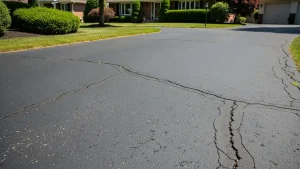
Crack Sealing: Phoenix’s temperature extremes cause asphalt to expand and contract, leading to crack formation. Professional crack sealing prevents water infiltration and extends pavement life significantly.
Sealcoating: Regular sealcoating protects asphalt from UV damage, oxidation, and chemical spills. This preventive measure represents a small investment that can double your pavement’s lifespan.

Key Factors Influencing Asphalt Paving Costs in Phoenix
Site Preparation and Base Work
Proper site preparation forms the foundation of any successful asphalt project. This crucial step involves clearing vegetation, excavating unsuitable materials, grading to proper slope, and installing a compacted base layer.
The extent of site preparation required significantly impacts your investment. Properties with poor drainage, unstable soil, or requiring extensive excavation will need additional base work. However, investing in proper preparation prevents future problems and ensures long-term performance.
Well-prepared bases provide the structural support necessary for asphalt longevity, especially important in Phoenix’s challenging climate where thermal cycling can stress improperly supported pavements.
Asphalt Thickness and Material Selection
The thickness of your asphalt installation directly affects both cost and performance. Residential driveways typically require 2 inches of asphalt over a 4-inch compacted base, while commercial applications may need 3-4 inches of asphalt over a 6-12 inch base.
Premium asphalt mixes designed for Phoenix’s climate offer superior performance but require higher initial investment. These specialized mixes resist rutting in extreme heat and cracking during temperature fluctuations, providing better long-term value.
Material selection should balance initial cost with long-term performance. While premium mixes cost more initially, they often provide better value over the pavement’s lifecycle through reduced maintenance requirements.
Project Size and Economies of Scale
Project size dramatically affects per-square-foot costs. Smaller projects carry higher per-unit costs due to mobilization expenses, equipment setup, and minimum material orders. Larger projects benefit from economies of scale, reducing per-unit costs significantly.
For example, a small 300-square-foot patch repair carries much higher per-square-foot costs than a 30,000-square-foot parking lot. This is why combining multiple small projects or coordinating with neighbors can provide cost savings.
Site Accessibility and Conditions
Phoenix’s diverse terrain and urban development patterns create varying accessibility challenges. Properties with limited access, requiring hand work, or presenting safety concerns will require additional investment.
Factors affecting accessibility include:
- Narrow or steep driveways
- Overhead obstacles limiting equipment access
- Traffic control requirements on busy streets
- Distance from material plants
- Parking restrictions in dense urban areas
Phoenix’s extreme heat also affects work scheduling. Many contractors adjust working hours to avoid peak temperatures, potentially affecting project timelines and costs.
Additional Features and Enhancements
Modern asphalt projects often include enhancements that add value and functionality:
Drainage Systems: Proper drainage prevents water damage and extends pavement life. Investment in drainage pays dividends through reduced maintenance needs.
Curbing and Borders: Concrete curbing provides clean edges and prevents asphalt edge deterioration.
Striping and Marking: Commercial projects require professional striping for functionality and compliance.
Sealcoating: Applied shortly after installation, sealcoating protects your investment and enhances appearance.
Permits and Engineering: Some projects require city permits and engineering plans, adding to overall project costs but ensuring compliance with local regulations.
Phoenix Market Conditions and Trends
Phoenix’s robust construction market affects material costs and contractor availability. Understanding these market dynamics helps with project planning and budgeting.
Material Costs: Asphalt prices fluctuate with petroleum costs, as bitumen (the binding agent) is derived from crude oil. Planning projects during stable pricing periods can provide savings.
Labor Availability: Phoenix’s skilled construction workforce commands competitive wages, reflecting the quality and expertise available in the market.
Seasonal Demand: Spring and summer represent peak paving seasons in Phoenix. Planning projects during off-peak periods may offer cost advantages and better contractor availability.
Competition: Phoenix’s competitive paving market helps maintain reasonable pricing while ensuring quality service from established contractors.
Getting the Best Value for Your Asphalt Investment
Maximizing value from your asphalt investment requires careful planning and contractor selection. Here are key strategies for ensuring the best outcome:
Multiple Quotes: Obtain detailed quotes from 2-3 established local contractors. Ensure quotes include all aspects of the project: base preparation, materials, labor, and any additional services.
Scope Clarity: Clearly define what’s included in each quote. Ask specifically about base work, material specifications, thickness, compaction requirements, and warranty terms.
Contractor Credentials: Verify licensing, insurance, and local references. Established contractors with strong reputations may cost more initially but provide better long-term value through quality workmanship.
Material Specifications: Understand what materials are being used. Higher-quality materials may cost more initially but provide better performance and longevity.
Warranty Coverage: Compare warranty terms and understand what’s covered. Reputable contractors stand behind their work with comprehensive warranties.
Smart Budgeting for Phoenix Asphalt Projects
Small to Medium Residential Projects
Single-family driveways and small commercial areas require careful budgeting considerations. These projects typically involve more detailed site preparation relative to their size and may require specialized equipment access.
Large Commercial Installations
Major parking lots and commercial developments benefit from economies of scale but require comprehensive planning for drainage, utilities, and compliance requirements. These projects often provide the best value per square foot.
Resurfacing and Maintenance
Overlay projects offer excellent value for structurally sound pavements. Regular maintenance represents the most cost-effective approach to pavement management, preventing minor issues from becoming major expenses.
Understanding these investment ranges helps in planning and budgeting, whether you’re a homeowner planning a driveway upgrade or a property manager maintaining a commercial facility.
Ready to Transform Your Property?
At S&S Paving & Construction, we bring over 40 years of Arizona experience to every project. Our commitment to precision, quality, and client satisfaction has made us a trusted partner for residential and commercial paving projects throughout the Phoenix area.
From small residential driveways to large commercial parking lots, we provide comprehensive solutions including earthwork, paving, maintenance, and construction management. Our experienced team works with you to develop cost-effective solutions that meet your specific needs and budget.
Contact us today for a free consultation and detailed project estimate. Let us help you make an informed decision for your asphalt paving investment.
FAQ’s
How much does asphalt paving cost in Phoenix?
Phoenix depends on several important factors such as project size, site accessibility, material selection, and the condition of the base. Local climate conditions like extreme heat and soil type can also influence the overall investment.
Is resurfacing more affordable than full asphalt replacement?
Yes, resurfacing is generally a more affordable option compared to full replacement. However, it’s only recommended if the existing base is still structurally sound and free of major drainage issues.
How long does asphalt paving typically last in Phoenix?
With proper installation and regular maintenance, asphalt surfaces in Phoenix can remain in good condition for many years. The region’s climate makes maintenance practices like crack sealing and sealcoating especially important.
How much should I budget for driveway paving in Phoenix?
Driveway paving costs vary significantly based on size, site conditions, and material specifications. A typical residential driveway represents a substantial investment, but proper installation provides decades of service and enhances property value.
What factors most affect asphalt paving costs in Arizona?
Key cost drivers include project size, site preparation requirements, material specifications, accessibility, and additional features like drainage and curbing. Phoenix’s climate also influences material selection and installation techniques.
When should I schedule asphalt work in Arizona?
While asphalt work can be performed year-round in Phoenix, spring and fall offer optimal conditions. Summer work may require adjusted schedules due to extreme heat, while winter provides excellent working conditions but higher demand.