
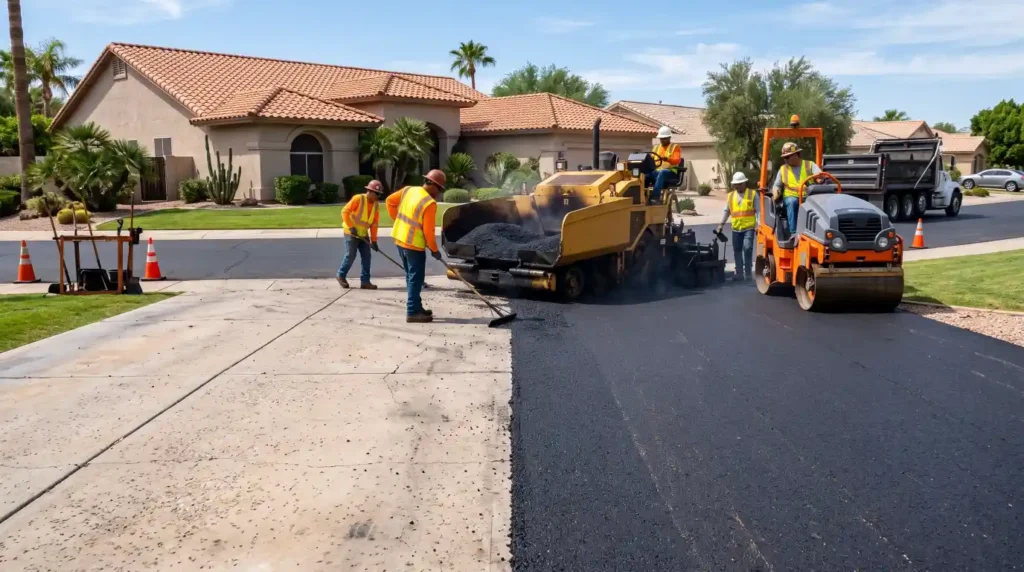
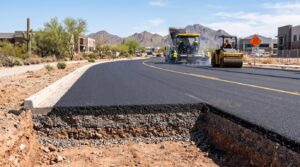
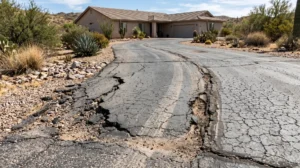
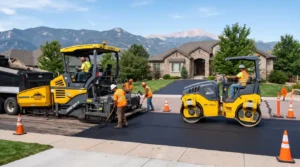
Yes, you can put asphalt over concrete, but only under the right conditions. The existing concrete has to be structurally sound and properly prepared before any asphalt goes down. If the base is cracked, sunken, or falling apart, laying asphalt on top will only cover up problems that show up again later.
Not every concrete driveway or parking lot is a good candidate for an asphalt overlay. Some surfaces are perfect for this kind of upgrade, while others really need to be torn out and replaced. This is something homeowners and property owners across Phoenix, Arizona run into often, since the desert climate can be tough on both concrete and asphalt over time. Knowing the difference can save you time, money, and frustration down the road.
Can You Put Asphalt Over Concrete?
Yes, asphalt can be installed directly over concrete in many cases. This process is called an asphalt overlay, and it uses the old concrete as a solid base for the new asphalt surface. When it works, an overlay works well when the concrete underneath is still strong, mostly flat, and free of major cracks or shifting.
In these cases, the concrete acts like a stable foundation, similar to how asphalt is normally laid over compacted gravel. When it doesn’t, an overlay is not a good fit when the concrete has large cracks, sunken sections, drainage issues, or a weak base. Covering these problems with asphalt usually just hides them for a short while before they reappear on the surface.
How Asphalt Over Concrete Works
Contractors often choose to overlay old concrete with asphalt instead of removing it, mainly because it saves time and money. Removing concrete takes heavy equipment and a lot of labor, so if the slab underneath is still solid, skipping that step and paving right over it is a much faster and cheaper option.
The catch is that asphalt does not naturally stick to concrete the way it does to gravel or dirt. To make it bond properly, contractors apply a tack coat, a special adhesive layer, before laying the asphalt down. This step, along with proper cleaning and crack repair beforehand, is what keeps the new surface firmly attached instead of cracking or peeling away early.
When Putting Asphalt Over Concrete Is a Good Idea
If the concrete slab is still strong with no major structural issues, it makes an excellent base for asphalt. A solid foundation is the single most important factor in whether an overlay will succeed. Small hairline cracks on the surface are usually not a big deal. These can be filled and treated before installation without causing problems for the asphalt layer above.
Concrete that has not shifted, sunken, or developed uneven spots gives asphalt a flat, predictable surface to bond to. This helps the finished overlay look smooth and last longer. Compared to tearing out old concrete and starting fresh, an asphalt overlay is often quicker to install and costs less overall, making it an appealing option for homeowners who want a fresh look without a huge budget.
When You Should NOT Put Asphalt Over Concrete
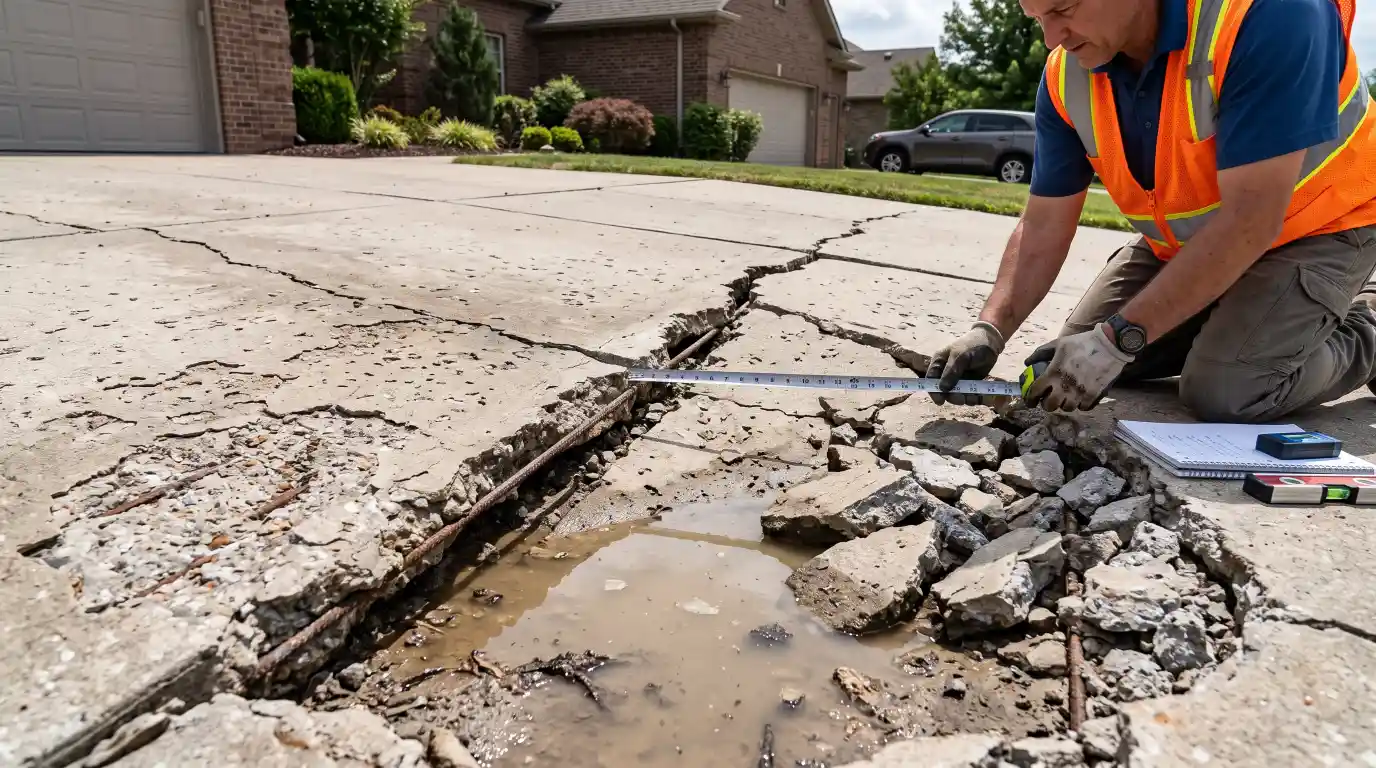
Not every concrete surface is suitable for an asphalt overlay, especially if the existing concrete has serious structural damage.
Large Cracks or Broken Concrete
Wide or deep cracks are a sign of serious structural problems underneath. Asphalt laid over these areas will almost always crack again in the same spots within a short period of time. Filling a small hairline crack is one thing, but trying to cover up broken or heavily fractured concrete just delays a bigger problem instead of fixing it.
Uneven or Sunken Slabs
If sections of the concrete have sunk or shifted unevenly, the ground underneath is likely unstable. Asphalt cannot fix this kind of movement, and the same dips and bumps will eventually show through the new surface. This usually means the soil or base beneath the concrete has settled or eroded, which is a problem an overlay simply cannot correct.
Drainage Problems
If water already pools or drains poorly on the existing concrete, adding asphalt on top will not solve the issue. In many cases, it can make drainage problems worse by changing the surface height and slope. Standing water is especially damaging to asphalt over time, since it can seep into small cracks and weaken the surface from within.
Weak or Unstable Base
Concrete that feels soft, hollow, or crumbly in places usually means the base underneath has failed. Asphalt needs a firm foundation, and a weak base will lead to fast failure no matter how well the asphalt itself is installed. A contractor can usually detect this during an inspection by tapping or checking for movement in the slab.
Severe Spalling or Surface Damage
Spalling happens when the top layer of concrete flakes, chips, or crumbles away. When this damage is widespread, the concrete no longer offers a solid enough surface for asphalt to bond to properly. Trying to overlay heavily spalled concrete usually results in an uneven surface that fails much faster than expected.
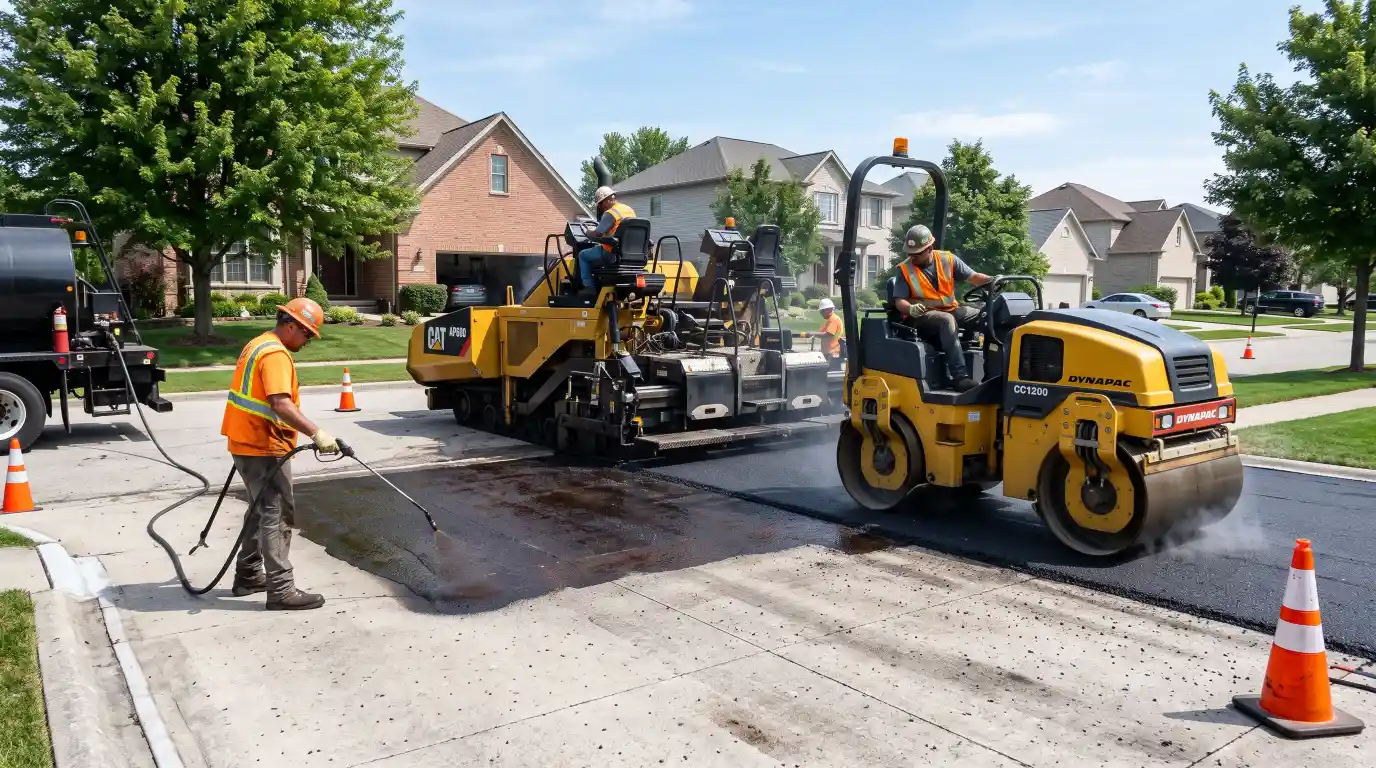
Step-by-Step: How Asphalt Is Installed Over Concrete
Installing asphalt over concrete requires careful preparation and the right techniques to create a durable, long-lasting surface.
Inspect the Existing Concrete
A contractor starts by checking for cracks, sunken areas, drainage issues, and overall stability. This inspection determines whether an overlay is actually a smart choice for that specific surface, or whether the damage runs too deep for asphalt to be a lasting fix.
Clean the Surface
Dirt, oil stains, and loose debris are cleared away completely. A clean surface is necessary for the tack coat and asphalt to bond properly, since any leftover grime or buildup can prevent the two materials from sticking together the way they need to.
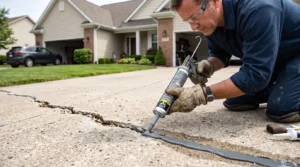
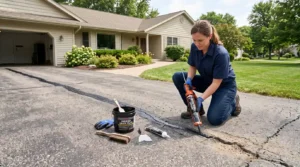
Repair Cracks and Damaged Areas
Any cracks or damaged spots are filled and repaired before installation begins. Skipping this step allows those weak points to affect the new asphalt layer above them, often leading to matching cracks showing up in the same locations later on.
Treat Expansion Joints
Expansion joints in the concrete need special attention, since they allow the slab to expand and contract with temperature changes. If these joints are not properly treated, they can cause cracks to form in the asphalt directly above them as the concrete shifts underneath.
Apply a Tack Coat
A thin layer of asphalt emulsion is sprayed over the concrete to help the new asphalt bond tightly to the surface below. This step is what actually allows the two very different materials to stick together instead of separating over time.
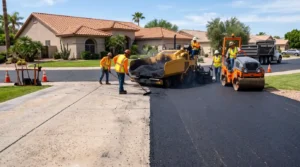
Lay the Asphalt Overlay
Hot asphalt is spread evenly across the prepared surface using specialized paving equipment, creating a smooth and consistent layer. Getting an even thickness across the entire area is important for both appearance and long term durability.
Compact the Asphalt
Heavy rollers compress the asphalt to remove air pockets and create a dense, strong surface that can handle everyday use and traffic. Proper compaction is one of the biggest factors in how long the finished overlay will actually last.
Allow Proper Curing Before Use
The new asphalt needs time to cool and harden before it can safely handle foot or vehicle traffic. Rushing this step can lead to dents, ruts, or an uneven finish, since the surface is still soft and easily damaged right after installation.
How Thick Should Asphalt Be Over Concrete?
For most home driveways, an asphalt overlay is typically installed between two and three inches thick. This provides enough strength for everyday vehicle use without adding unnecessary cost.
Parking lots that see more frequent traffic usually need a slightly thicker layer, often in the range of three to four inches, to handle the added wear and weight of regular use. Areas that deal with heavy vehicles, like delivery trucks or frequent commercial traffic, may need four inches or more to prevent premature cracking and rutting under the extra pressure.
Benefits of Putting Asphalt Over Concrete
Since there is no need to remove and haul away old concrete, an overlay typically costs less than a full replacement project. Overlays skip the demolition phase entirely, so the project can often be finished in a fraction of the time it would take to remove and repour concrete. A fresh layer of asphalt gives an instant visual upgrade, covering stains, discoloration, and minor surface wear from the old concrete.
Asphalt tends to provide a smoother ride compared to aging, cracked concrete, which makes a noticeable difference for driveways and parking lots. Keeping the existing concrete in place means less material ends up in a landfill, making an overlay a more eco-friendly option.
Disadvantages of Asphalt Over Concrete
Cracks in the old concrete can eventually work their way up through the new asphalt layer, a problem known as reflective cracking. This is one of the most common issues with overlays over time. If expansion joints are not treated properly, the movement of the concrete slab below can cause matching cracks to form in the asphalt directly above those joints.
Adding a new layer of asphalt raises the surface height, which can interfere with existing drainage patterns and cause water to pool in new areas. When preparation steps are skipped, an asphalt overlay can fail years earlier than expected, sometimes requiring repairs much sooner than a full concrete removal project would have needed.
How Long Does Asphalt Over Concrete Last?
Average lifespan A properly installed asphalt overlay typically lasts between eight and fifteen years, though this can vary depending on conditions and how well it is maintained.
Factors that affect longevity Climate, traffic volume, the condition of the original concrete, and installation quality all play a role in how long the overlay holds up. Areas with extreme temperature swings tend to see more cracking over time.
The importance of maintenance routine care, like sealcoating and prompt crack repair, can extend the lifespan of an asphalt overlay significantly. Skipping maintenance almost always leads to faster deterioration.
Asphalt Overlay vs. Removing Concrete First
|
Asphalt Overlay |
Full Concrete Removal |
|
Lower cost |
Higher cost |
|
Faster installation |
Longer project |
|
Less demolition |
Brand-new foundation |
|
Best for stable concrete |
Best for badly damaged concrete |
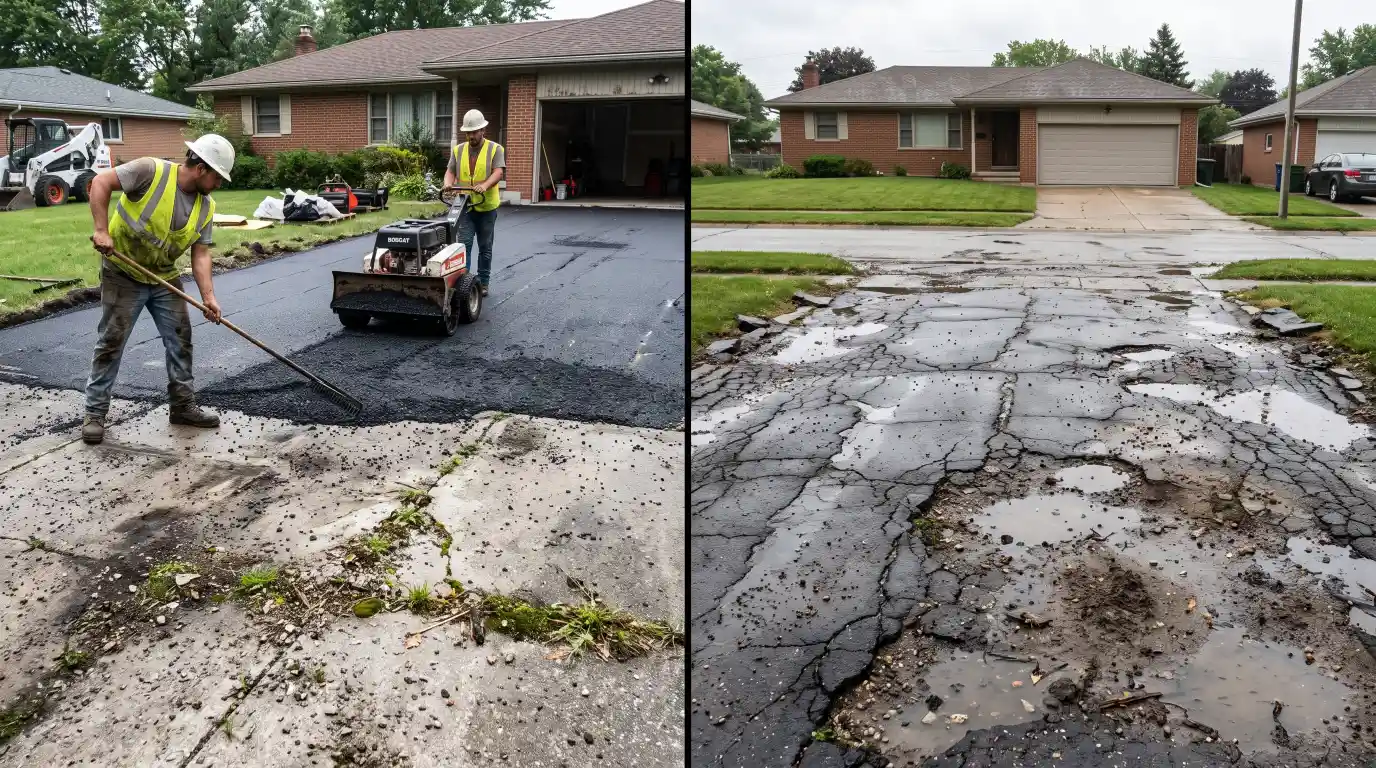
Common Mistakes That Cause Asphalt Over Concrete to Fail
Even a well-planned asphalt overlay can fail if key installation steps are skipped or done incorrectly.
Ignoring Existing Concrete Damage
Installing asphalt over cracked or damaged concrete without addressing the underlying issues almost guarantees those same problems will resurface. Covering up damage instead of repairing it might look fine at first, but the weak spots underneath don’t disappear, they just wait to show up again through the new surface.
Skipping Surface Preparation
Failing to properly clean and prepare the concrete before installation weakens the bond between the two materials, leading to early failure. Dirt, oil stains, and loose debris left on the surface get trapped underneath the asphalt, preventing the tack coat from creating a solid connection between the two layers.
Using Asphalt That’s Too Thin
An asphalt layer that is too thin cannot handle regular traffic and wear, which leads to cracking and rutting much sooner than expected. Cutting corners on thickness to save money upfront often ends up costing more in repairs or an early replacement down the line.
Poor Drainage Design
Not accounting for how water will flow off the new surface can result in pooling, erosion, and damage over time. Since adding asphalt raises the surface height, contractors need to plan the slope carefully so water continues draining the way it did before, rather than collecting in new low spots.
Not Treating Expansion Joints
Leaving expansion joints untreated allows the natural movement of the concrete below to crack the asphalt layer directly above it. These joints exist specifically to let the concrete shift with temperature changes, so ignoring them during installation almost guarantees matching cracks will eventually appear in the new asphalt.
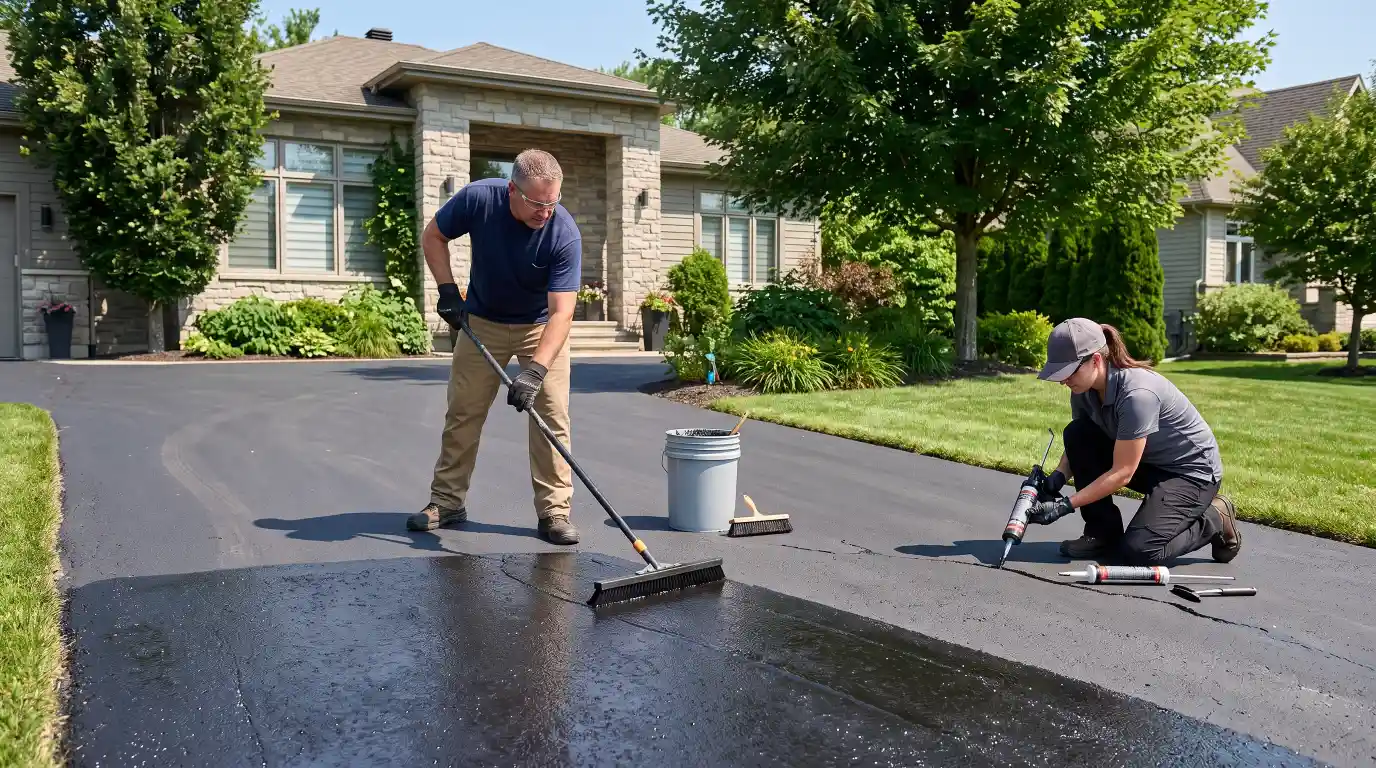
How to Maintain Asphalt Over Concrete
Applying a sealcoat every few years protects the asphalt from water, sun damage, and everyday wear, helping it last longer. Fixing small cracks as soon as they appear prevents water from getting underneath the surface and causing bigger problems later.
Making sure water drains away properly instead of pooling helps protect both the asphalt and the concrete underneath. Keeping heavy vehicles or equipment off any areas known to be weaker can help prevent premature cracking or sinking.
How Much Does It Cost to Put Asphalt Over Concrete?
Asphalt overlays typically cost less per square foot than full concrete removal and replacement, though exact pricing depends on your location and project size. Thickness of the asphalt, the condition of the existing concrete, the size of the area, and local labor costs all affect the final price. In most cases, an overlay costs noticeably less than removing and repouring concrete, since it skips demolition, hauling, and the cost of a brand new base.
When Should You Hire a Professional?
Driveway overlays Most homeowners benefit from hiring a professional for driveway overlays, since proper preparation and tack coat application require specific tools and experience. Parking lots Commercial parking lots deal with heavier traffic and larger surface areas, making professional installation important for long term durability.
Commercial properties businesses need a surface that can handle daily wear without frequent repairs, which makes professional grading, drainage planning, and installation especially important. When removal is the better option. If your concrete has significant damage, drainage problems, or structural issues, a professional can help you decide if full removal is actually the smarter long term choice instead of an overlay.
Ready to Upgrade Your Concrete in Phoenix, AZ?
Deciding between an asphalt overlay and a full concrete replacement is not always easy to figure out on your own, especially with Arizona’s heat and shifting soil putting extra stress on both materials.
The team at S&S Paving & Construction has been handling paving, earthwork, and concrete projects across Phoenix since 1984, and we can take a close look at your driveway or parking lot to tell you honestly which option makes the most sense. Contact us today for a free estimate and get a straight answer on whether your concrete is ready for an asphalt overlay.
Conclusion
Putting asphalt over concrete can be a smart, cost effective solution, but only when the existing concrete is in good shape. A stable, mostly level slab with minor surface cracks makes an excellent base for a fresh asphalt overlay, saving both time and money compared to a full replacement.
Success really comes down to two things: the condition of the concrete underneath and how carefully the installation is done. Skipping preparation steps or covering up serious damage almost always leads to problems showing up again sooner than expected.
Before deciding between an overlay and full replacement, it is worth having your concrete professionally evaluated. A qualified contractor can tell you honestly whether your surface is a good candidate for asphalt, helping you avoid a costly mistake and get a driveway or parking lot that actually lasts.
Frequently Asked Questions
Can asphalt stick directly to concrete?
Not on its own. Concrete has a smooth, dense surface that asphalt cannot grip the way it grips gravel or dirt, so a tack coat needs to be applied first. This thin adhesive layer creates a strong bond between the two materials and keeps the asphalt from shifting or peeling away once it’s down.
Will cracks in concrete show through asphalt?
Yes, this can happen over time through a process called reflective cracking. As the concrete slab underneath naturally shifts or moves with temperature changes, that movement can travel up through the new asphalt layer and create a matching crack on the surface. This is especially likely if the original cracks were not properly filled and repaired before installation.
How thick should asphalt be over concrete?
Most residential driveways only need about two to three inches of asphalt, since they mainly deal with car and light foot traffic. Commercial parking lots usually call for a slightly thicker layer, often three to four inches, to handle more frequent use. Areas that see heavy vehicles, like delivery trucks, may need four inches or more to prevent early cracking and rutting.
Is asphalt over concrete cheaper than replacing the concrete?
Yes, in most cases an asphalt overlay costs noticeably less than tearing out and repouring concrete. A full replacement involves demolition, hauling away old material, and pouring a brand new foundation, all of which add significant labor and cost. An overlay skips these steps entirely by using the existing concrete as its base.
How long does an asphalt overlay last?
A properly installed overlay typically lasts between eight and fifteen years, though the exact lifespan depends on a few factors. Climate plays a big role, since extreme heat or repeated freezing and thawing can speed up wear. Traffic volume and how well the surface is maintained over time also make a real difference in how long it holds up.
Can you asphalt over a cracked concrete driveway?
It depends on how severe the cracking is. Minor hairline cracks can usually be filled and repaired before installation without causing problems for the asphalt layer above. Large, deep, or widespread cracks usually point to bigger structural issues underneath that an overlay cannot fix, and in those cases the concrete typically needs to be removed instead.
