



Construction management is one of the most important parts of any building project. Yet it is also one of the most overlooked. Many project owners focus on design, materials, and contractors but give little thought to who is actually managing the process from start to finish. That is where things go wrong.
Without proper construction management in Phoenix, AZ, even well-planned projects face delays, budget overruns, quality issues, and safety risks. With the right management in place, projects run smoother, cost less, and get delivered on time. This guide explains exactly why construction management is important, what it involves, and what every project owner in Phoenix needs to know before breaking ground.
What Is Construction Management?
Construction management is the process of planning, coordinating, and overseeing a building project from start to finish. It covers every aspect of the build including scheduling, budgeting, team coordination, quality control, and safety compliance.
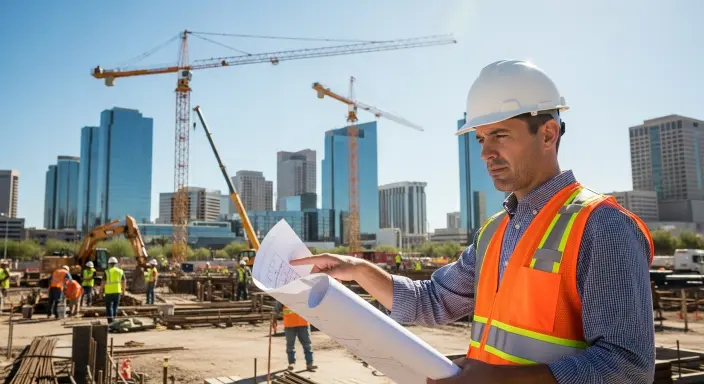
A construction manager acts as the central point of control. They work with the project owner, architects, engineers, contractors, and subcontractors to make sure every part of the project moves forward in the right order, at the right pace, and within the agreed budget. The goal is simple: deliver a completed project on time, within budget, and to the standard the client expects.
Construction Management vs Project Management
These two terms are often used interchangeably but they are not the same thing. Understanding the difference helps you know exactly what kind of support your project needs.
Project management
It covers the entire lifecycle of a project from the initial concept and feasibility stage right through to final handover. A project manager deals with strategy, stakeholder relationships, contracts, and overall delivery. They are focused on the big picture.
Construction management
It is more specific and It focuses on the actual build phase and everything that happens on and around the construction site. A construction manager deals with contractors, materials, schedules, inspections, and day to day site issues. They are focused on execution.
Think of it this way. The project manager decides what needs to be built and by when. The construction manager makes sure it actually gets built that way. On large and complex projects, both roles exist at the same time and work closely together. On smaller projects, one experienced person may handle both responsibilities.
What Does a Construction Manager Do?
A construction manager is responsible for everything that happens on a building project from the planning stage through to final handover. They are the person who keeps all the moving parts organized, all the teams aligned, and all the work moving forward in the right direction.
Planning and Scheduling
Before work begins, the construction manager builds a detailed project plan. This includes mapping out every task, setting deadlines, and sequencing work so each phase flows smoothly into the next. A well built schedule keeps everyone clear on what needs to happen and when.
Budget and Cost Control
The construction manager tracks every expense, manages payment schedules, and catches overspending before it becomes a serious problem. They also handle procurement and negotiate with suppliers to make sure materials and labor are sourced at the right price.
Team Coordination
A building project involves many different people working at the same time. The construction manager keeps architects, engineers, contractors, and subcontractors aligned, ensures information flows correctly between them, and steps in quickly when communication breaks down.
Quality and Safety Oversight
Regular inspections are carried out throughout the build to make sure all work meets the required standard and complies with building codes. Safety protocols are enforced on site at all times. Quality and safety are not optional extras. They are core responsibilities.
Risk Management
The construction manager identifies potential risks early, develops contingency plans, and monitors for emerging problems throughout the build so they can be resolved quickly before they damage the timeline or budget.
Why Construction Management Is Important for Building Projects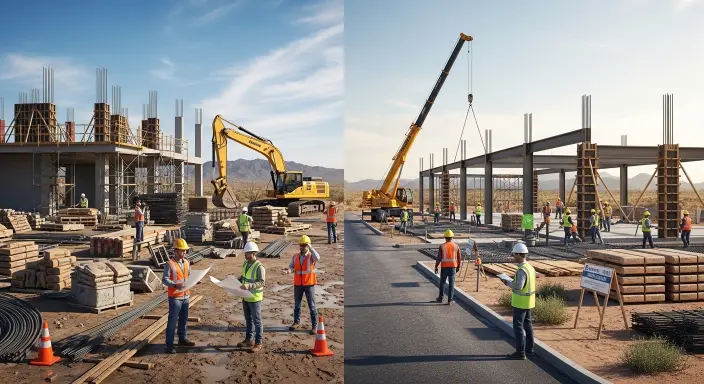
This is the core of it. Here are the seven reasons why construction management is not optional on any serious building projects.
Keeps Projects on Time
Time is one of the most expensive things on a construction project. Every day a project runs over schedule costs money in extended labor, equipment hire, and financing costs. Construction managers build detailed schedules, monitor progress daily, and take action the moment something starts to fall behind.
Without a construction manager in place, delays tend to compound. One trade runs late, which pushes the next trade back, which causes a knock on effect that can add weeks or months to a project timeline.
Controls Costs and Prevents Budget Overruns
Budget overruns are one of the most common reasons building projects fail or cause serious disputes between clients and contractors. A construction manager tracks every penny spent against the original budget, identifies where money is being wasted, and makes adjustments before small overspends become major problems.
They also manage procurement, negotiate with suppliers, and ensure that materials and labor are sourced at the right price without compromising quality.
Improves Communication Between Teams
A construction site is a complex environment with many different teams working simultaneously. Architects are making design decisions. Engineers are solving structural problems. Contractors are executing the work. Suppliers are delivering materials. Without someone managing the flow of information between all of these groups, critical details get missed.
The construction manager acts as the central communication hub. They ensure that everyone has the information they need, decisions are made quickly, and nothing falls through the cracks.
Ensures Quality Standards
A building that looks finished is not the same as a building that is built properly. Poor workmanship that is not caught early can lead to structural problems, safety hazards, and expensive repairs down the line. Construction managers conduct regular quality inspections throughout the build, check that work meets design specifications, and ensure compliance with all relevant building codes and standards.
Reduces Risks and Problems
Every project faces unexpected challenges. The difference between a project that handles those challenges smoothly and one that gets derailed by them is almost always the quality of the management in place. Construction managers identify potential risks during the planning stage, develop contingency plans, and monitor for emerging problems throughout the build so they can be addressed before they escalate.
Enhances Safety on Site
Construction sites are among the most hazardous working environments. Falls, equipment accidents, electrical hazards, and structural failures can all cause serious injury or death. Construction managers are responsible for implementing and enforcing safety protocols, conducting regular safety inspections, and fostering a culture where every worker on site takes safety seriously. This is both a legal requirement and a moral one.
Optimizes Resource Management
Materials, labor, and equipment all cost money. Poor resource management leads to materials being ordered too early and sitting unused, workers standing idle waiting for other trades to finish, and equipment being hired for longer than necessary. A good construction manager plans resource allocation carefully so that everything arrives when it is needed and nothing is wasted.
The 5 Key Phases of Construction Management
Construction management does not start when the first worker arrives on site. It begins at the very start of the project and continues right through to handover.
Initiation (Project Idea)
This is where the project begins. The owner defines what they want to build, sets initial budget expectations, and identifies the key people who will be involved. The construction manager may be brought in at this early stage to help assess feasibility and provide input on realistic timelines and costs.
Planning and Design
This phase involves developing the detailed project plan. Schedules are built, budgets are set, risks are assessed, and the design is reviewed for constructability. The construction manager works closely with architects and engineers here to make sure the design can actually be built efficiently and within budget.
Pre-Construction
Before work starts on site, a significant amount of preparation takes place. Permits are obtained, contractors are selected and hired, contracts are reviewed and signed, and procurement plans are put in place. Getting this phase right sets the entire project up for success.
Construction Execution
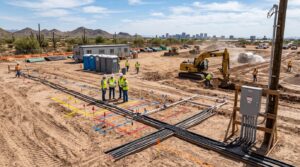
This is the main build phase. The construction manager is on site every day monitoring progress, coordinating teams, managing costs, conducting inspections, and solving problems as they arise. This is where the bulk of the management work happens.
Project Closeout
Once the build is complete, the construction manager oversees final inspections, ensures all outstanding work is finished, collects all necessary documentation, and hands the completed project over to the owner. A thorough closeout process ensures there are no loose ends left behind.
Benefits of Effective Construction Management
When construction management is done well, the results speak for themselves. Here is what good management delivers on every project.
- Faster project completion: Tight scheduling, coordinated teams, and quick problem solving keep the project moving without unnecessary delays.
- Reduced costs: Better procurement, less waste, early identification of overspending, and smarter resource allocation all add up to significant cost savings across the project.
- Better quality outcomes: Regular inspections and strict adherence to standards mean the finished building is built properly, not just built quickly.
- Fewer delays and disputes: Clear communication and well defined responsibilities reduce the misunderstandings and conflicts that cause projects to stall.
- Improved safety: Enforced safety protocols and a strong safety culture on site protect workers and keep the project legally compliant throughout.
- Improved client satisfaction: When a project is delivered on time, within budget, and to the agreed standard, the client gets exactly what they paid for. That is the ultimate measure of successful construction management.
What Happens Without Proper Construction Management?
The consequences of poor or absent construction management are well documented across the industry. Many project owners only discover how important it was after things have already gone wrong. Here is what typically happens when proper management is missing from a building project.
Delays
Without someone monitoring progress and holding teams accountable, work falls behind schedule. One trade runs late, which pushes the next trade back, which creates a knock on effect across the entire project. What started as a minor delay quickly becomes weeks or months of lost time. And on a construction project, lost time always costs money.
Budget overruns
When spending is not tracked carefully and waste goes unchecked, costs spiral fast. Materials get over ordered, labor gets misallocated, and small financial leaks add up into significant losses. By the time the problem becomes obvious it is usually too late to bring it back under control without serious financial consequences for everyone involved.
Poor quality work
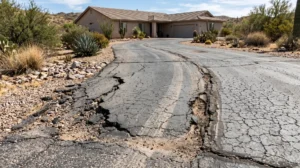
Without regular inspections and quality checks in place, substandard work gets approved and built upon. Structural issues, poor finishes, and non-compliant installations all get buried under the next phase of work. Problems that could have been identified and fixed cheaply early in the project become extremely expensive and disruptive to deal with once the building is further along or fully completed.
Safety incidents
When safety protocols are not implemented and enforced consistently, the risk of accidents on site increases significantly. Construction sites are already hazardous environments. Without active safety management, workers are put at serious risk of injury. The project owner also faces significant legal liability if an incident occurs and proper procedures were not in place.
Miscommunication
Without a central point of coordination, teams work in isolation and make assumptions rather than asking questions. Architects, engineers, and contractors end up operating from different information. The gaps between them create errors, rework, and conflict that slow the project down and drive costs up further.
Disputes and legal issues
Poor management creates the perfect conditions for conflict. When timelines slip, costs overrun, and quality falls short of expectations, disputes between clients, contractors, and subcontractors almost always follow. These disputes are stressful, time consuming, and expensive to resolve. In some cases they end up in court.
The cost of not having proper construction management almost always exceeds the cost of having it.
Modern Tools Used in Construction Management
Construction management has changed significantly over the last decade. The right tools make a real difference to how efficiently a project runs. Here are the main ones used by construction managers today.
- Project Management Software Platforms like Procore, builder trend and PlanGrid allow construction managers to track progress, manage documents, communicate with teams, and monitor budgets all in one place.
- Building Information Modeling (BIM) BIM creates a detailed digital model of the building before construction begins. It allows teams to identify clashes between different systems, test design decisions, and plan the build more accurately before anyone sets foot on site.
- Scheduling Tools Tools like Microsoft Project and Primavera allow construction managers to build detailed project schedules, track milestones, and adjust timelines when conditions change.
- Cost Estimation Software Software like Sage Estimating and Construct helps construction managers build accurate budgets, track spending against estimates, and forecast costs throughout the project.
Common Challenges in Construction Management
Even with experienced management in place, construction projects face real challenges. Labor shortages make it difficult to staff projects adequately, particularly for specialist trades. Supply chain disruptions can delay the delivery of critical materials and push timelines back. Budget constraints require careful prioritization and creative problem solving to keep projects viable. And regulatory compliance is an ongoing challenge as building codes and safety regulations continue to evolve. Good construction managers anticipate these challenges and plan for them. That is what separates well managed projects from struggling ones.
Future Trends in Construction Management
The construction industry is changing fast. Here are the key trends shaping how projects are managed today and in the years ahead.
Smart technology integration
Drones, sensors, and real time monitoring tools are giving construction managers better visibility of what is happening on site at every stage. Faster data means faster and better decisions.
Sustainable building practices
Clients, governments, and regulators are all demanding greener outcomes. Reducing waste, lowering carbon emissions, and sourcing sustainable materials are becoming standard requirements on most projects rather than optional extras.
Automation and AI
AI tools can predict delays, identify cost risks early, and optimize scheduling far faster than manual methods. Robotics are also beginning to handle repetitive and hazardous tasks on site, improving both efficiency and safety.
Modular and offsite construction
More building components are being manufactured offsite and assembled on site. This reduces weather related delays, improves quality consistency, and speeds up the overall build timeline considerably.
Digital twins
A digital twin is a live digital replica of a building that updates in real time as construction progresses. It allows construction managers to monitor progress remotely, test decisions before implementing them, and catch problems early without always needing to be physically present on site.
Who Needs Construction Management?
Homeowners building houses benefit from construction management because it protects them from cost overruns, poor workmanship, and unreliable contractors. Commercial developers need it to manage the complexity of large scale builds with multiple stakeholders and tight financial targets. Contractors and builders use construction management principles to run their own operations more efficiently. And government infrastructure projects rely on it to ensure public money is spent responsibly and projects are delivered as promised.
Ready to Start Your Construction Project in Phoenix, AZ?
Don’t risk delays, budget overruns, or costly mistakes. Let experienced professionals handle your project from planning to completion. At S&S Paving & Construction, we ensure your project stays on time, on budget, and built to last. Call now for a free consultation and get your project started the right way.
Conclusion
Construction management is not a luxury. It is a necessity for any building project that needs to be delivered on time, within budget, and to a standard that lasts.
It brings structure to a complex process, protects the client’s investment, keeps teams working together, and ensures that problems are dealt with before they derail the project entirely. Whether you are building a single home or a large commercial development, the principles of good construction management are what separate successful projects from costly failures.
If your project does not have proper management in place, it is not a question of whether something will go wrong. It is a question of when, and how badly. The smartest decision you can make before any building project begins is to get the right management team in place from day one.
Frequently Asked Questions
Is construction management necessary for small projects?
Yes. The principles of scheduling, budgeting, and coordination apply regardless of project size. Without them, even a small renovation can run over budget or take far longer than expected. The level of management required may be smaller but the need for organized oversight does not disappear.
Can a project succeed without a construction manager?
Some simple projects do succeed without one, usually when the owner or main contractor has significant experience. But on any project of real complexity, the absence of proper construction management significantly increases the risk of delays, cost overruns, and disputes. Good management almost always pays for itself.
What skills does a construction manager need?
A good construction manager needs strong organizational skills, clear communication, practical problem solving ability, technical knowledge of construction methods and regulations, and strong leadership. These skills combined are what keep a project running smoothly from start to finish.
How does construction management reduce costs?
It reduces costs through detailed budget planning, regular spending monitoring, efficient resource allocation, and smart procurement. Catching quality issues early also prevents expensive rework later in the project when fixes cost significantly more.
What are the main phases of construction management?
The five main phases are initiation, planning and design, pre-construction, construction execution, and project closeout. Each phase builds on the last and proper management is required at every stage for the project to succeed.
