

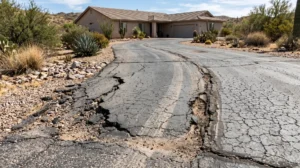

Generally, asphalt pavement lasts between 15 and 25 years, depending on the type of surface and how well it’s maintained. Residential driveways typically last 15 to 20 years, commercial parking lots endure 10 to 15 years, and roads or highways can exceed 20 years with proper care. However, the actual lifespan depends on numerous factors including traffic load, climate conditions, soil quality, drainage, construction quality, and ongoing maintenance practices.
Understanding these variables helps property owners set realistic expectations and budget accordingly for their asphalt investments. In this blog, we’ll explore the key factors affecting asphalt longevity, common causes of deterioration, maintenance strategies, and how to know when it’s time for replacement—especially for property owners in Phoenix, AZ, where climate plays a major role.
Factors That Affect Asphalt Lifespan
The longevity of asphalt pavement isn’t determined by a single factor but rather by a complex interplay of conditions and circumstances. Understanding these factors helps property owners set realistic expectations and make informed decisions about maintenance and replacement schedules.
Traffic Load and Usage Patterns
One of the most significant determinants of asphalt durability is the amount and type of traffic it bears. A residential driveway that sees two cars daily will naturally last much longer than a commercial parking lot serving hundreds of vehicles or a highway bearing constant heavy truck traffic. Heavy loads compress and stress the asphalt surface, accelerating wear patterns and potentially causing structural damage to the underlying base layers.
Commercial and industrial pavements face particularly challenging conditions. Delivery trucks, heavy machinery, and constant vehicle movement create stress points that residential surfaces never experience. Areas where vehicles regularly turn, brake, or accelerate experience accelerated wear due to the shearing forces applied to the pavement surface. Understanding your pavement’s intended use helps determine the appropriate asphalt thickness and construction specifications needed for optimal longevity.
Climate and Weather Conditions
Weather conditions play a critical role in pavement longevity. Asphalt is particularly vulnerable to temperature extremes and moisture. In regions with hot climates, prolonged exposure to intense sunlight and high temperatures can cause the asphalt binder to oxidize and become brittle, leading to surface cracking and traveling. The pavement surface may also soften during extreme heat, making it susceptible to deformation from vehicle traffic.
Conversely, cold climates present their own challenges. Freeze-thaw cycles are particularly destructive to asphalt surfaces. When water penetrates small cracks and freezes, it expands with tremendous force, widening existing cracks and creating new ones. Repeated freezing and thawing throughout winter months can rapidly deteriorate pavement that might otherwise remain intact for years. Snow removal operations, particularly when metal plow blades scrape the surface, can also accelerate wear. Rain and moisture, regardless of temperature, contribute to deterioration by infiltrating the pavement structure and weakening the base layers beneath.
Soil and Drainage Conditions
The foundation upon which asphalt is laid significantly impacts its lifespan. A properly prepared and compacted subgrade provides stable support for the pavement structure above. Poor soil conditions, including expansive clays or inadequately compacted fill, can lead to settling, shifting, and eventual pavement failure regardless of the quality of the asphalt itself.
Drainage is equally critical to asphalt longevity. Water is asphalt’s primary enemy, and proper drainage systems ensure that moisture moves away from the pavement rather than pooling on or beneath it. Poor drainage allows water to infiltrate the base and subgrade layers, weakening their load-bearing capacity. This water intrusion can cause the pavement to settle unevenly, creating depressions where water pools, which further accelerates deterioration. Standing water also increases the likelihood of damage during freeze-thaw cycles in cold climates.
Common Causes of Asphalt Deterioration
Even well-constructed asphalt eventually shows signs of wear and damage. Recognizing these common deterioration patterns helps property owners address problems before they become severe.
Cracks and Alligator Cracking
Cracks are among the earliest signs of asphalt deterioration. They typically begin as narrow linear cracks that follow various patterns depending on their cause. Temperature-related cracks often run transversely across the pavement, while those caused by poor joints or construction issues may follow longitudinal patterns.
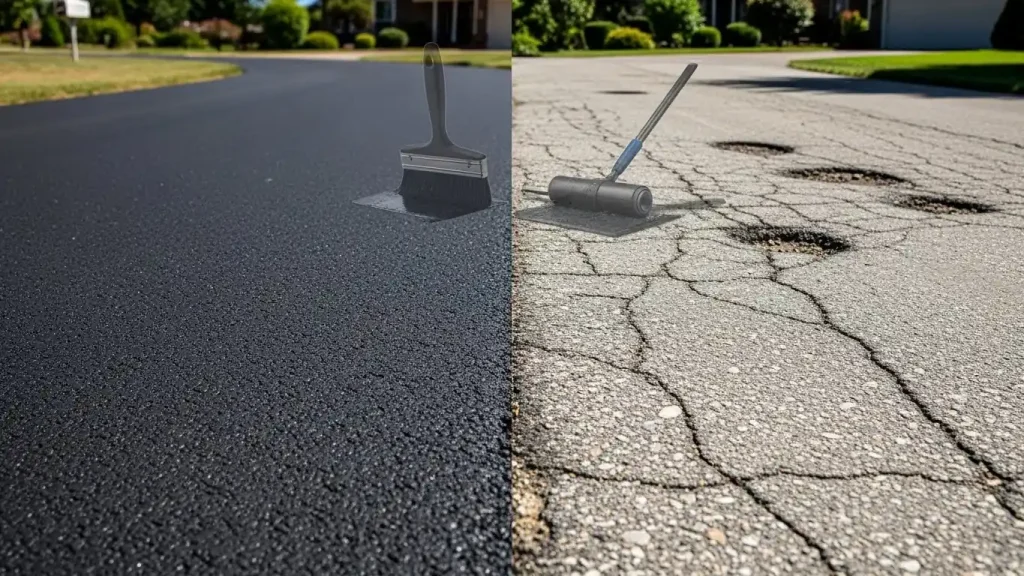
Alligator cracking, named for its resemblance to reptile skin, represents a more advanced stage of deterioration. This interconnected pattern of cracks typically indicates that the pavement structure has been compromised, often due to repeated traffic loading on a weakened base. Alligator cracking usually appears in areas that bear the most traffic and signals that major repairs or replacement may soon be necessary.
Potholes
Potholes form when water infiltrates cracks in the pavement, weakening the underlying layers. Traffic then dislodges the weakened pavement, creating a depression that rapidly grows larger as vehicles impact the edges. Potholes are not only unsightly but also hazardous to vehicles and pedestrians. They indicate that water has penetrated deep into the pavement structure, suggesting more widespread damage may exist beneath the surface.
Wear and Tear / Aging
Natural aging processes affect all asphalt surfaces. Over time, exposure to sunlight causes the asphalt binder to oxidize, becoming brittle and less flexible. This oxidation process, combined with the loss of lighter oils in the asphalt cement, leads to traveling where aggregate particles begin separating from the surface. The pavement takes on a gray, faded appearance and develops a rough texture as the binder deteriorates.
Water Damage and Erosion
Beyond creating potholes and facilitating freeze-thaw damage, water causes numerous other problems for asphalt pavement. Edge raveling often occurs where water runs off the pavement, gradually washing away the edge material. Stripping occurs when water penetrates between the aggregate and asphalt binder, causing them to separate. This significantly weakens the pavement structure even when surface damage isn’t immediately visible.
How Maintenance Extends Asphalt Life
Proactive maintenance represents the single most cost-effective strategy for maximizing asphalt lifespan. Regular attention to minor issues prevents them from developing into major problems requiring expensive repairs or premature replacement.
Regular Sealcoating
Sealcoating provides a protective layer over the asphalt surface, shielding it from oxidation, water penetration, and harmful substances like oil and gasoline. This treatment typically should be applied every two to three years, depending on traffic levels and weather conditions. Sealcoating restores the pavement’s dark black appearance while filling minor surface voids and providing a slip-resistant texture. The modest investment in regular sealcoating can extend pavement life by several years.
Crack Filling and Patching
Addressing cracks promptly prevents water infiltration that leads to more serious damage. Small cracks can be filled with rubberized crack sealant, creating a waterproof barrier that prevents the crack from widening. Larger damaged areas require patching, where the deteriorated asphalt is removed and replaced with fresh material. Timely crack filling is remarkably cost-effective compared to allowing minor cracks to develop into potholes or larger failures.
Resurfacing and Timely Repairs
When the surface layer shows extensive wear but the underlying structure remains sound, resurfacing or overlay provides an economical alternative to complete replacement. This process involves applying a new layer of asphalt over the existing pavement, essentially giving it a fresh start. However, resurfacing only works when the base remains structurally sound. Attempting to overlay severely deteriorated pavement simply postpones inevitable failure.
Predictive Maintenance Programs
Rather than waiting for visible damage to appear, predictive maintenance programs use regular inspections and assessment tools to identify potential problems before they become apparent. This proactive approach allows maintenance to be scheduled strategically, often preventing expensive emergency repairs and extending overall pavement life significantly.
How to Evaluate the Age and Performance of Asphalt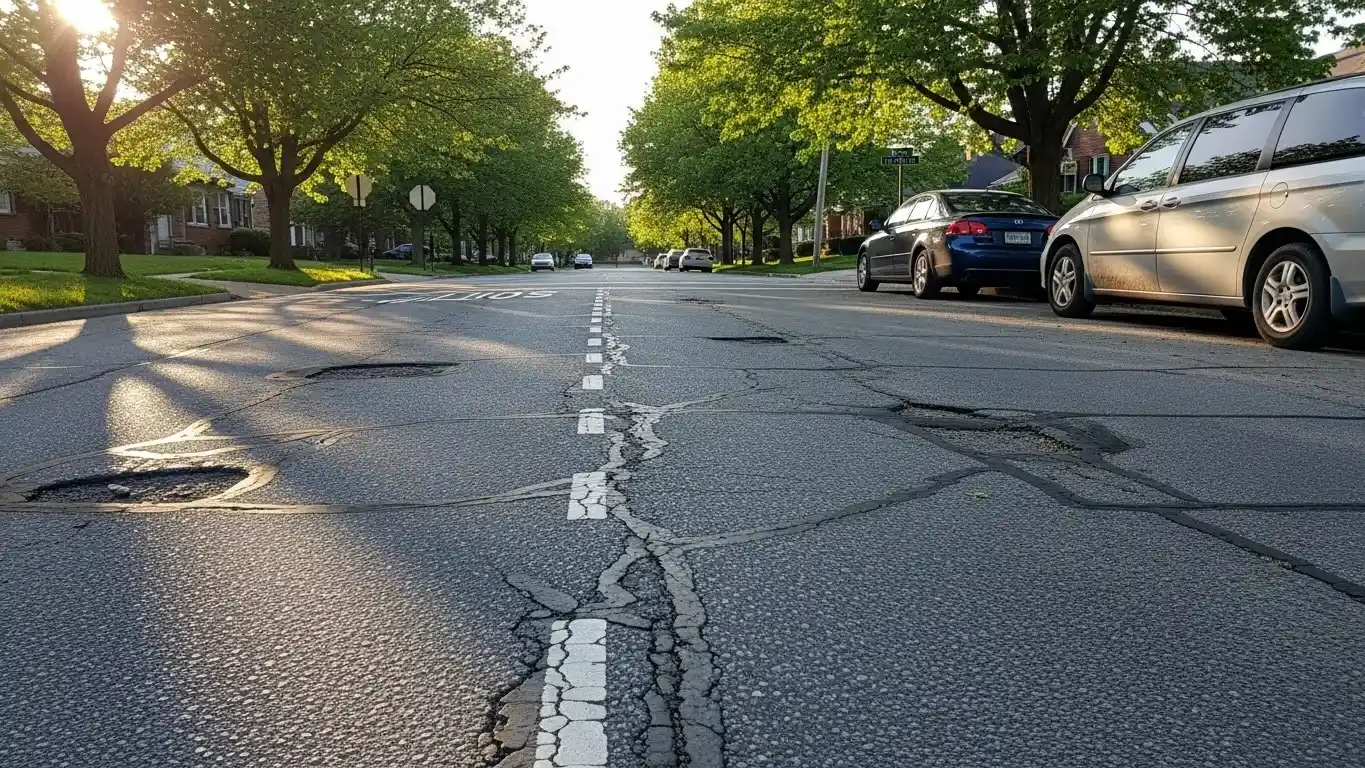
Understanding your pavement’s current condition helps you make informed decisions about maintenance timing and budget allocation.
Visual Inspection
Regular visual inspections provide valuable information about pavement condition. Look for cracks, potholes, raveling, discoloration, drainage issues, and uneven surfaces. Noting the location and extent of these problems helps prioritize maintenance efforts. Annual or semi-annual inspections allow you to track deterioration rates and plan accordingly.
Structural Integrity Assessment
Beyond surface conditions, evaluating structural integrity involves assessing whether the pavement deflects excessively under load, whether the base layers remain stable, and whether the subgrade provides adequate support. Professional assessments may use specialized equipment to measure pavement deflection and estimate remaining structural capacity.
Typical Asphalt Lifespan Estimates
While actual performance varies considerably based on the factors discussed earlier, general lifespan expectations help with planning and budgeting. Residential driveways typically last 15 to 20 years with proper maintenance. These surfaces experience relatively light traffic and can achieve the upper end of this range when properly cared for.
Commercial parking lots generally last 10 to 15 years. The increased traffic volume and heavier loads reduce expected lifespan compared to residential applications. However, well-maintained commercial pavements with appropriate thickness and base construction can reach or exceed these estimates.
Roads and highways, despite bearing the heaviest traffic loads, often last 20 years or more when properly designed, constructed, and maintained. The substantial investment in proper base preparation, adequate pavement thickness, and ongoing maintenance programs helps these high-traffic surfaces achieve impressive longevity.
These estimates assume regular maintenance including sealcoating, crack filling, and timely repairs. Neglected pavements may fail well before these timeframes, while exceptionally well-maintained surfaces can exceed them significantly.
Tips to Maximize Asphalt Lifespan
Property owners can take several proactive steps to ensure their asphalt pavement achieves maximum lifespan.
Build a Strong Base First
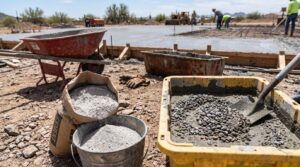
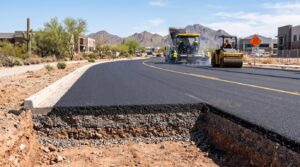
The base layers must be properly graded, compacted, and stabilized before asphalt placement. This represents the single most important factor in pavement longevity. Cutting corners during base preparation inevitably leads to premature pavement failure.
Engineer Perfect Drainage
Proper grading, adequate slope, and functional drainage systems protect both the asphalt surface and underlying base layers from water damage. Water is asphalt’s primary enemy, so ensuring it moves away from the pavement is essential.
Match Asphalt Thickness to Traffic
Residential driveways may perform adequately with two to three inches of asphalt over a proper base, while commercial applications often require four inches or more. Matching thickness to expected traffic loads prevents premature structural failure.
Keep the Surface Clean
Oil, gasoline, and other petroleum products can dissolve asphalt binder, creating soft spots and accelerating deterioration. Promptly cleaning spills and removing debris extends surface life and prevents staining.
Schedule Annual Inspections
Professional inspections may reveal problems not apparent to casual observation. Regular assessments allow you to identify and address minor problems before they become major issues.
Protect Asphalt During Initial Curing
Avoid heavy traffic and sharp turning movements during the first week after installation. The asphalt needs time to cool and harden before bearing normal loads, and this critical period sets the foundation for long-term performance.
When to Replace Your Asphalt
Despite best maintenance efforts, asphalt eventually reaches the end of its useful life. Recognizing when replacement becomes necessary prevents continued investment in a failing surface.
Warning Signs of End-of-Life Asphalt
Extensive cracking covering more than 30 percent of the surface indicates systemic failure. Numerous potholes requiring constant repair, widespread raveling and aggregate loss, and persistent drainage problems despite repair efforts all signal that replacement may be more economical than continued maintenance.
Structural Failures or Sinking Areas
These problems indicate that the base or subgrade has failed and cannot be addressed with surface treatments. Attempting to patch or overlay structurally failed pavement wastes money and provides only temporary relief. When repair costs approach or exceed 50 percent of replacement cost, full reconstruction typically makes better financial sense.
Choosing the Right Asphalt Contractor
The quality of installation dramatically affects pavement longevity, making contractor selection critically important.
Tips for Hiring Reliable Professionals
Verify licenses and insurance before signing any contracts. Check references from previous projects and ask to see completed work. Ensure contractors follow industry specifications for your application and obtain detailed written proposals specifying materials and methods.
Importance of High-Quality Installation
Contractors who cut corners on base preparation, compaction, or material quality deliver pavements that fail prematurely regardless of subsequent maintenance efforts. The initial installation provides the foundation for decades of service, making quality workmanship essential.
Benefits of Hiring Experts
Professional contractors understand pavement preservation and recommend cost-effective strategies for extending pavement life. They provide proper problem diagnosis, quality workmanship, and often warranties on completed work.
Understanding how long asphalt should last empowers property owners to make informed decisions about installation, maintenance, and replacement. Your pavement’s longevity depends on design quality, construction workmanship, environmental conditions, and ongoing maintenance. By investing in proper construction and proactive maintenance, you can maximize your asphalt pavement’s lifespan and ensure years of reliable service.
Get Professional Asphalt Services Today
SS Paving delivers professional asphalt paving services for both residential and commercial properties in Phoenix, AZ. Our experienced team ensures quality installation and maintenance that maximizes your pavement’s lifespan. With years of expertise in the industry, we provide durable solutions backed by reliable workmanship. Call us today or visit sspaving.com to request a free estimate.
Conclusion
Asphalt longevity depends on proper installation, environmental conditions, and consistent maintenance rather than chance alone. While typical lifespans range from 10 to 25 years, property owners who invest in quality construction and proactive maintenance consistently see their pavements exceed these estimates. By understanding deterioration factors and taking preventive action, Phoenix, AZ property owners can protect their investment and ensure long-lasting asphalt performance.
Frequently Asked Questions
How long does asphalt typically last?
Asphalt pavement usually lasts between 15 and 25 years. Residential driveways last 15–20 years, commercial parking lots 10–15 years, and roads or highways can exceed 20 years with proper maintenance.
What factors affect the lifespan of asphalt?
Traffic load, climate conditions, soil quality, drainage, construction quality, and ongoing maintenance all play a role in how long asphalt lasts. Heavy traffic, extreme temperatures, poor drainage, or a weak base can accelerate deterioration.
How can I extend the life of my asphalt pavement?
Regular maintenance is key. This includes sealcoating every 2–3 years, filling cracks promptly, patching damaged areas, keeping the surface clean, and scheduling annual inspections to address problems early.
When should asphalt be replaced instead of repaired?
Asphalt should be replaced when extensive cracking covers over 30% of the surface, potholes are constant, widespread raveling occurs, or structural failures and sinking areas appear that surface repairs cannot fix.
How do I choose a reliable asphalt contractor?
Look for licensed and insured contractors with positive references. Ensure they follow industry specifications, provide detailed proposals, and deliver high-quality base preparation and installation for long-lasting results.
