
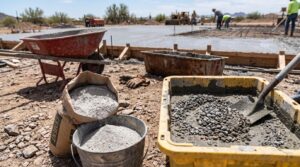
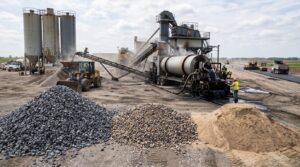
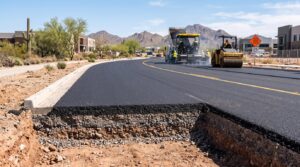
Slurry seal is a thin asphalt surface treatment made from asphalt emulsion, fine aggregate, water, and mineral filler. It helps protect existing pavement from moisture, oxidation, and surface wear. Contractors apply it to asphalt that is still structurally sound. The treatment improves surface texture and appearance, but it cannot repair deep cracks, potholes, or structural damage.
In Phoenix, AZ, intense sunlight, high temperatures, and seasonal rain can wear down asphalt surfaces. S&S Paving & Construction offers pavement maintenance services that help property owners address surface deterioration before more extensive repairs become necessary.
What Is Slurry Seal Made Of?
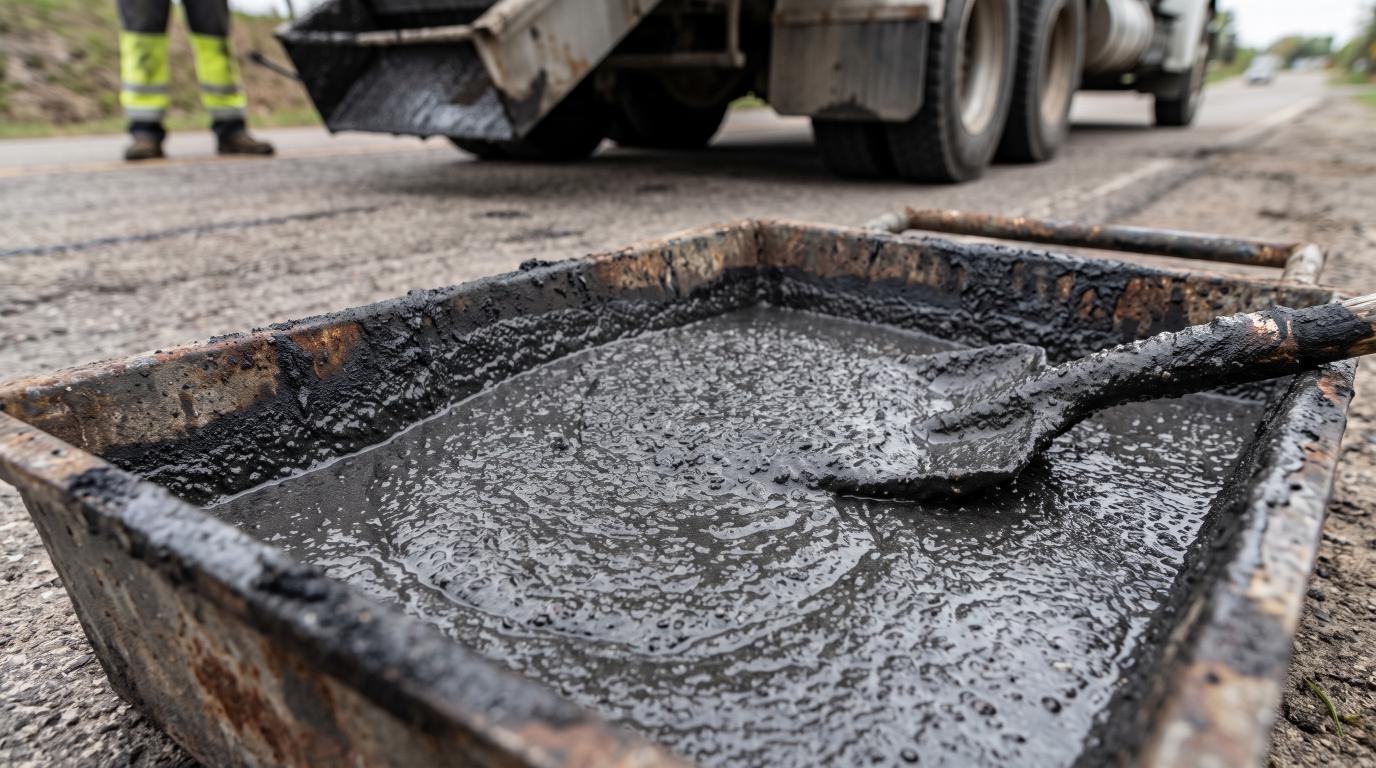
Slurry seal contains asphalt emulsion, fine aggregate, water, and sometimes mineral fillers or chemical additives. These materials are mixed in controlled proportions to form a spreadable surface treatment.
Asphalt Emulsion and Its Role in Binding the Mix
Asphalt emulsion is asphalt binder dispersed in water with an emulsifying agent. This allows contractors to apply the mixture without heating it like hot-mix asphalt. After application, the emulsion begins to break as the asphalt particles come together. As curing continues, the binder holds the aggregate in place and helps form a protective wearing surface. The type of emulsion affects mixing time, bonding, curing, and surface durability.
Fine Aggregate, Water, and Mineral Fillers
Fine aggregate gives slurry seal its strength against surface wear and provides texture for vehicle tires. Water helps the mixture flow through the equipment and spread evenly. Mineral fillers, such as Portland cement or limestone dust, can help control consistency and setting behavior. The aggregate must meet specified size and quality requirements. Poor-quality aggregate may break down under traffic or separate from the asphalt binder.
How Additives Affect Mixing and Setting
Additives help control how slurry seal behaves during mixing, spreading, and curing. For example, a set-control additive may provide more working time when the mixture begins setting too quickly. The correct amount depends on the emulsion, aggregate, temperature, and project specifications. Too much or too little can affect bonding and surface quality.
Can Recycled Asphalt Be Used in Slurry Seal?
Yes. Reclaimed asphalt pavement (RAP) can replace virgin aggregate in specially designed slurry seal mixtures. Mahdi Saghafi, Nader Tabatabaee, and Soheil Nazarian examined this approach in a 2019 study on slurry seals containing reclaimed asphalt pavement. Researchers from the University of Texas at El Paso and Sharif University of Technology found that RAP mixtures could meet performance requirements. Their tests also showed differences in curing and abrasion resistance. This means recycled materials require proper mix design rather than direct substitution without testing.
How Does Slurry Seal Work on Asphalt Pavement?
Slurry seal works by forming a thin protective layer over existing asphalt. The mixture covers small surface voids, limits moisture entry, and creates a new textured wearing surface.
How Slurry Seal Protects Against Water and Oxidation
As asphalt ages, its binder becomes harder and less flexible through oxidation. Small surface openings can also allow water to enter the pavement. Slurry seal covers these openings and reduces direct exposure to air, sunlight, and moisture. However, it does not permanently seal moving cracks. Larger cracks must be treated before application to reduce the risk of water entering the pavement beneath the new surface.
How It Restores Surface Texture and Traction
Vehicle traffic gradually wears and polishes asphalt aggregate. This can reduce the surface texture needed for tire grip. A slurry seal adds fresh aggregate to the pavement surface, helping restore texture and friction. Coarser mixtures generally provide a more noticeable texture than fine mixtures. However, the final friction level depends on aggregate properties, application quality, and traffic conditions.
What Are the Different Types of Slurry Seal?
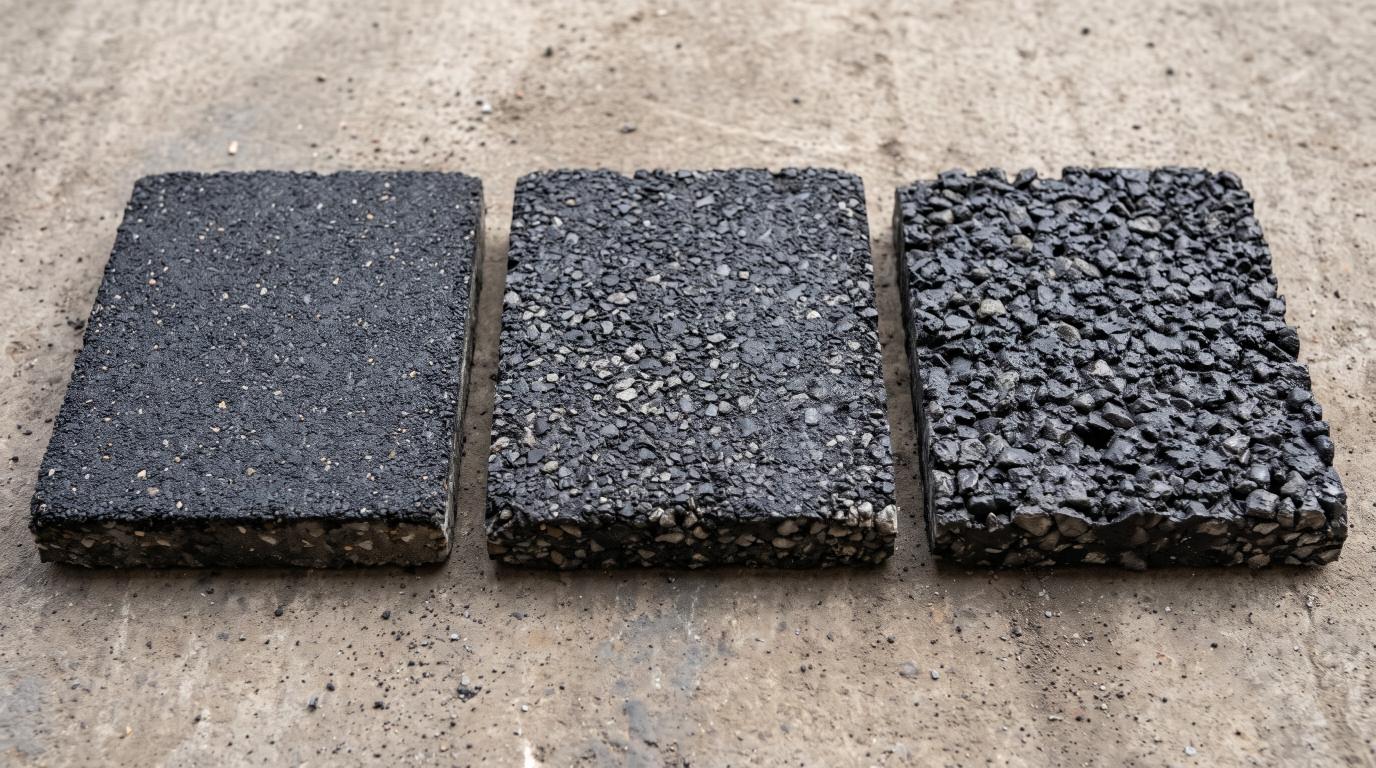
Slurry seal has three main types: Type I, Type II, and Type III. Each uses a different aggregate gradation, affecting surface texture and suitability for different pavement conditions.
Type I Slurry Seal for Fine Surface Treatment
Type I uses fine aggregate to create a relatively smooth surface. It is commonly used on bicycle paths, courts, and lightly traveled pavement with minor surface wear.
Type II Slurry Seal for General Pavement Maintenance
Type II uses medium-sized aggregate and is commonly selected for streets and parking areas. It helps address oxidation, minor raveling, and surface wear on structurally sound pavement.
Type III Slurry Seal for Coarser Surface Texture
Type III uses coarser aggregate to create a more textured surface. It may be suitable for higher-traffic roads, but it cannot strengthen a damaged pavement base or replace structural repairs.
Table 1: Comparison of Slurry Seal Types
The table summarizes the typical uses and pavement conditions for each type.
|
Type |
Aggregate Gradation | Typical Use | Suitable Pavement Condition |
| Type I | Fine, about 1/8 inch | Bicycle paths, courts, light-traffic areas |
Minor wear and small surface voids |
|
Type II |
Medium, about 1/4 inch | Streets and parking areas | Oxidation and minor raveling |
| Type III | Coarse, about 3/8 inch | Truck routes and higher-traffic roads |
Sound pavement needing more texture |
What Are the Benefits of Slurry Seal?
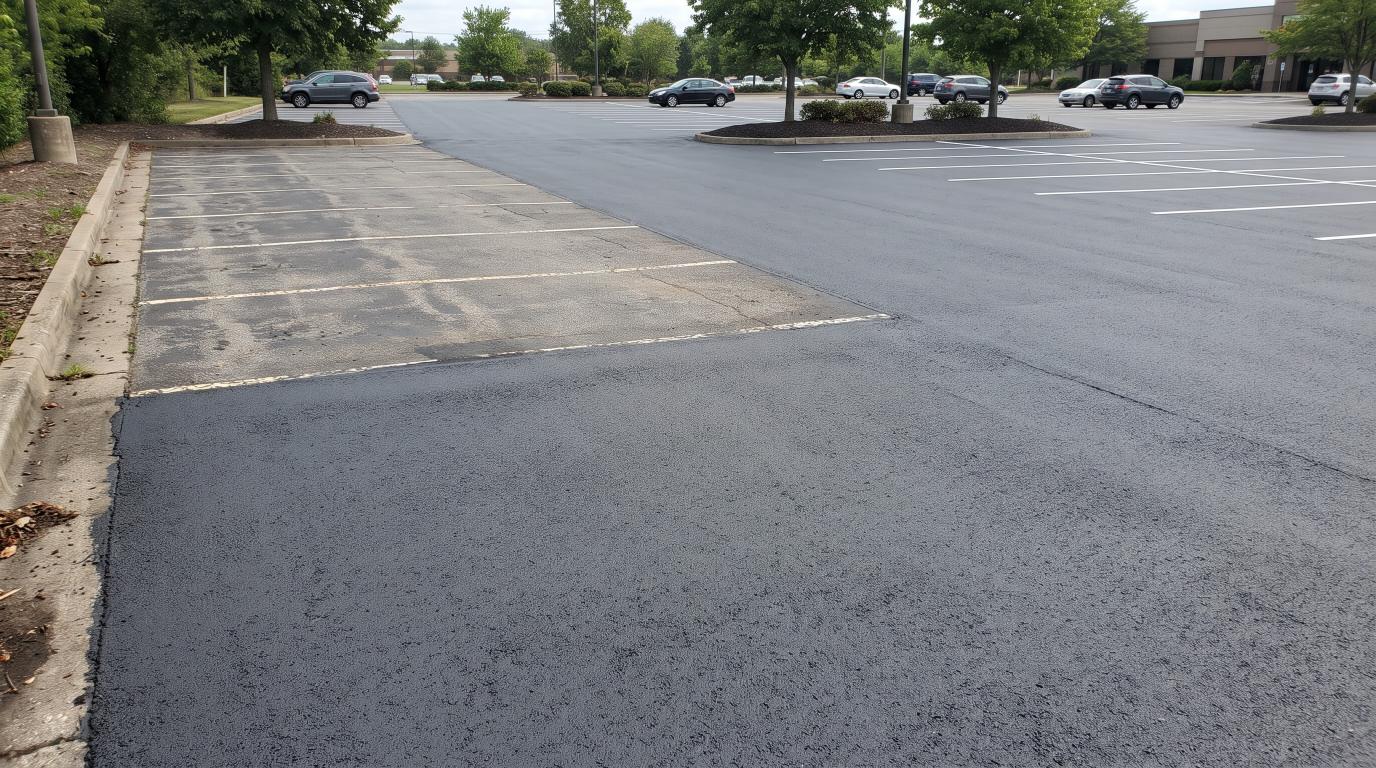
The main benefits of slurry seal are surface protection, improved pavement texture, and preventive maintenance. These benefits are greatest when the treatment is applied before serious damage develops.
Helps Slow Surface Deterioration
Asphalt gradually loses fine surface particles through weather exposure and vehicle traffic. This process is called raveling. Slurry seal provides a new wearing layer that helps hold the surface together and reduces further moisture exposure. It can slow deterioration caused by minor surface wear. However, it cannot stop cracking or movement caused by a weak pavement foundation.
Improves Pavement Texture and Appearance
Slurry seal creates a darker, more uniform surface that can improve the appearance of aging asphalt. It also restores texture where traffic has polished or worn the pavement. For commercial parking areas, a consistent surface may make worn pavement look more maintained. However, appearance alone should not determine whether the treatment is suitable.
Supports Preventive Maintenance Before Major Rehabilitation
Applying slurry seal before serious deterioration develops can help preserve usable pavement. In a 2022 study of slurry seal performance models, DingXin Cheng and colleagues analyzed 1,195 qualifying projects from 18 U.S. agencies. Their findings showed that initial pavement condition and application timing affected performance, supporting the importance of assessing pavement condition before treatment.
What Factors Affect Slurry Seal Performance?
Slurry seal performance depends on the mix design, existing pavement, vehicle traffic, climate, and application quality.
How Traffic Loading and Existing Pavement Condition Influence Results
Traffic volume and vehicle weight affect how quickly a slurry seal wears. For example, a parking area with occasional passenger vehicles experiences different stress than a road carrying heavy trucks. Frequent turning and braking can also increase surface wear. The pavement beneath the treatment matters just as much. Cracked or unstable asphalt may continue moving and damage the slurry layer.
How Climate and Moisture Exposure Affect Long-Term Performance
Temperature and moisture affect how slurry seal sets, cures, and performs over time. High pavement temperatures can change how quickly the mixture reacts. Rain before curing can weaken the new surface.
In Phoenix, contractors must consider extreme summer heat and seasonal storms. Proper weather planning, material selection, and curing time help reduce application problems.
When Is Slurry Seal a Good Choice for Asphalt?
Slurry seal is suitable when asphalt has surface wear but remains structurally sound. The goal is to preserve usable pavement rather than rebuild damaged areas.
Pavement With Surface Wear, Oxidation, or Minor Raveling
Faded asphalt, small surface voids, and loose fine particles may indicate that preventive maintenance is needed. Slurry seals can cover minor wear and provide a new protective surface. However, contractors must distinguish normal surface aging from structural distress. If cracking or pavement movement is present, repairs may be necessary before treatment.
Roads and Parking Areas With a Sound Underlying Structure
Slurry seal works best when the pavement base can already support traffic.
Suitable locations may include:
- Residential and local streets with minor surface deterioration.
- Commercial parking areas with stable asphalt.
- Access roads showing oxidation or light raveling.
- Other paved areas require surface preservation.
Traffic requirements and existing pavement conditions determine the appropriate slurry type.
Conditions That Require Repairs Before Application
Some asphalt defects must be repaired before slurry seal is applied. Open cracks may need crack sealing, while potholes require proper patching.
Contractors should also examine drainage problems, damaged edges, and areas where the pavement has settled. Completing these repairs improves the surface prepared for treatment and reduces the risk of early failure.
When Should You Avoid Slurry Seal?
Slurry seal is most appropriate for asphalt pavement that needs surface preservation rather than major repairs. An inspection can help determine whether it is suitable for the existing conditions.
When Slurry Seal Is a Good Choice
Slurry seal may be appropriate when:
- The asphalt is structurally sound but showing surface wear.
- The pavement needs a refreshed texture and more uniform appearance.
- Minor surface deterioration can be addressed through preventive maintenance.
- The pavement is suitable for a thin surface treatment.
When Another Treatment or Repair May Be Needed
Slurry seal may not be suitable when:
- The pavement has extensive potholes or severe cracking.
- The asphalt has structural damage or a failing base.
- Water drainage problems remain unresolved.
- The surface needs more substantial rehabilitation than a thin treatment can provide.
In these situations, repairs or another pavement treatment may be necessary before surface preservation. A professional assessment can help identify the appropriate approach.
How Is Slurry Seal Applied?
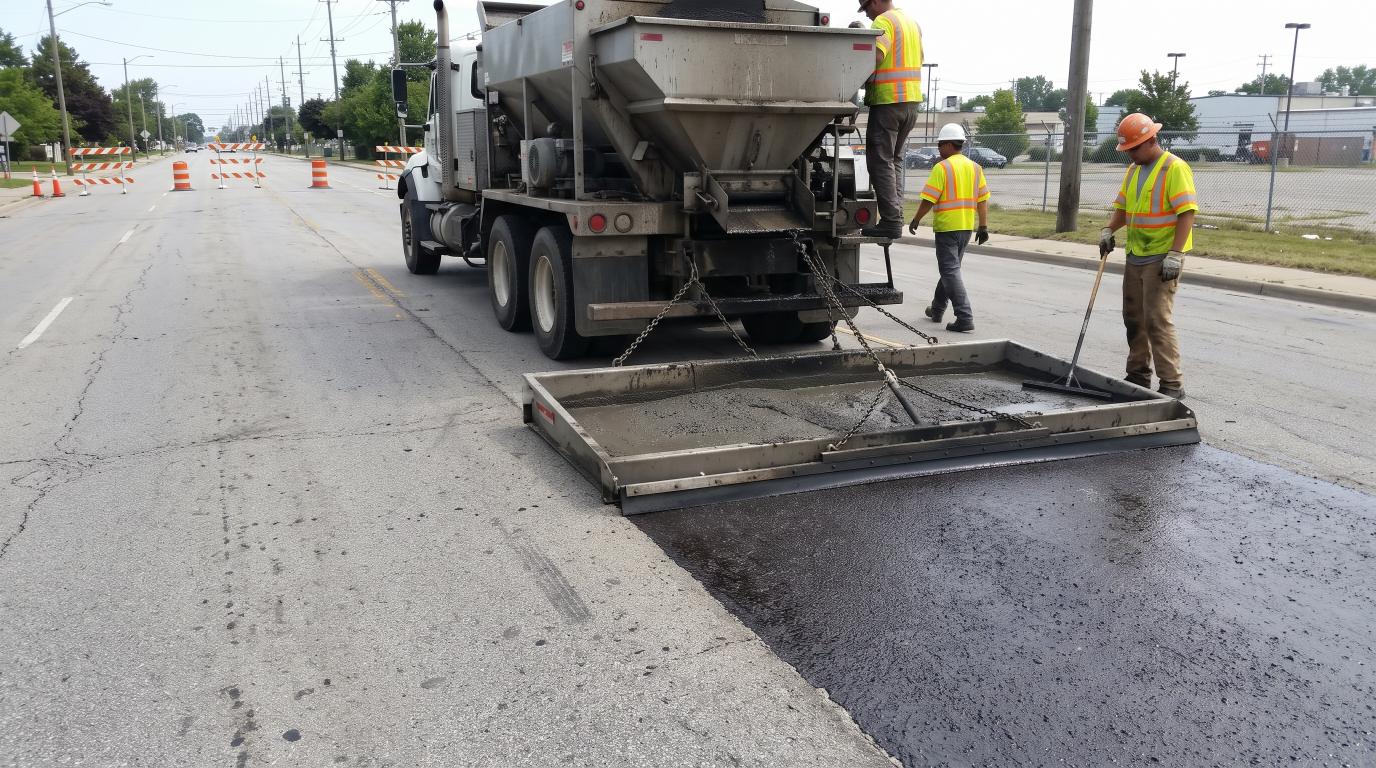
Slurry seal application follows a planned process involving pavement inspection, preparation, mixing, spreading, curing, and final inspection.
Step 1: Inspect the Pavement and Identify Repairs
The contractor first checks the existing asphalt for cracks, potholes, surface wear, and drainage problems. Traffic patterns and pavement strength are also considered. This inspection helps determine whether a slurry seal is suitable and which mixture should be used. If structural damage is found, the contractor should recommend repairs or another pavement treatment instead.
Step 2: Clean the Surface and Complete Necessary Repairs
Surface preparation is necessary for proper bonding. Dirt, loose aggregate, oil, and other contamination can prevent the mixture from adhering to the asphalt.
Typical preparation includes:
- Sweeping the pavement thoroughly.
- Repairing potholes and failed patches.
- Sealing cracks that require treatment.
- Removing loose coatings and surface debris.
- Protecting utility covers and drainage openings.
A clean, repaired surface provides a better base for application.
Step 3: Mix and Spread the Slurry Seal
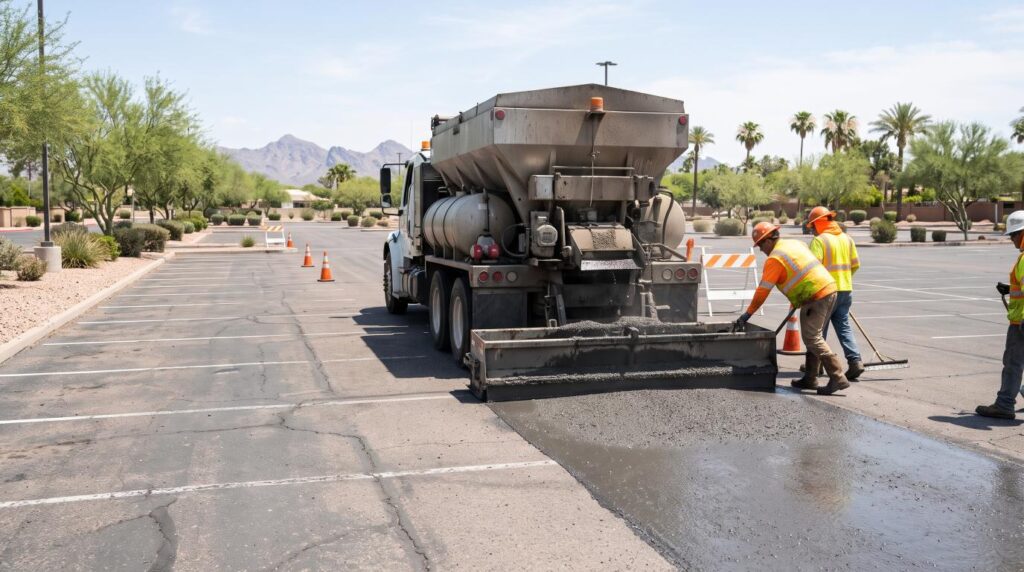
A specialized slurry seal machine combines the materials in controlled proportions. The mixture passes into a spreader box, which distributes it across the pavement. Workers may use hand tools around edges, utility covers, and other restricted areas. The application rate must match the approved mix design. Uneven spreading can create weak spots or an inconsistent surface.
Step 4: Allow the Surface to Cure Before Reopening
After spreading, the mixture begins setting as the asphalt emulsion breaks. Curing continues while water leaves the mixture and the surface develops strength. Traffic must remain off the pavement until the treatment can withstand vehicle movement. Opening too early may cause tire marks, displacement, or aggregate loss.
Step 5: Inspect the Finished Surface and Restore Markings
The contractor checks the finished surface for consistent coverage, texture, joints, and edges. Visible defects may need correction before the project is accepted. Temporary traffic controls remain in place until reopening is appropriate. Parking lines, directional markings, and other required pavement markings are restored according to the project specifications.
How Long Does a Slurry Seal Take to Dry and Cure?
Slurry seal may be ready for traffic within several hours, but there is no universal curing time. Initial setting, curing, and reopening are different stages.
Initial setting begins when the emulsion starts breaking and the mixture gains early strength.
Curing continues as water leaves the treatment and the asphalt binder develops a stable bond.
Reopening to traffic occurs when the surface can withstand expected vehicle loads without damage.
Warm, dry conditions may support faster curing, while high humidity, shade, and cooler temperatures can extend the process. Very high pavement temperatures may also affect emulsion behavior. Contractors should assess surface readiness rather than promise a fixed reopening time.
How Long Does Slurry Seal Last?
Slurry seal commonly provides several years of service, but its actual lifespan varies. Around three to five years may be used as a general planning estimate. Some treatments perform longer, while others need attention sooner.
The main factors include:
- Existing pavement condition.
- Traffic volume and heavy vehicle loading.
- Climate and moisture exposure.
- Aggregate and asphalt emulsion quality.
- Surface preparation and workmanship.
Ashley Buss and Benjamin Claypool examined 13 Iowa slurry seal projects in research published in 2022. Their study on pavement preservation effectiveness assessed service-life benefits under wet and freezing conditions. The findings support evaluating performance using local pavement data rather than assuming every slurry seal project will last the same number of years.
How Much Does Slurry Seal Cost?
Slurry seal cost depends on the pavement area, preparation requirements, material specifications, and site conditions. When the existing asphalt is suitable for preservation, slurry seal generally costs less than a new asphalt overlay.
Pavement Area and Project Size
Larger projects may have lower costs per unit of area because equipment setup and labor are spread across more pavement. Small or irregular areas may require proportionally more setup and handwork.
Surface Preparation and Repairs
Cleaning alone generally requires less work than a project involving crack sealing, pothole repairs, or patching. Identifying these needs before application helps contractors prepare a more accurate estimate.
Materials, Site Access, and Traffic Management
The selected aggregate and emulsion, equipment access, traffic control, work phasing, and restoration of pavement markings can affect the final cost. A site inspection provides a more reliable estimate than a general price figure.
Slurry Seal vs. Other Asphalt Treatments
Slurry seal, sealcoating, microsurfacing, chip seal, and asphalt overlays serve different pavement maintenance needs. The best option depends on the pavement’s condition, the type of surface wear, and whether the pavement needs surface protection or more extensive rehabilitation.
|
Treatment |
Main Purpose | Application | Typical Uses | Suitable Conditions |
| Slurry seal | Surface preservation | Mixture of asphalt emulsion, aggregate, and other ingredients | Minor surface wear and raveling |
Structurally sound asphalt |
|
Sealcoating |
Surface protection | Protective coating applied over asphalt | Light weathering and surface protection | Sound pavement with limited damage |
| Microsurfacing | Surface preservation and minor correction | Engineered mixture using polymer-modified asphalt emulsion and aggregate | Raveling and certain shallow ruts |
Stable pavement, including roads with greater traffic demands |
|
Chip seal |
Sealing and texture restoration | Asphalt binder followed by aggregate chips | Surface sealing and added texture | Structurally sound pavement |
| Asphalt overlay | Resurfacing and rehabilitation | New hot-mix asphalt layer placed over existing pavement | More extensive surface deterioration; structural benefits depend on design |
Existing pavement suitable for an overlay |
Protect Your Asphalt with Professional Slurry Seal Services
Slurry seal can help protect asphalt pavement from weather exposure, surface wear, and early deterioration when applied to suitable pavement. S&S Paving & Construction provides pavement maintenance services for property owners looking to preserve their asphalt and address surface maintenance needs.
Whether you manage a parking lot, private road, or commercial property, choosing the right treatment starts with understanding your pavement’s condition. Our team can help you explore whether slurry seal is appropriate for your project and discuss the next steps. Ready to maintain your asphalt pavement? Contact S&S Paving & Construction to discuss your project and request an estimate.
Conclusion
Slurry seal can help preserve asphalt affected by oxidation, minor raveling, and surface wear. It provides a protective wearing surface and restores pavement texture. However, the existing asphalt must remain structurally sound. Deep cracks, potholes, significant rutting, and drainage problems require proper repairs. Before choosing slurry seal, arrange a pavement assessment to determine whether preventive maintenance or more extensive rehabilitation is needed.
Frequently Asked Questions
Can Slurry Seal Be Applied to a Residential Driveway?
Yes, it can be used on an asphalt driveway that is in good shape. The pavement needs a stable base and only light surface wear. A contractor should check the driveway first to confirm the slurry seal is the right fit.
Can Slurry Seal Go Over an Existing Sealcoat?
Sometimes. The old coating must be firmly attached and free of peeling or flaking. If it is loose, the new mixture will not bond well, so the contractor may need to remove it first.
Why Are Loose Rocks Left on the Pavement After Slurry Seal?
A small amount of loose aggregate is common in the first few days. Traffic and sweeping usually clear it away. If the rock loss keeps going after that, tell your contractor so they can look at the surface.
What Is the Best Time of Year to Apply Slurry Seal in Phoenix?
Fall through spring is usually the better window. Cooler, dry weather gives the mixture more working time and helps it cure evenly. Monsoon season and peak summer heat make scheduling harder, so plan ahead.
How Should I Get My Property Ready Before the Crew Arrives?
Move all vehicles off the area and let tenants or staff know about the closure. Turn off sprinklers that spray onto the pavement, since water can ruin fresh slurry seal. Clear away any loose items so the crew can work without delays.
Can Slurry Seal Be Applied to Brand-New Asphalt?
New asphalt usually needs time to age before it gets a surface treatment. Putting slurry seal on too early can trap oils in the pavement and cause problems later. Ask your contractor how long to wait based on your pavement.
