
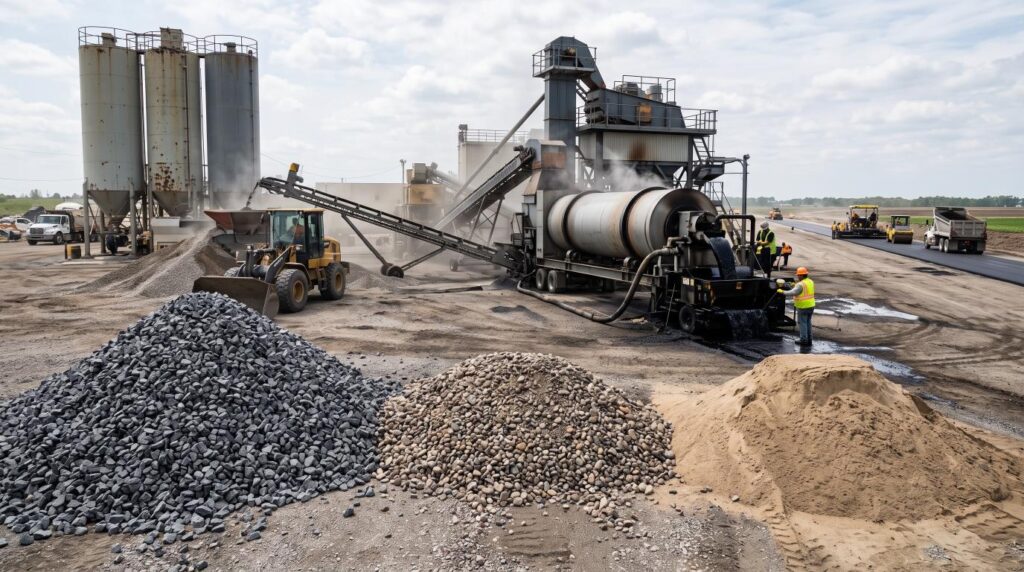
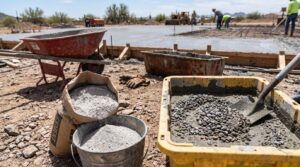
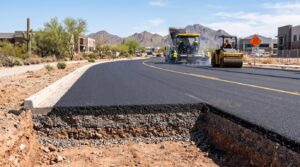
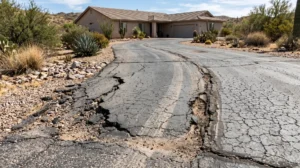


If you have ever looked at a road, driveway, or parking lot, you may have wondered, what is asphalt made of? Asphalt pavement is mainly made from two materials: aggregate and asphalt binder. Aggregate includes crushed stone, gravel, and sand. Asphalt binder is the dark, sticky material that coats the aggregate and holds the mixture together. Some asphalt mixes also contain mineral filler, additives, and recycled asphalt.
In Phoenix, AZ, pavement must handle high temperatures, traffic, sunlight, and changing surface conditions. S&S Paving & Construction works with asphalt pavement systems designed for the needs of each project. The exact mix can change based on where the asphalt will be used, how much traffic it will carry, and what conditions the finished pavement will face.
Asphalt may look simple when it is finished, but the mix is carefully designed. The size of the stone, amount of binder, temperature, compaction, base preparation, and other factors all affect the final pavement. Understanding these parts makes it easier to see why one asphalt surface may perform differently from another.
Aggregate: The Foundation of the Mix
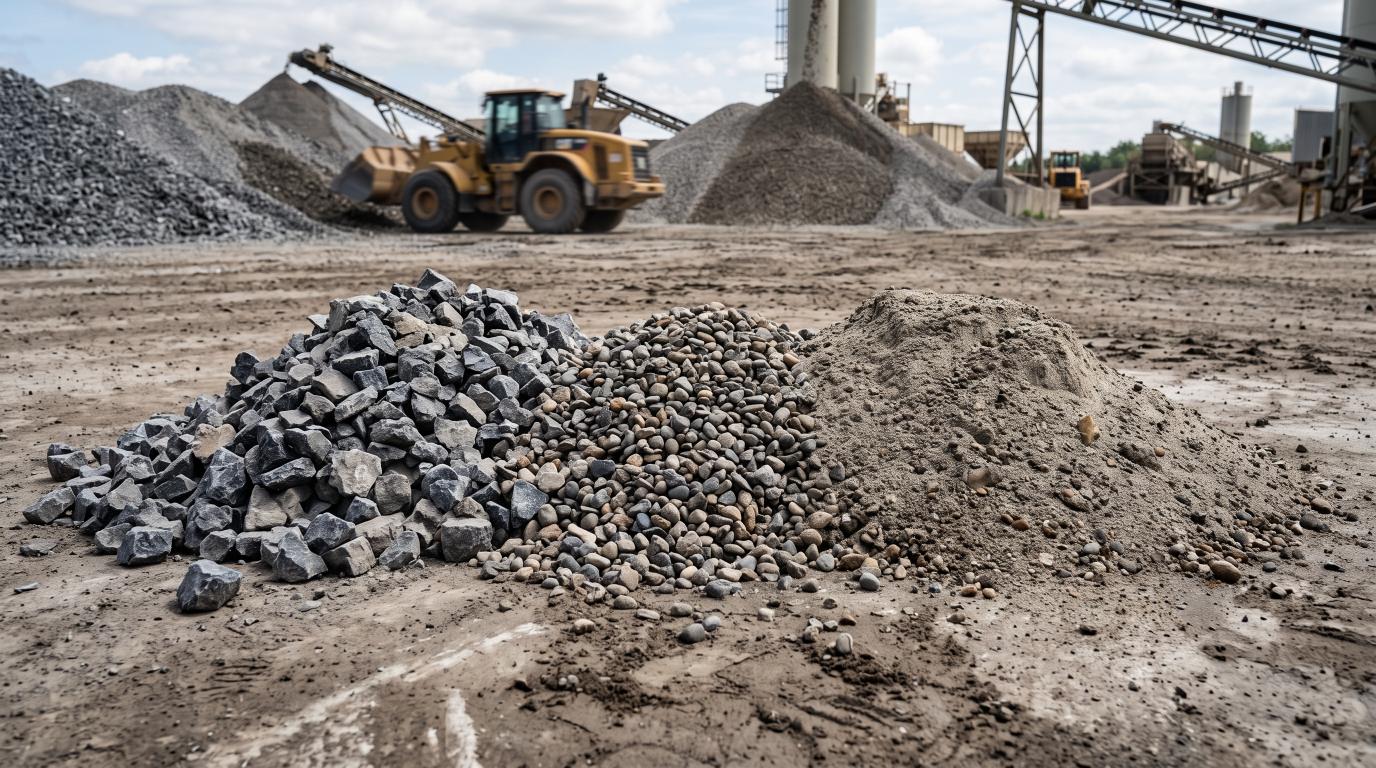
Aggregate makes up most of an asphalt mixture and gives the pavement its basic strength and structure. It usually includes crushed stone, gravel, and sand in different sizes. These materials are blended so the particles fit closely together and can support traffic loads without moving too much.
The size, shape, and quality of the aggregate can affect how the pavement performs. Strong, well-graded aggregate helps create a stable surface, while proper compaction helps the particles lock together. Without a solid aggregate structure, the asphalt would not have the strength needed for roads, driveways, and parking areas.
Asphalt Binder: Where It Comes From
Asphalt binder is the dark, sticky material that holds the aggregate together in an asphalt mix. Most modern asphalt binder comes from crude oil during the petroleum refining process. After lighter products such as gasoline and diesel are removed, the heavier material can be processed for use as asphalt binder.
The binder coats the stone and sand in the mix and helps the pavement stay flexible under traffic and temperature changes. Its properties can vary depending on how it is refined and the performance needs of the pavement. The right binder helps the finished asphalt remain strong while still allowing some movement without cracking.
What Percentage of Asphalt Is Stone Versus Binder?
Asphalt pavement contains much more aggregate than asphalt binder by weight. A typical asphalt mixture may contain roughly 90 to 95 percent aggregate, while the remaining portion includes asphalt binder and other smaller components. The exact percentages are not the same for every mix. A heavy-duty roadway, residential driveway, parking lot, and temporary repair may each require a different mix design.
Engineers and asphalt producers adjust the proportions based on the conditions the pavement must handle. Aggregate size also matters. A mix with a different stone size or grading may need a different amount of binder to properly coat the particles. Traffic level, climate, drainage, pavement thickness, intended use, and local specifications can all affect the final formula. For this reason, asphalt should not be viewed as one fixed recipe.
How Is Asphalt Made?
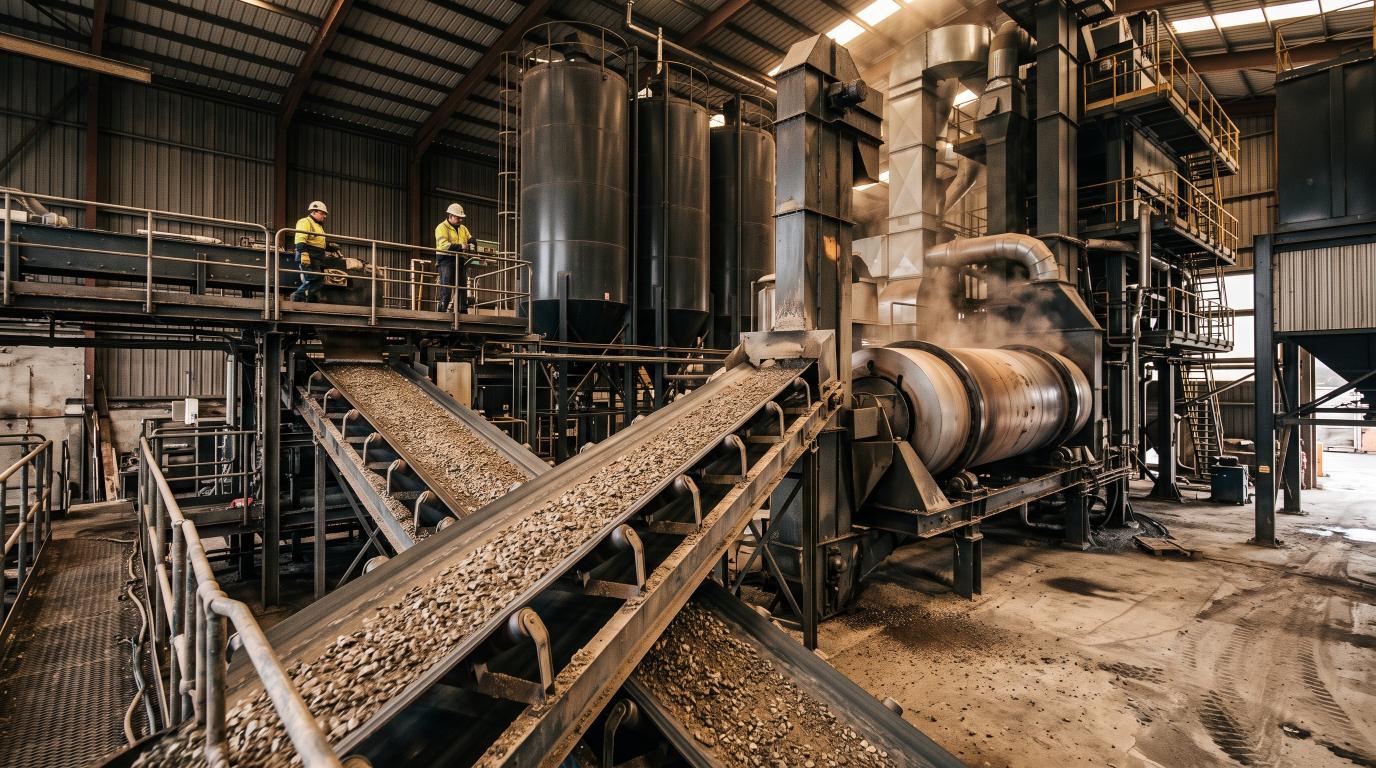
Asphalt is made by preparing the raw materials, heating them, combining them in controlled amounts, and mixing them until the aggregate is evenly coated with binder. The finished mix is then transported to the paving site, placed, and compacted.
Aggregates Are Prepared
Stone, gravel, and sand are separated by size and measured according to the mix design. For hot and warm mix asphalt, the aggregate is also heated and dried to remove moisture.
Asphalt Binder Is Heated
The asphalt binder is heated so it becomes easier to pump, mix, and spread over the aggregate. The required temperature depends on the type of asphalt being produced.
Materials Are Measured and Mixed
The prepared aggregate, binder, filler, and any required additives are added in controlled amounts. They are mixed thoroughly until the aggregate particles are evenly coated. Accurate measurements are important because the mix must meet the strength, flexibility, and performance needs of the project.
The Finished Mix Is Transported
Once the asphalt is mixed, it is loaded into trucks and taken to the paving site. Hot and warm mixes must stay within the proper temperature range during transport.
Asphalt Is Placed and Compacted
At the site, paving equipment spreads the asphalt to the required thickness. Rollers then compact the surface to reduce air spaces and create a dense, stable pavement. Proper temperature and compaction are important because they directly affect the strength and durability of the finished surface.
What Are the Main Types of Asphalt Mixes?
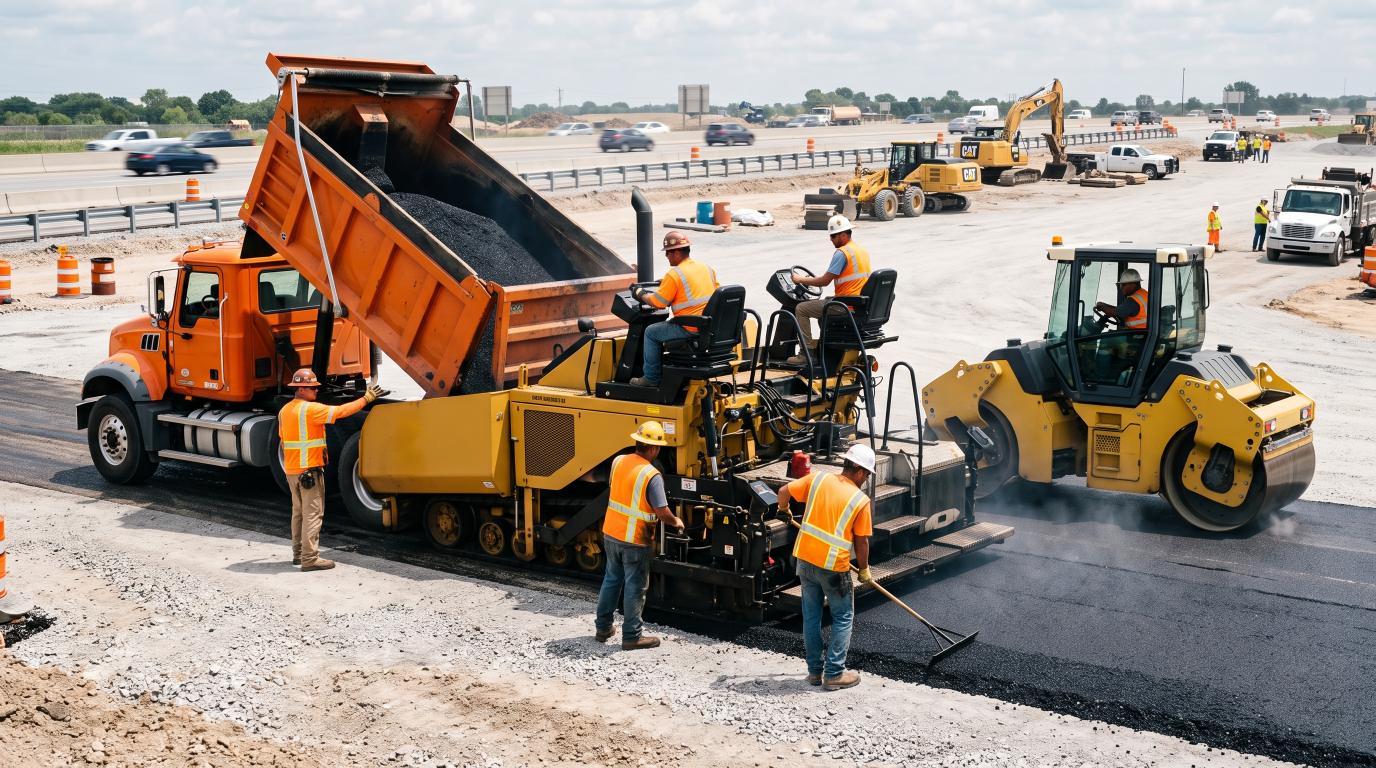
Several types of asphalt are available because not every paving project has the same requirements.
|
Asphalt Type |
Main Feature |
Common Uses |
|
Hot Mix Asphalt |
Produced and placed at high temperatures |
Roads, parking lots, highways, driveways |
|
Warm Mix Asphalt |
Produced at lower temperatures than HMA |
Roads, commercial paving, many regular paving projects |
|
Cold Mix Asphalt |
Can be used without normal hot-mix temperatures |
Patching, temporary repairs, lower-volume uses |
|
Specialized Asphalt Mixtures |
Designed for a specific performance need |
Drainage, heavy traffic, noise control, special surfaces |
Hot Mix Asphalt: Hot mix asphalt, or HMA, is made by heating the aggregate and binder before mixing. It is commonly used for roads, highways, parking lots, and other high-traffic surfaces.
Warm Mix Asphalt: Warm mix asphalt, or WMA, is produced at lower temperatures than hot mix asphalt. It can reduce fuel use and make paving easier in some conditions.
Cold Mix Asphalt: Cold mix asphalt does not require the same high temperatures as hot or warm mixes. It is often used for pothole repairs, temporary patches, and low-traffic areas.
Other Asphalt Mixes: Specialized mixes include porous asphalt, stone matrix asphalt, and open-graded asphalt. These may be used for drainage, heavy traffic, or other specific pavement needs.
How Does the Asphalt Mix Become a Durable Pavement?
Asphalt becomes durable when the aggregate, binder, and base work together correctly. The aggregate gives the pavement strength, while the binder holds the particles together and adds flexibility. A well-designed mix can better handle traffic, temperature changes, and daily wear.
Proper placement and compaction are also important. Compaction removes extra air spaces and helps the aggregate lock together. A strong base and good drainage support the asphalt from below and reduce the risk of cracking, settling, and early pavement damage.
Where Is Asphalt Used?
Asphalt is used anywhere a smooth, durable paved surface is needed. Common uses include roads and highways, residential driveways, commercial parking lots, private streets, airport pavement, industrial yards, walking paths, and access roads.
Different uses require different pavement designs. A driveway carrying passenger vehicles does not face the same stress as a truck route or industrial yard. Asphalt can also be used in specialized applications where drainage, surface texture, noise, or load capacity must be controlled.
What Is the Difference Between Asphalt, Bitumen, and Tar?
These words are often mixed together, but they do not always mean the same thing.
Asphalt vs. Bitumen
Bitumen usually refers to the dark binding material that holds the aggregate together. Asphalt pavement is the finished mixture of aggregate and asphalt binder.
In the United States, people commonly use the word asphalt for both the pavement mixture and, in some cases, the binder. In other countries, the word bitumen is more commonly used for the binder. The exact terminology can depend on where you are.
Asphalt vs. Tar
Asphalt and tar are different materials. Modern asphalt binder is generally petroleum-based or comes from natural bitumen deposits. Traditional tar products have a different origin and chemical makeup.
Because both materials can appear dark and sticky, people sometimes use the word “tar” when they actually mean asphalt. A paved asphalt road is not simply a layer of tar. It is a designed mixture containing mostly aggregate.
Why Is Asphalt Commonly Used for Roads and Pavements?
Asphalt is widely used because its properties suit many transportation and property needs.
Some of its main benefits include:
- It creates a smooth driving and walking surface.
- It can handle repeated traffic when properly designed.
- It has enough flexibility to handle some pavement movement.
- Many asphalt projects can be placed and reopened relatively quickly.
- Damaged areas can often be patched, milled, resurfaced, or replaced.
- Existing asphalt can often be processed and reused in new mixtures.
Is Asphalt Recyclable?
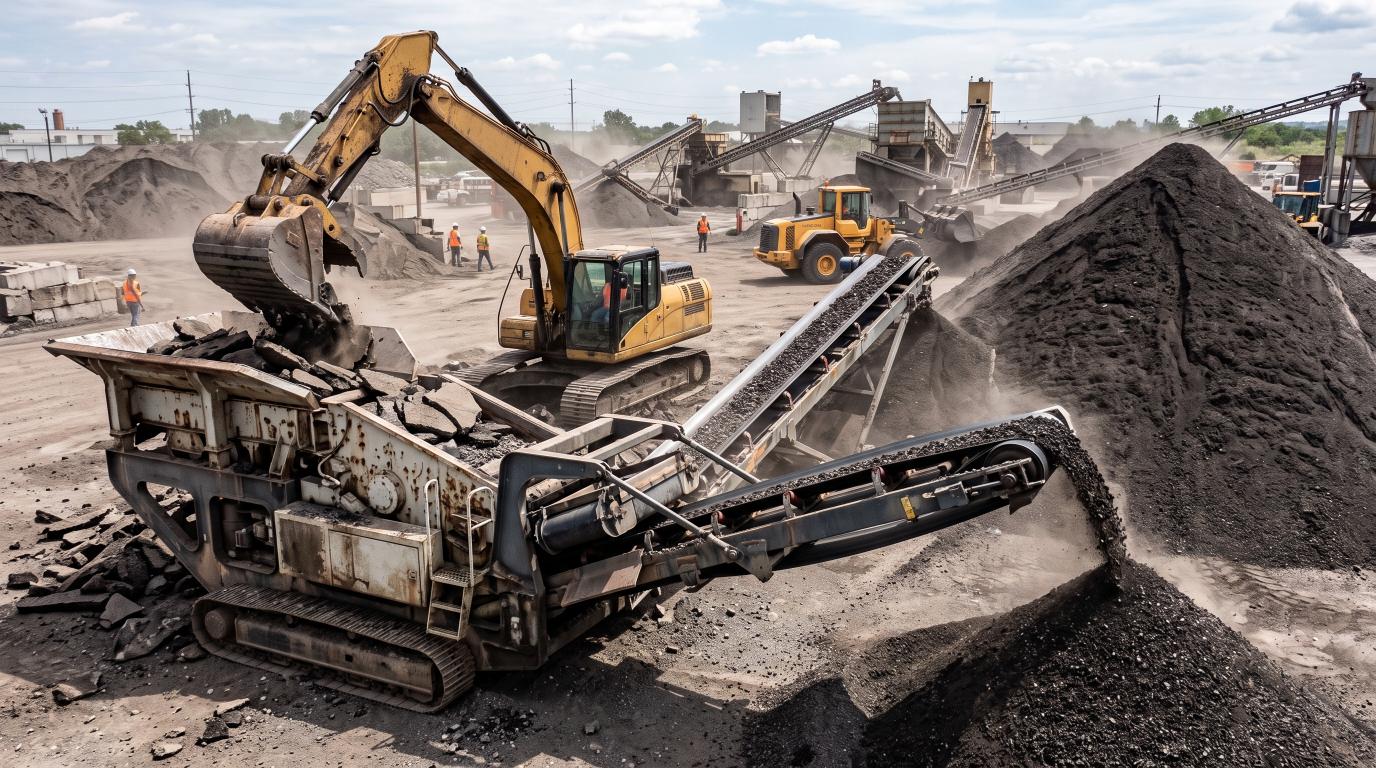
Yes. Asphalt is a recyclable pavement material. Old asphalt can be milled or removed from an existing surface and processed into reclaimed asphalt pavement. This RAP can contain usable aggregate along with aged binder. When allowed by the mix design, part of the reclaimed material can be blended into new asphalt.
Recycling reduces the amount of new aggregate that must be quarried and can reduce the amount of old pavement sent for disposal. However, recycled content must still be controlled carefully. The final mixture needs to meet the same project performance requirements as other asphalt mixtures.
What Causes Asphalt to Crack and Deteriorate?
Asphalt can last for many years, but it changes as it is exposed to traffic, sunlight, water, and weather.
Weather and Temperature Changes
Heat and temperature changes can cause asphalt to expand, contract, soften, or become more brittle over time. In hot areas such as Phoenix, strong sunlight and high pavement temperatures can speed up aging of the surface.
Water and Poor Drainage
Water can enter cracks and reach the pavement base. If the base becomes weak or unstable, the asphalt above it may begin to crack, settle, or form potholes. Good drainage helps protect the full pavement system.
Heavy Traffic and Loads
Cars, trucks, buses, and equipment place repeated stress on pavement. A surface that was not designed for its actual traffic loads may develop rutting, cracking, or other damage sooner.
Aging of the Asphalt Binder
Asphalt binder slowly changes as it is exposed to air and sunlight. Over time, it can become harder and less flexible. This can make older pavement more likely to develop cracks.
Poor Installation or Compaction
Even a good mix can fail early if it is placed over a weak base, installed at the wrong conditions, or not compacted correctly. Proper construction is just as important as the materials used in the asphalt itself.
Conclusion
Asphalt pavement is mainly a carefully designed mixture of aggregate and asphalt binder. Crushed stone, gravel, and sand provide most of the structure, while the binder coats and holds those materials together. Mineral filler, additives, modified binders, and recycled asphalt may also be used depending on the mix.
The materials are only part of what makes asphalt work. Correct mix proportions, base preparation, temperature control, placement, drainage, and compaction all affect pavement performance. Understanding what asphalt is made of helps explain why proper pavement design and construction are so important.
Need Asphalt Paving in Phoenix, AZ?
If your property needs new asphalt, resurfacing, repairs, or pavement improvements, S&S Paving & Construction provides asphalt construction services for projects across Phoenix, AZ, and Maricopa County.
Phoenix’s heat and sun exposure age binder faster than in milder climates, which is why the right mix design and installation matter even more here than in other parts of the country. Contact us to discuss your asphalt paving project and request a professional estimate.
Frequently Asked Questions
What is natural asphalt made of?
Natural asphalt contains naturally occurring bitumen that developed within mineral deposits. It may be mixed with rock, sand, or other natural materials. Natural asphalt exists in several parts of the world, but much modern paving binder comes from petroleum refining.
Can old asphalt be recycled?
Yes. Old pavement can be processed into reclaimed asphalt pavement, or RAP. The material can sometimes be added to new asphalt mixtures when it meets project and mix requirements.
Is asphalt waterproof?
Asphalt binder resists water, but a finished asphalt pavement should not be considered completely waterproof. Water can enter through cracks, joints, damaged areas, or excessive air spaces. Good drainage and timely maintenance help protect the pavement.
Is asphalt better than concrete for roads?
Asphalt can offer quicker placement, flexible repair options, smooth surfaces, and recycling benefits. Concrete can also perform well in many applications. Traffic, climate, budget, maintenance plans, soil conditions, and project requirements should guide the choice.
Why is asphalt black?
Asphalt gets its dark color mainly from the asphalt binder that coats the stone, sand, and other aggregate in the mix. Fresh asphalt usually appears very dark, but the surface may become lighter over time because of sunlight, weather, traffic, and aging.
Does asphalt contain cement?
Standard asphalt pavement does not use Portland cement as its main binder. Instead, asphalt binder holds the aggregate together. This is one of the main differences between asphalt pavement and concrete, which uses cement as a key ingredient.
