
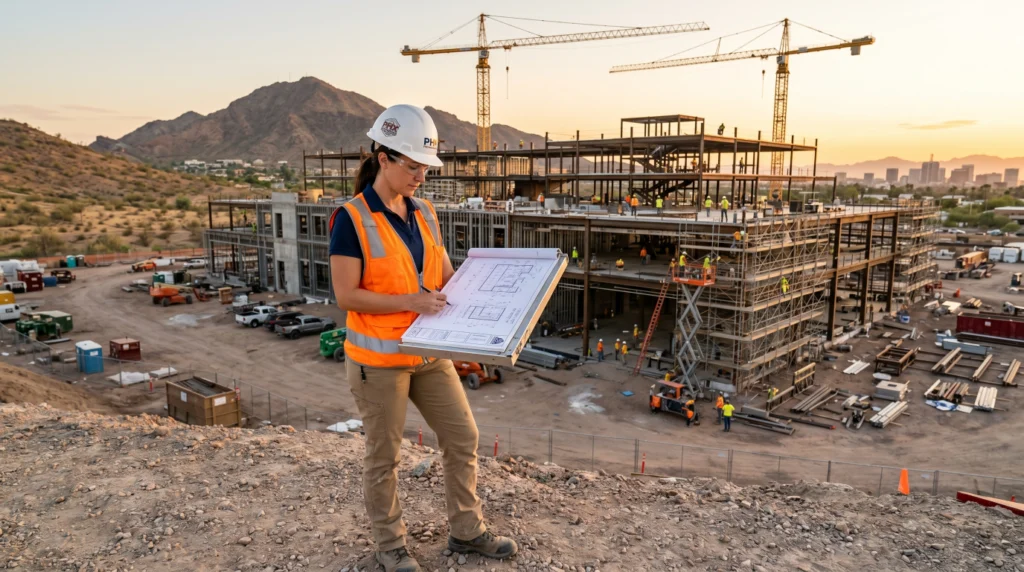



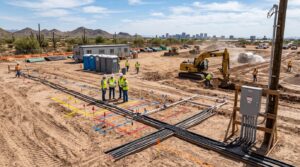
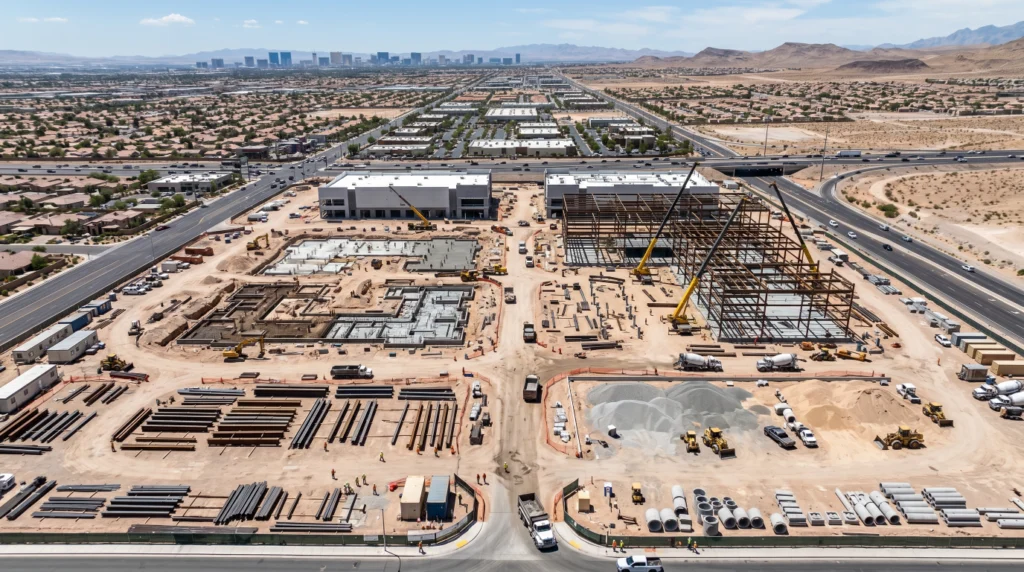
Construction project management is the process of planning and managing a construction project from beginning to end. The goal is to complete the project on time, stay within budget, maintain quality, and keep everyone safe while meeting the client’s needs. Construction projects can be complicated because they involve many people, deadlines, materials, equipment, and tasks.
Whether it is a new home, office building, or large infrastructure project in Phoenix, AZ, every step must be organized carefully to keep the work moving smoothly. The process usually includes planning, designing, scheduling, budgeting, managing workers and resources, overseeing construction, and completing the project.
What Is Project Management in the Construction Industry?
Construction project management is the process of planning, coordinating, and overseeing every part of a construction project from start to finish. It covers the people, the money,and the quality of the work being done. It includes defining the work scope, setting a timeline and budget, coordinating teams, solving issues, and ensuring quality standards are met.
The Construction Management Association of America (CMAA) has identified over 120 responsibilities that fall under the construction management umbrella. That gives you a sense of just how detailed and demanding this work actually is.
Why Construction Project Management Is Important
Without proper management, even a well-funded construction project can fail. Here is why construction project management is so important. It keeps projects on schedule. Construction work follows a sequence where one task depends on another. A project manager makes sure delays are controlled and the timeline stays on track, and also it controls costs and budgets.
A project manager tracks expenses, prevents overspending, and keeps the project within budget. It improves communication, and a project manager keeps architects, contractors, and suppliers aligned to avoid confusion and mistakes.
The Main Goals of Construction Project Management
Every construction project runs on four core goals: finish on time, stay within budget, use resources wisely, and deliver quality work. A project manager builds the entire plan around these targets. Without clear goals set from day one, teams lose direction, costs spiral, and the finished building rarely matches what the client expected.
No goal matters if workers are getting hurt on the job site. A good construction project manager keeps safety standards non-negotiable while pushing toward every other target at the same time. When all these goals work together, the project does not just get completed. It gets completed right.
Types of Construction Projects
Construction projects can be divided into several categories based on their use and complexity.
Residential Construction
Residential construction covers homes, apartments, townhouses, and housing developments. These projects range from a single-family home to a large apartment complex with hundreds of units. Residential work tends to involve smaller budgets and shorter timelines but still requires careful coordination between builders, inspectors, and suppliers.
Commercial Construction
Commercial construction includes offices, retail stores, hotels, schools, hospitals, and shopping malls. These projects are usually larger and more complex, often requiring specialized systems like HVAC, fire suppression, and advanced electrical setups.
Industrial Construction
Industrial projects include factories, warehouses, power plants, and manufacturing facilities. This type of construction often involves heavy structural work, specialized equipment installation, and strict safety requirements due to the nature of what will be produced or stored inside.
Infrastructure and Heavy Civil Construction
This category covers roads, bridges, tunnels, dams, airports, railways, and utility systems. These are typically large-scale government or public projects that can take years to complete and require enormous coordination across multiple agencies and contractors.
Key Roles in Construction Project Management
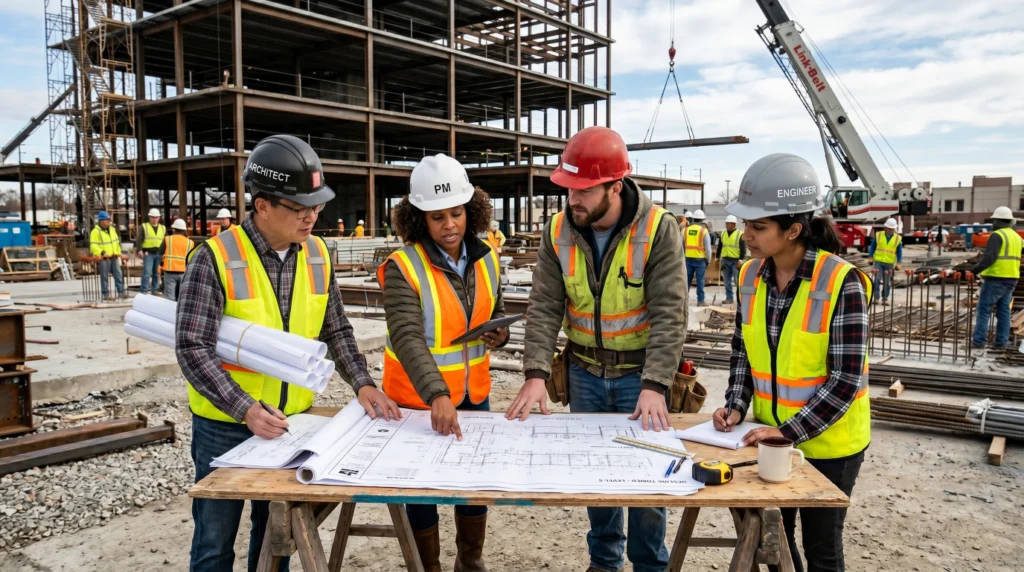
Construction project management involves several key professionals who work together to plan, coordinate, and complete a project successfully.
Project Owner
The project owner is the person or organization funding the construction. They define the goals, approve the budget, and make major decisions. They may be a private developer, a government body, or a business building a new facility.
Construction Project Manager
The construction project manager is responsible for the overall success of the project. They manage the schedule, budget, team, and communications. This person is the central point of contact for everyone involved in the build.
Construction Manager
Sometimes separate from the project manager, the construction manager focuses specifically on the day-to-day activities on the job site, supervising workers and making sure work is being done to the right standard.
Architects and Engineers
Architects design the building and create the drawings. Structural, mechanical, and electrical engineers make sure the building is safe, functional, and code-compliant. They work together to produce the technical documents that guide construction.
General Contractors
The general contractor is responsible for executing the construction work. They manage the job site, hire and coordinate subcontractors, and are accountable for delivering the project according to the plans.
Subcontractors
Subcontractors are specialist companies or individuals hired to complete specific parts of the work, such as plumbing, electrical work, roofing, or painting. They report to the general contractor.
Suppliers and Vendors
Suppliers deliver the materials and equipment needed for construction. Managing supplier relationships is critical for keeping the project on schedule, especially when supply chains are unpredictable.
Responsibilities of a Construction Project Manager
A construction project manager handles everything that keeps a project running, from managing the budget and schedule to coordinating teams, enforcing safety, overseeing quality, and administering contracts. They are the central person who makes sure the right work happens at the right time, and that problems get solved before they become expensive mistakes.
The Construction Project Management Process
The construction project management process follows a clear path: plan the work thoroughly, estimate costs accurately, allocate resources wisely, execute on site with strong supervision, track progress against the original plan, and close the project out properly. Every step connects to the next, and when each one is handled with care, the project has a real chance of finishing on time, within budget, and to the standard the client expected.
Common Challenges in Construction Project Management
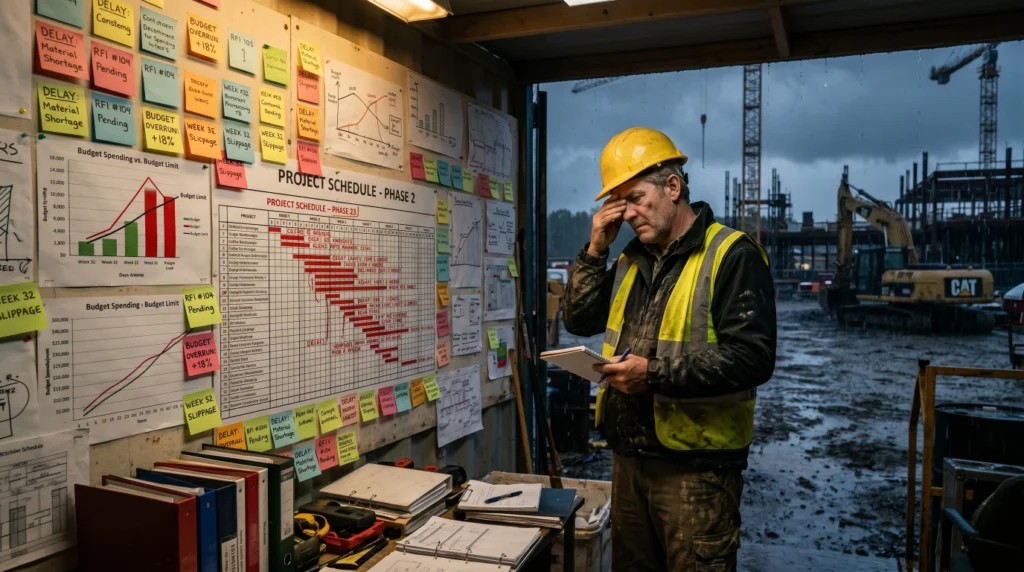
Construction projects often face challenges like delays, budget overruns, poor communication, and unexpected site or weather issues.
Budget Overruns
Budget overruns are one of the most damaging problems a construction project can face. They happen for many reasons, including rising material prices, unexpected site conditions like poor soil or hidden underground utilities, and design changes requested mid-project.
Poor cost estimation at the start is another major contributor. When the original budget is built on assumptions rather than accurate data, the gap between planned and actual spending grows fast.
Project Delays
Delays are almost guaranteed on any construction project, but how they are managed makes all the difference. Bad weather can halt outdoor work for days or weeks. Material deliveries that arrive late push the entire schedule back. Each individual delay might seem small, but they stack on top of each other quickly. A project manager plans buffer time and monitors progress regularly to catch delays early before they become serious.
Labor Shortages
The construction industry has been dealing with a skilled labor shortage for years, and it is not getting easier. Experienced tradespeople in areas like electrical work, plumbing, and structural steel are in high demand across multiple projects at the same time. When qualified workers are not available, timelines stretch, quality can suffer, and the cost of attracting the right people goes up.
Communication Issues
A construction project involves dozens of people from different companies, disciplines, and backgrounds all working toward the same goal. When communication breaks down between architects, engineers, general contractors, and subcontractors, the consequences are expensive. Work gets done based on outdated drawings. Instructions get misunderstood.
Safety Risks
Construction sites are consistently ranked among the most dangerous work environments in the world. Workers face risks every single day from falls at height, heavy equipment accidents, electrical hazards, collapsing trenches, and exposure to hazardous materials. A single serious safety incident does not just harm the worker involved.
Material Supply Problems
Construction depends on a steady flow of materials arriving on site at exactly the right time. When that flow gets disrupted, everything stops. Supply chain problems have become more common in recent years due to global shipping delays, manufacturer shutdowns, and sudden spikes in demand.
Regulatory Compliance
Every construction project must operate within a complex web of rules and regulations. Local building codes dictate how structures must be designed and built. Environmental regulations control how waste is handled and how nearby land and water are protected. Falling behind on compliance is not just a paperwork problem.
Benefits of Effective Project Management in the Construction Industry
- Better Cost Control Proper project management reduces waste, catches cost issues early, and keeps the project within the approved budget more often.
- Improved Productivity When workers know their tasks, materials are on site when needed, and the schedule is clear, productivity goes up significantly.
- Higher Project Quality Regular quality checks and clear standards result in finished buildings that meet or exceed client expectations.
- Reduced Risks Proactive risk identification and management reduces the chance of costly surprises, accidents, or project failures.
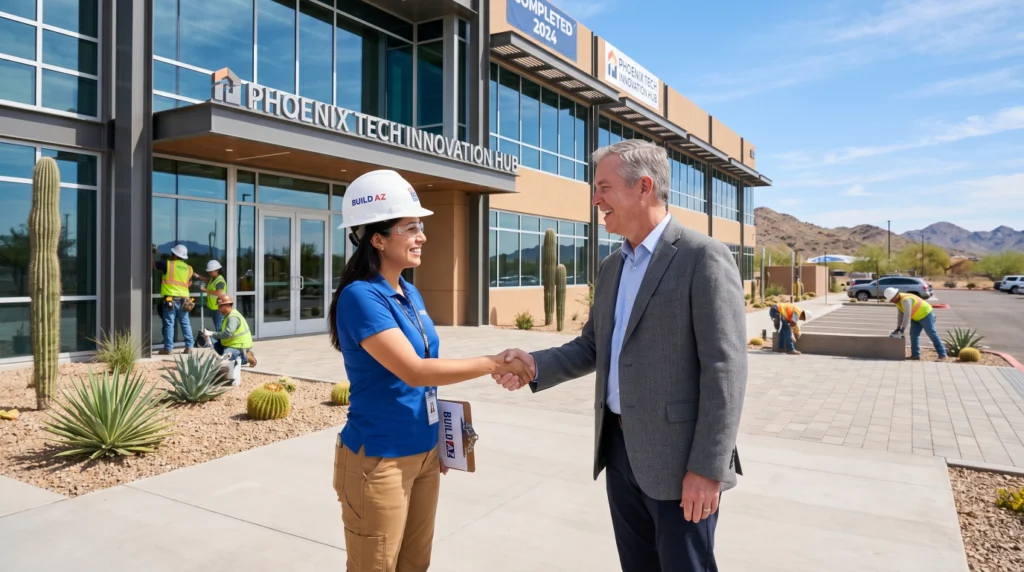
- Better Client Satisfaction Clients who receive their project on time, within budget, and at the quality level they expected are far more likely to return for future work and refer others.
When Does a Construction Project Need Professional Project Management?
Not every project needs a dedicated construction project manager. A small home renovation can be handled without one. But once a project involves multiple contractors, a significant budget, complex designs, or strict regulatory requirements, professional management becomes essential.
Larger commercial and infrastructure projects almost always require it, and even mid-sized projects benefit greatly from experienced oversight. The cost of hiring a project manager is almost always recovered through fewer delays, reduced waste, and tighter budget control.
Work With a Construction Team Phoenix, AZ Trusts
If you are planning a construction project in Phoenix, AZ and need a team that knows how to manage every detail from start to finish, S&S Paving and Construction is ready to help. We have been delivering paving, earthwork, site concrete, and full construction management services across Arizona. Contact us, our team handles the scheduling, coordination, budgeting, and on-site supervision so your project stays on track and on budget.
Conclusion
Construction project management is the backbone of every successful building project. Without it, even the most talented architects and skilled workers struggle to deliver on time, on budget, and to the right standard.
From the first initiation meeting to the final keys being handed over, the construction project manager keeps every piece of the puzzle moving in the right direction. They manage budgets, coordinate teams, handle risks, enforce quality, and maintain safety across the entire life of the project.
Frequently Asked Questions
What is project management in the construction industry?
Project management in construction is the process of planning, organizing, and overseeing all aspects of a construction project, including the budget, schedule, teams, materials, and quality. It ensures the project is completed on time, within budget, and to the required standards.
What does a construction project manager do?
A construction project manager handles budget tracking, scheduling, team coordination, risk management, quality control, safety oversight, and contract administration. They are the central point of contact for everyone involved in the project.
What skills are required for construction project management?
Key skills include project planning, cost estimation, risk management, leadership, communication, contract knowledge, and the ability to use construction management software. Knowledge of building codes and safety regulations is also essential.
What software is used in construction project management?
Commonly used software includes Procore, Autodesk Construction Cloud, Primavera P6, Microsoft Project, Buildertrend, and PlanGrid. The right software depends on the size and complexity of the projects being managed.
What are the biggest challenges in managing construction projects?
The most common challenges include budget overruns, project delays, labor shortages, communication breakdowns, supply chain problems, safety incidents, and regulatory compliance issues.
