
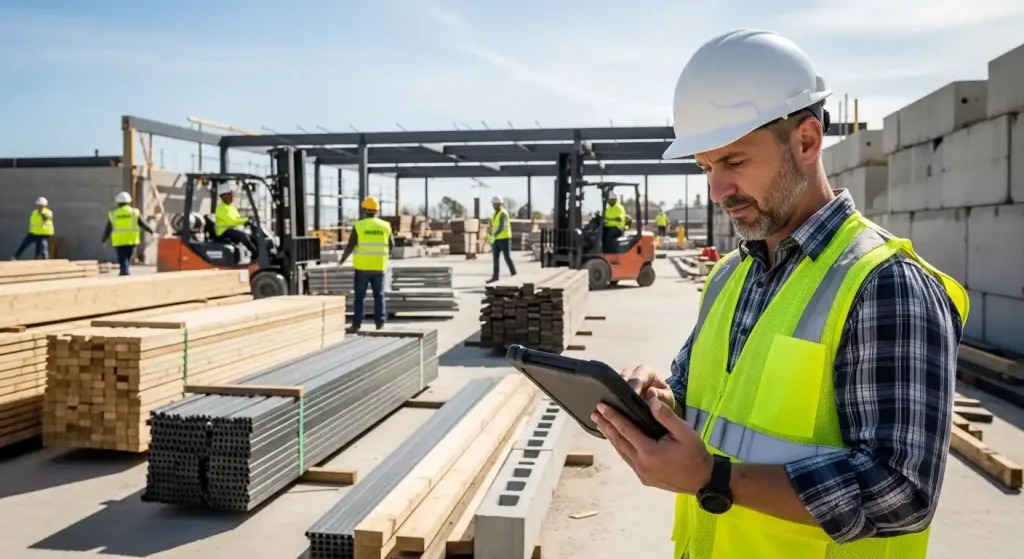




Managing construction materials effectively means planning, tracking, storing, and controlling materials throughout the entire construction project so the right materials are available at the right place, at the right time, and in the right quantity.
In Phoenix, AZ, construction materials can be managed by creating a detailed material plan, centralizing procurement, tracking inventory continuously, storing materials safely, and using digital tools or software for monitoring usage and deliveries.
What Is Construction Materials Management?
Construction materials management is the systematic coordination of all materials required to complete a construction project. It covers the entire lifecycle of materials from identifying requirements during project planning to procurement, delivery, on-site receiving, storage, distribution to work areas, and tracking their usage until project completion.
This function sits at the intersection of procurement, logistics, project scheduling, and cost control. While overall construction management focuses on timelines, workforce coordination, and project milestones, materials management specifically ensures the steady flow of physical resources needed for construction activities.
For example, a project manager may schedule wall framing for next week, but materials management ensures the lumber, fasteners, connectors, and other supplies are delivered on time, inspected, stored properly, and recorded in inventory. This process bridges the gap between planning a task and having the materials ready to execute it efficiently.
Why Construction Materials Management Matters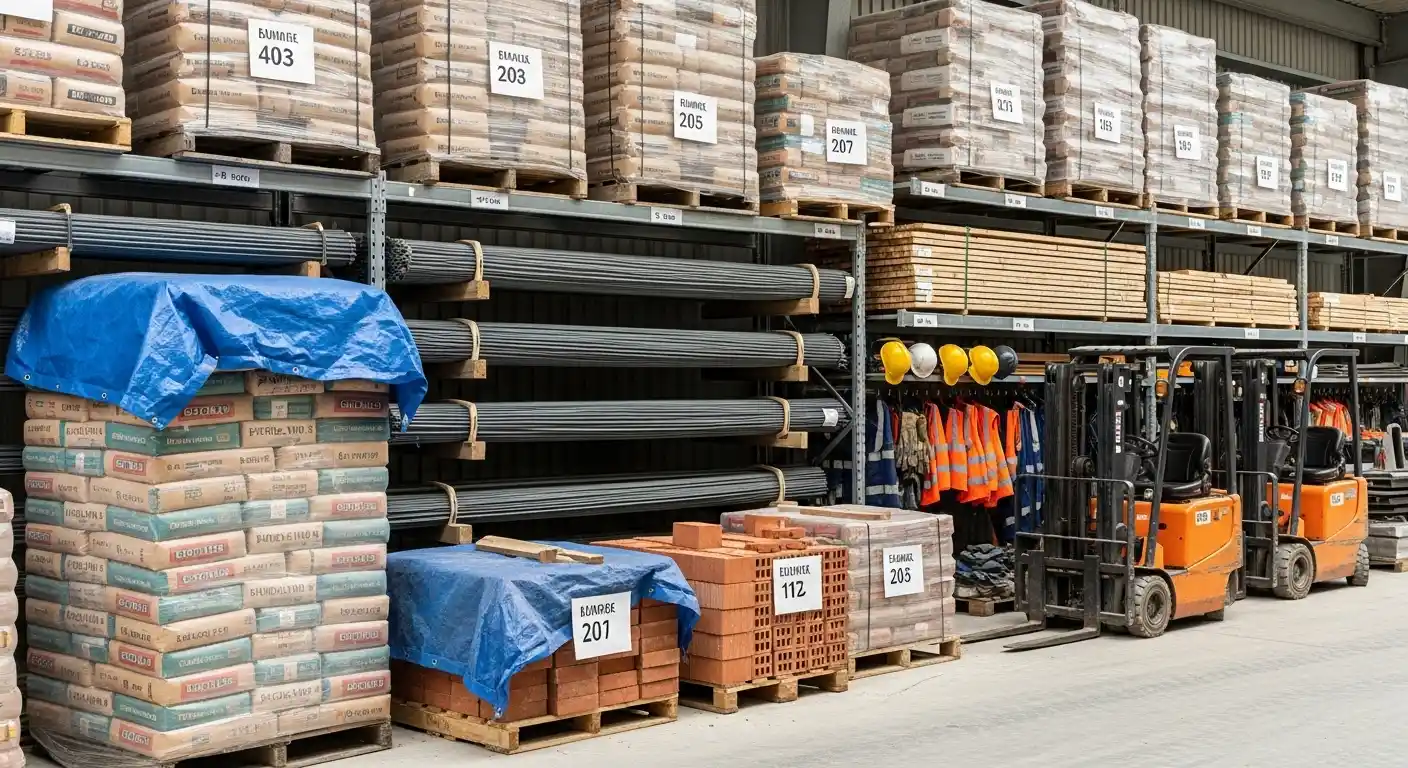
Construction materials usually make up 40–60% of the total cost of a project, which is why managing them properly is very important. Good materials management helps construction companies plan, purchase, and track materials efficiently so projects stay within budget.
It also helps reduce unnecessary expenses. When materials are managed well, companies can avoid emergency purchases, reduce waste from over-ordering, and negotiate better prices with suppliers. This leads to better cost control throughout the project.
Proper materials management also ensures that materials arrive on site when they are needed. If even one small component is missing, construction work can stop and cause delays. Having the right materials available at the right time keeps the project moving smoothly.
In addition, organized materials management improves productivity and communication among teams. When clear systems exist for ordering, receiving, and tracking materials, workers spend less time solving material issues and more time completing the project.
Core Challenges in Construction Material Management
Understanding the common problems in materials management is the first step to improving it. Many construction companies face similar challenges that affect project costs, timelines, and efficiency.
One major issue is forecasting errors. Accurately estimating the quantity and type of materials needed for a project can be difficult. Small mistakes during the planning stage can lead to material shortages or excess inventory later, both of which increase costs and slow down progress.
Another challenge is lack of inventory visibility. When teams do not have a clear, real-time view of available materials, they may order items that already exist on-site or realize too late that a critical material has run out. This confusion often leads to delays and unnecessary spending.
Other common problems include manual tracking, poor storage, and supplier delays. Relying on spreadsheets or paper records can cause outdated information, while improper storage may damage materials. In addition, late deliveries from suppliers can disrupt schedules and affect overall project productivity.
Strategic Pillars of Effective Materials Management
A reliable materials management system isn’t built on a single tool or policy. It requires a structured approach across five interconnected areas, each reinforcing the others.
Accurate Planning & Forecasting
Every successful materials management system begins with a detailed material takeoff, which lists all materials required for a project and aligns them with the construction schedule. Using historical data from similar projects helps improve estimation accuracy and avoid planning mistakes. It is also helpful to include contingency buffers for materials with price fluctuations or longer lead times so procurement starts early enough to prevent shortages.
Centralized Procurement & Supplier Management
Centralizing procurement helps maintain consistent quality, better pricing, and stronger supplier relationships. Instead of each project team purchasing materials separately, organizations can standardize sourcing policies and work with pre-approved suppliers. This approach improves negotiation power and supports just-in-time delivery, allowing materials to arrive when they are needed while reducing storage costs.
Inventory Tracking & Classification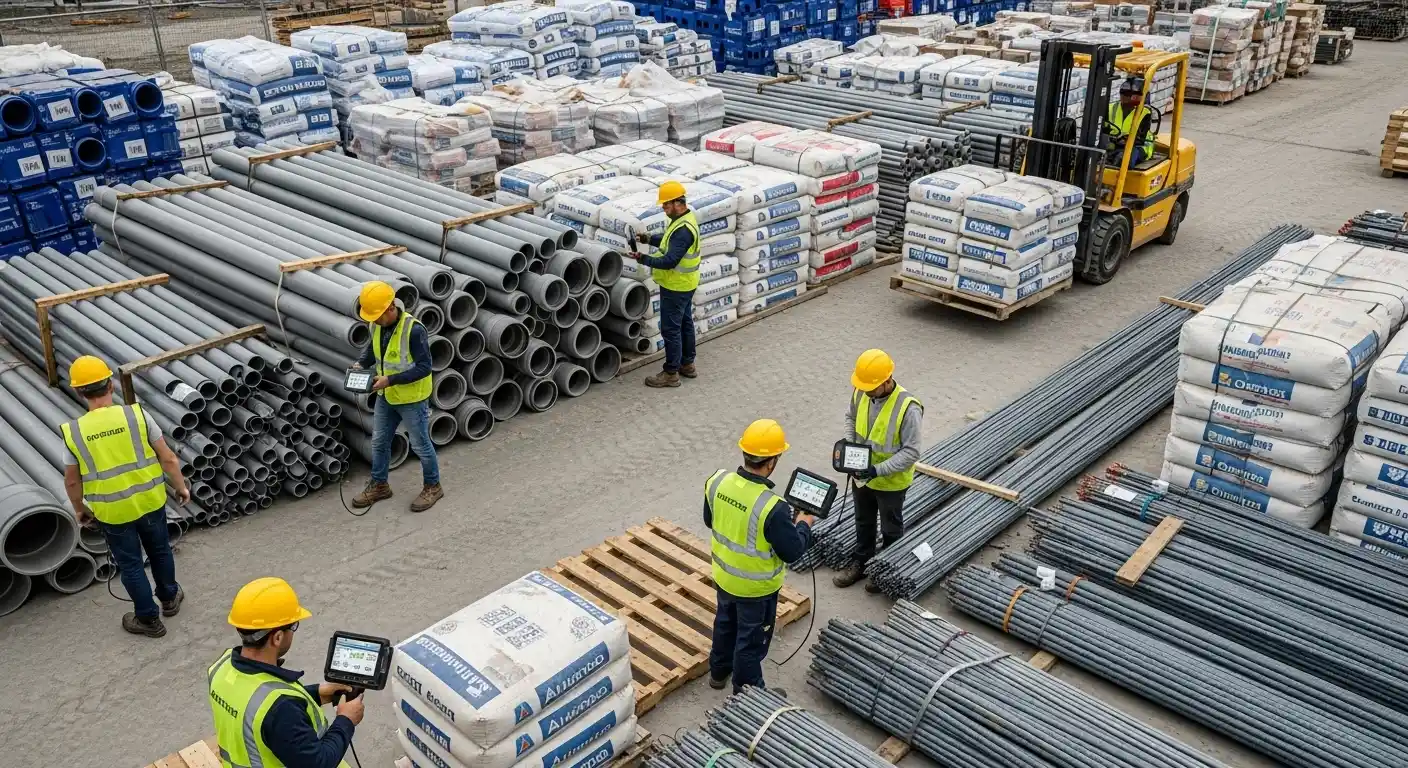
Effective materials management relies on a central inventory system that records quantities, locations, specifications, and material usage. Many construction companies use ABC analysis, which classifies materials based on value and importance. High-value items receive stricter monitoring, while lower-cost materials require less control. Tracking material movement and usage regularly helps maintain accurate records.
Efficient Material Storage & Handling
Proper storage and handling help prevent damage, theft, and material loss. Materials should be organized in clearly labeled areas, protected from weather, and stored securely on-site. Applying the FIFO (First In, First Out) method ensures older materials are used before new deliveries, which reduces waste and keeps materials in good condition.
Continuous Auditing & Improvement
Regular inventory audits help ensure that physical stock matches digital records. These checks identify discrepancies early and improve accountability among project teams. Over time, audit findings can be used to refine procedures, improve forecasting accuracy, and reduce waste and cost variations across projects.
Lean Inventory and Just-In-Time (JIT) Principles
Just-in-time (JIT) is a materials management approach where materials are delivered to the construction site only when they are needed for installation. Instead of storing large quantities on-site for long periods, materials arrive closer to the time they will be used. This method helps reduce storage space, lower carrying costs, and minimize risks such as theft, damage, or weather exposure.
However, JIT requires reliable suppliers and well-planned project schedules. If a delivery is delayed, it can stop work on the site. To reduce this risk, construction teams should maintain backup suppliers for critical materials and keep small buffer stock for items that are difficult to replace quickly.
Technology & Automation: The Modern Advantage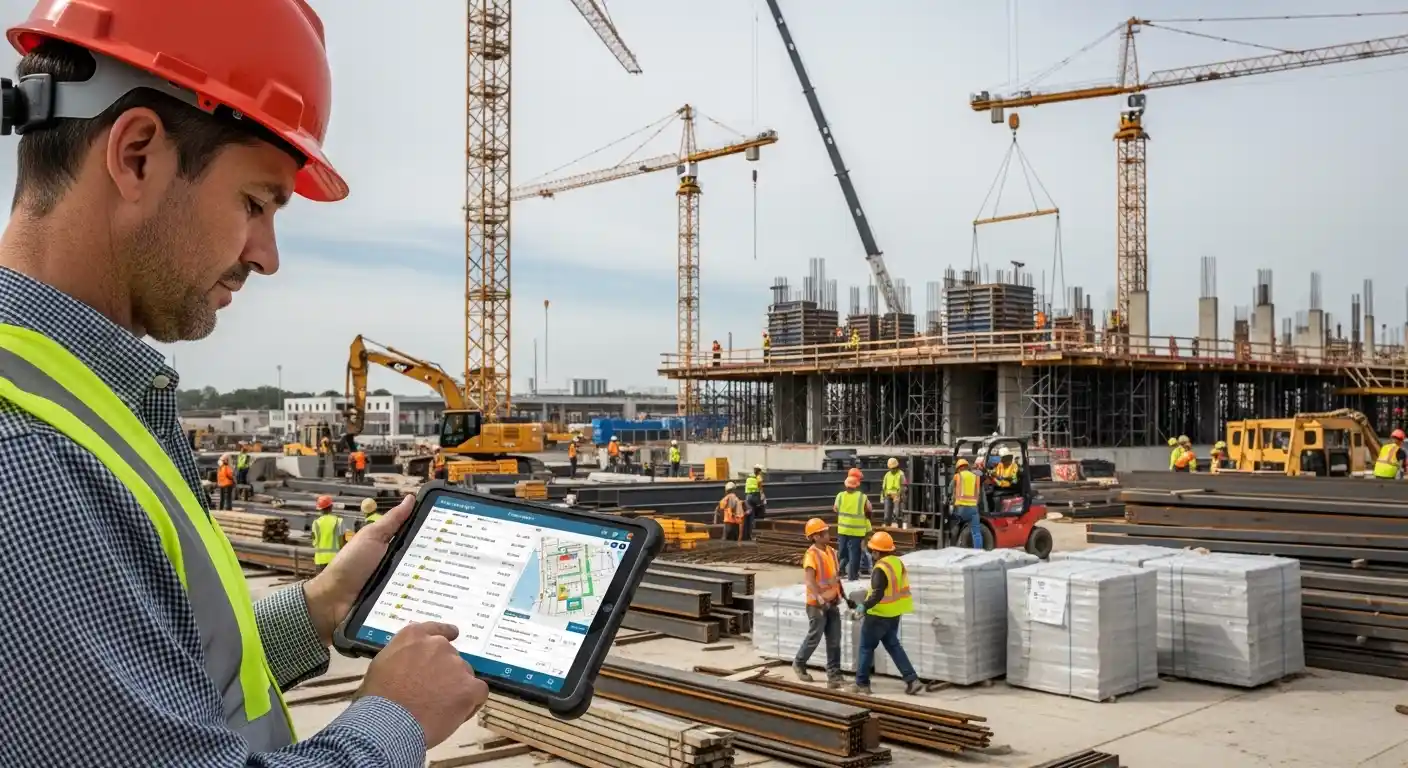
Technology has fundamentally changed the ceiling of what’s achievable in construction materials management. Organizations still operating on spreadsheets and paper are competing at a genuine structural disadvantage.
Construction Materials Management Software
Construction materials management software helps teams track, manage, and control materials in real time. These platforms provide features such as inventory tracking, automated reorder alerts, digital purchase orders, and supplier coordination. When integrated with project management or ERP systems, they give teams a clear view of materials, schedules, and costs in one place, helping managers make faster and more informed decisions.
Tracking Tools: Barcode, RFID & IoT
Modern tracking tools like barcode and RFID systems make inventory management more accurate and efficient. By scanning materials when they arrive, move between locations, or are used, teams can maintain an automatic and reliable record of material movement. IoT sensors can also track the location of valuable assets and monitor environmental conditions for materials that are sensitive to temperature or humidity.
Data Analytics & Forecasting
Data analytics helps construction companies analyze past material usage and improve future planning. By studying historical data from previous projects, teams can predict material demand more accurately, identify purchasing trends, and determine the best time to reorder supplies. Over time, this data-driven approach improves forecasting, reduces shortages, and prevents excess inventory.
Standard Operating Procedures (SOPs) for Material Management
Documented SOPs convert good intentions and training into consistent, repeatable execution. Every project should have clear procedures covering at minimum:
Receiving materials: Verify delivery counts against purchase orders, inspect every shipment for damage or specification mismatches, and log receipts into the inventory system before materials leave the receiving area.
Movement control: All transfers between storage locations, site zones, and crews require signed check-in/check-out documentation. This single practice alone eliminates the majority of unexplained inventory discrepancies.
Waste and disposal: Track and categorize material waste by type and cause, document all disposal activities for compliance purposes, and use waste data to refine quantity estimates on future similar projects.
KPIs & How to Measure Materials Management Success
Inventory accuracy (%): The ratio of physical counts to system records. Well-managed operations target 98% or higher. Anything below 95% signals systemic tracking problems.
Material waste ratio: Waste generated relative to total materials consumed. Tracking this over time identifies problem material categories and quantifies the impact of process improvements.
On-time delivery rate: The percentage of material orders delivered when needed without schedule impact. This measures both supplier performance and procurement planning quality.
Cost variance: Planned vs. actual material spent by project. Persistent overruns point to forecasting weaknesses; periodic spikes often reveal procurement process breakdowns.
Reorder fulfillment time: The elapsed time between a reorder trigger and materials arriving on-site. Reducing this metric allows for leaner buffer stock levels and lower carrying costs.
Real-World Examples & Use Cases
A mid-size construction company working on a commercial building project improved its materials management by using a centralized purchasing system. Instead of each team buying materials separately, the company ordered supplies through a single process and worked with a few reliable suppliers. This helped them get better prices, control material usage more easily, and reduce unnecessary spending.
In another example, a civil construction company started using RFID tags to track important piping materials across different job sites. Workers could quickly scan materials to check their location and quantity. This made inventory checks faster and helped teams find materials easily when they were needed.
As a result, the company experienced fewer lost materials and fewer work delays. Projects ran more smoothly because workers always knew where materials were stored. These examples show that simple improvements like organized purchasing and better tracking systems can make a big difference. They help construction companies save money, reduce delays, and manage materials more efficiently.
Future Trends in Construction Materials Management
AI and machine learning will push forecasting accuracy beyond what’s achievable with historical averages alone incorporating project-specific variables, supplier performance data, and market signals to generate dynamic, self-correcting material plans.
Digital twins and 5D project modeling will allow teams to simulate the full procurement and logistics lifecycle of a project before construction begins, surfacing bottlenecks and risk scenarios in the model rather than on the job site.
Sustainable and circular material strategies are moving from voluntary to expected. Tracking material origins, reuse rates, and end-of-life disposal will become standard practice as regulatory requirements and client sustainability commitments tighten across the industry.
Construction Materials Management in Phoenix, AZ
Managing construction materials efficiently is important for projects in Phoenix, where rapid growth requires strong planning and supply coordination. For paving or construction projects, you can request a free estimate from S & S Paving & Construction to better understand your project needs and costs.
Conclusion
Managing construction materials effectively requires proper planning, organized procurement, accurate inventory tracking, and efficient storage practices. When construction teams follow a structured system, they can ensure the right materials are available at the right time without unnecessary delays or excess inventory.
By combining clear processes, reliable supplier relationships, and modern technology, construction companies can reduce costs, minimize waste, and improve overall project efficiency. Strong materials management not only keeps projects on schedule but also helps teams maintain better budget control and smoother site operations.
Frequently Asked Questions
What is construction materials management?
Construction materials management is the process of planning, purchasing, storing, tracking, and controlling materials used in a construction project. It ensures that the required materials are available at the right time and in the correct quantity to keep the project running smoothly.
Why is materials management important in construction?
Materials management is important because construction materials often make up a large portion of project costs. Proper management helps reduce waste, prevent delays, control expenses, and ensure materials are available when workers need them.
What are the key steps to manage construction materials effectively?
The main steps include planning material requirements, centralizing procurement, tracking inventory, storing materials safely, and monitoring usage throughout the project. Using digital tools or management software can also improve efficiency and accuracy.
What challenges do construction companies face in materials management?
Common challenges include forecasting errors, lack of inventory visibility, manual tracking systems, poor storage conditions, and supplier delays. These issues can lead to higher costs and project delays if not managed properly.
What tools are used for construction materials management?
Construction companies often use materials management software, barcode systems, RFID tracking, and data analytics tools to monitor inventory, track material movement, and improve forecasting for future projects.
