
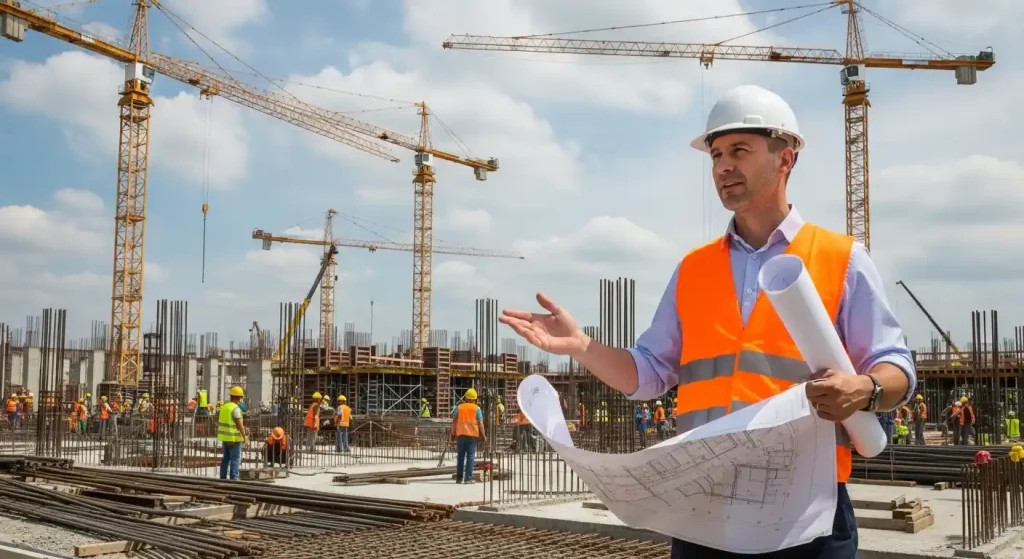




Construction managers are the backbone of any construction project, ensuring that work on a job site runs smoothly, safely, and efficiently. Simply put, a construction manager oversees and coordinates all aspects of a construction project from planning and budgeting to supervising crews and ensuring compliance with building codes.
On a daily basis, a construction manager in Phoenix, AZ monitors progress, manages resources, resolves unexpected issues, and enforces safety protocols. Without a construction manager, even well-designed projects can face miscommunication, cost overruns, and safety risks.
Understanding Construction Management
Construction management is all about planning, coordinating, and overseeing every stage of a construction project, from the first groundbreaking to the final walkthrough. Its main goal is clear: complete the project on time, stay within budget, and deliver results that match the owner’s vision.
It’s often confused with project management or site supervision, but these roles are different. A site supervisor focuses on managing daily tasks and crews on the ground, while a construction manager handles the bigger picture, making strategic decisions while staying actively involved on the job site.
The four key objectives of construction management are quality (making sure work meets design plans and industry standards), safety (keeping everyone on site protected), budget (keeping costs under control and avoiding financial risks), and schedule (hitting milestones and completing the project on time).
Daily Responsibilities of a Construction Manager
No two days on a job site are exactly the same, but a construction manager’s core duties remain consistent throughout a project. They supervise crews, subcontractors, and site personnel to ensure work progresses safely and correctly.
They manage the project schedule, track milestones, coordinate material deliveries and equipment, conduct site inspections to catch quality or safety issues early, and report progress to clients, owners, architects, and stakeholders.
Project Planning and Scheduling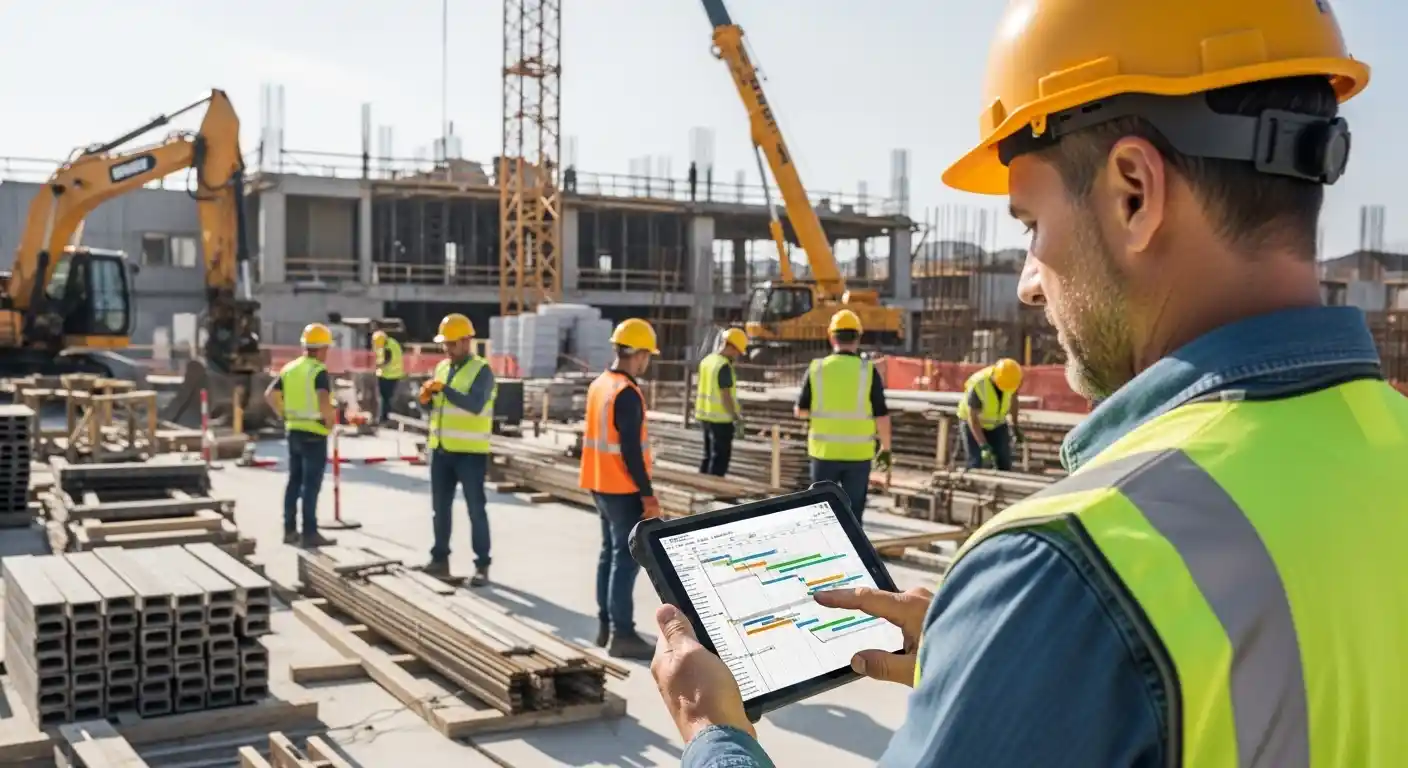
Before construction begins, a construction manager creates a detailed project plan that sequences every phase of work, identifies task dependencies, and allocates the right manpower, materials, and equipment at the right time.
Delays are inevitable weather, supply issues, permit holdups, or design changes can push timelines. A skilled construction manager builds contingency plans, updates schedules, redistributes resources, and communicates changes promptly to keep the project on track.
Modern managers use scheduling software like Microsoft Project, Procore, or Primavera P6 to track progress in real time, manage complex timelines, and identify potential bottlenecks before they become major problems.
Budget and Cost Management
Keeping a construction project on budget requires constant oversight. A construction manager monitors expenses in real time, reviews invoices, tracks material costs, and manages subcontractor payments to prevent overruns.
They negotiate contracts with vendors and subcontractors, source cost-effective materials without compromising quality, and maintain accurate financial records throughout the project. When costs exceed projections, they make timely decisions from value engineering design choices to renegotiating supplier contracts or alerting the client to potential issues.
Quality Control and Compliance
Delivering a project that matches the design takes more than just following the plans. A construction manager regularly checks the work, catches mistakes early, and makes sure any issues are fixed before they become expensive problems. They also make sure materials meet the required standards and that the work is done correctly.
Following the rules is just as important. Every project must meet local building codes, zoning laws, and permit requirements. Construction managers keep up with these regulations and make sure all contractors follow them, helping avoid delays, fines, or having to redo work.
Safety Management on Site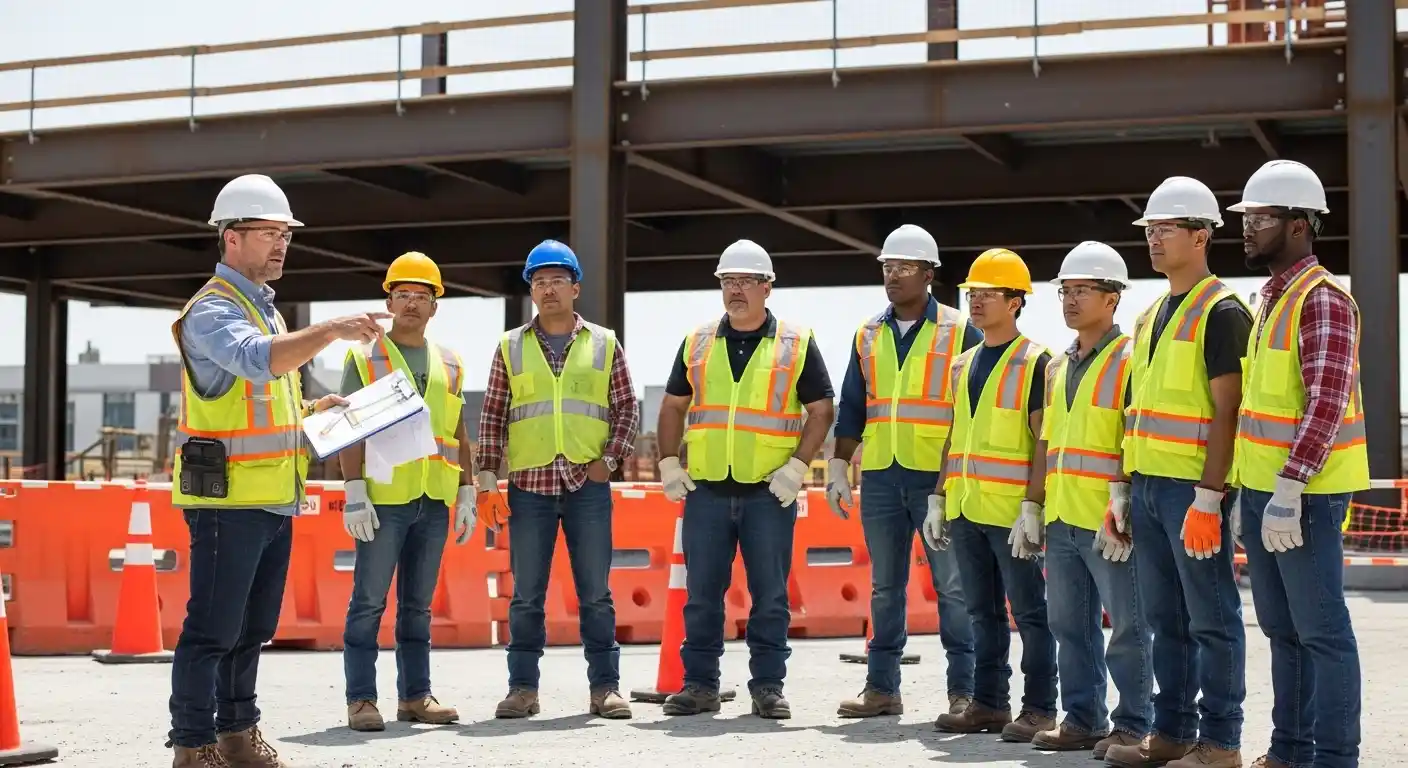
Construction is one of the most hazardous industries, and a construction manager is responsible for implementing and enforcing safety protocols that protect every worker. This includes ensuring proper use of personal protective equipment (PPE), conducting regular risk assessments, leading toolbox talks, and responding quickly to any incidents or near-misses.
Top construction managers go beyond rules enforcement, fostering a culture of safety where workers feel empowered to report hazards without fear. A strong safety culture reduces accidents, increases efficiency, boosts morale, and minimizes costly downtime.
Stakeholder Communication and Coordination
A construction manager is the main point of communication for the entire project. They work closely with architects and engineers to understand the design, spot potential construction issues, and manage questions from the field. They also keep clients and executives informed with updates on progress, budget, and schedule.
Coordinating subcontractors is another important task. With multiple trades on site like framing, electrical, plumbing, HVAC, and finishes a construction manager schedules their work, resolves conflicts, and makes sure each team has what they need to stay productive without causing delays.
Problem-Solving and Decision-Making
A top construction manager excels at solving problems quickly under pressure. Weather delays, material shortages, labor gaps, design conflicts, and equipment failures are common on every job site. They must assess each situation, weigh cost-quality-time tradeoffs, and make informed decisions that keep the project moving while minimizing downstream issues.
Tools, Technology, and Modern Practices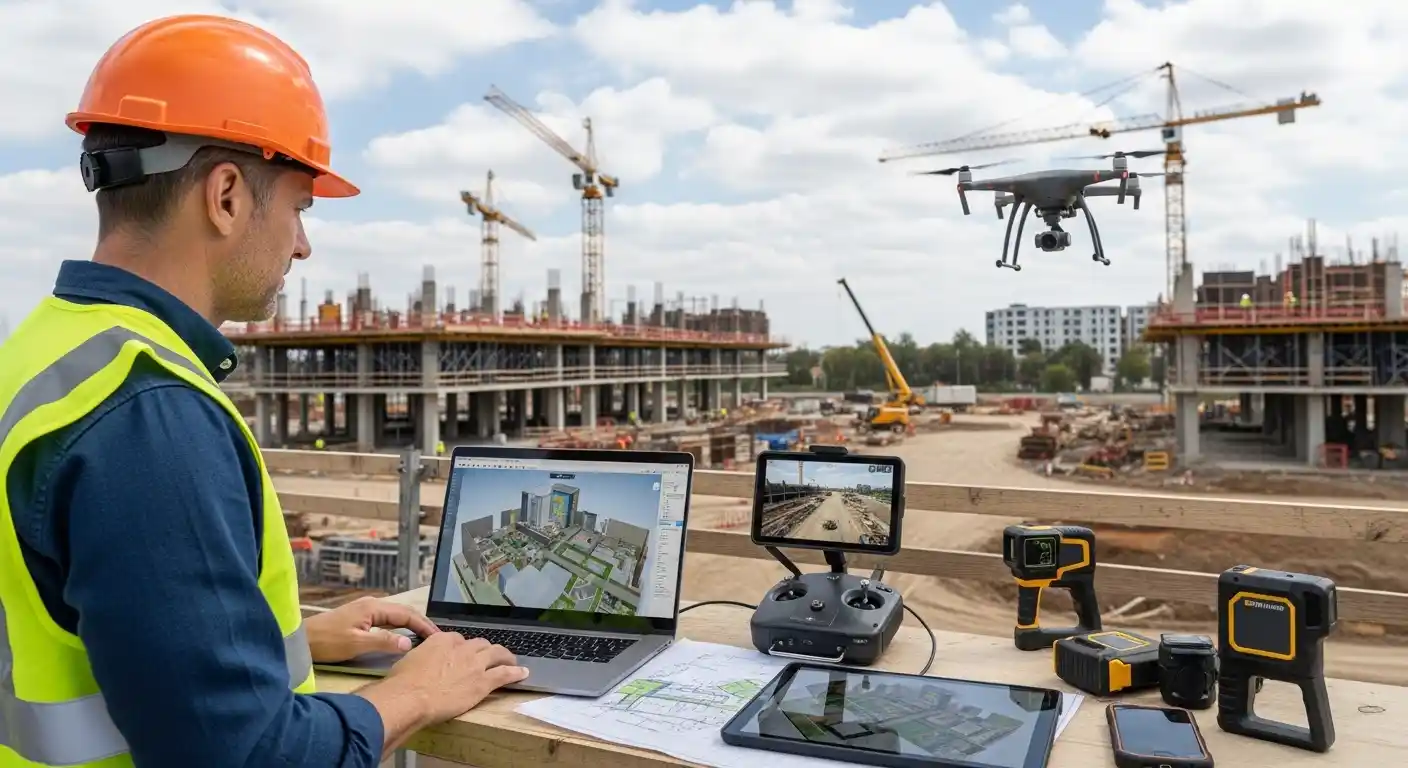
Construction managers today leverage a wide range of digital tools to increase efficiency and accuracy. Project management platforms like Procore, Buildertrend, and Microsoft Project help manage schedules, documentation, and team collaboration. Drones enable aerial site inspections and progress tracking, while 3D modeling and BIM (Building Information Modeling) allow managers to visualize designs and detect clashes before they become field issues. Time-tracking and reporting apps provide real-time insights into labor productivity and project costs.
Skills and Qualifications of a Construction Manager
Effective construction managers combine technical knowledge with strong leadership and organizational skills. They need to understand construction methods, materials, structural systems, and MEP (mechanical, electrical, plumbing) systems, as well as cost estimating and scheduling. They also communicate clearly with everyone on the project, from workers on site to company executives.
Most construction managers have a bachelor’s degree in construction management, civil engineering, or architecture. Many also earn certifications like the Certified Construction Manager (CCM) or Project Management Professional (PMP). Hands-on field experience is just as important, with many top managers starting in trades before moving into management roles.
Types of Projects Managed
Construction managers work across virtually every sector of the built environment. Residential projects range from custom homes to large multifamily developments. Commercial construction covers everything from office towers and retail centers to hotels and hospitals. Industrial projects include warehouses, manufacturing plants, and data centers.
Infrastructure construction encompasses roads, bridges, utilities, and public transit systems. Some construction managers specialize in one sector, while others build generalist experience across multiple project types.
Career Outlook and Opportunities
The demand for construction managers continues to grow, fueled by infrastructure projects, residential development, and complex modern construction. Experienced construction managers can earn competitive salaries and advance to senior roles, such as project director or executive positions.
A degree in construction management also opens doors to related fields like real estate development, facilities management, and construction technology.
How to Become a Construction Manager
Most construction managers start with a bachelor’s degree in construction management, civil engineering, or a related field. Internships and entry-level jobs provide hands-on site experience, and working under experienced mentors helps build the skills needed for independent project management.
Professional certifications, such as the Certified Construction Manager (CCM) offered by the CMAA, boost credibility and career growth. Building a strong network through industry associations, local construction groups, and mentorships is also key to long-term success in the field.
Signs You Need a Construction Manager on Your Project
Not every project needs a dedicated construction manager, but certain situations make one essential. Hire a construction manager if your project is complex, has a tight schedule, involves multiple contractors, carries high budget risks, or demands strict safety and quality standards.
On large or complicated projects, the cost of a construction manager is often far outweighed by the value they provide preventing delays, controlling costs, and ensuring the work is completed correctly.
Ready to Keep Your Project on Track in Phoenix, AZ?
Partner with our experienced construction managers at SS Paving to ensure your project stays on schedule, on budget, and built to the highest quality standards. Contact us today to get started! Our team handles every detail, from planning and coordination to on-site supervision, so you can focus on your goals. With local expertise in Phoenix, AZ, we make sure your construction project runs smoothly from start to finish.
Conclusion
A construction manager plays a vital role in ensuring a project is completed safely, on time, within budget, and to the highest quality standards. From planning and scheduling to overseeing crews, managing resources, and coordinating stakeholders, their expertise keeps even the most complex projects running smoothly. Whether you’re building a custom home, a commercial facility, or large infrastructure, hiring a skilled construction manager can save time, reduce costs, and prevent costly mistakes. For projects in Phoenix, AZ, having a dedicated professional on site ensures your vision becomes a reality with efficiency and peace of mind.
Frequently Asked Questions
What is the difference between a construction manager and a project manager?
A construction manager focuses on the on-site execution of a project, supervising crews, managing schedules, and ensuring compliance with codes. A project manager typically oversees broader business or administrative aspects and may manage multiple projects simultaneously.
How long does it take to become a construction manager?
Becoming a construction manager usually requires a bachelor’s degree in construction management, civil engineering, or a related field, plus 3–5 years of hands-on experience on job sites. Professional certifications can accelerate career growth.
When should I hire a construction manager for my project
You should hire a construction manager for complex projects with tight schedules, multiple contractors, high budgets, or strict safety and quality requirements. Their oversight prevents delays, cost overruns, and ensures work is done correctly.
What types of projects do construction managers work on?
Construction managers work across residential, commercial, industrial, and infrastructure projects, from custom homes and office buildings to bridges, roads, and public utilities.
Do construction managers improve project safety?
Yes. They implement safety protocols, conduct risk assessments, enforce PPE usage, lead toolbox talks, and foster a safety-first culture, reducing accidents and improving overall site efficiency.
