
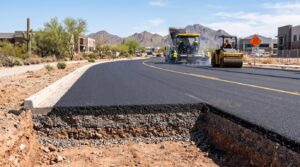
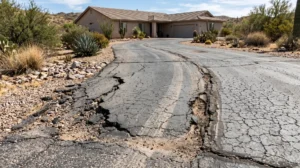

Sealing concrete is often promoted as a smart way to protect driveways, patios, and garage floors from stains, moisture, and wear. While sealing can extend surface life in certain conditions, it isn’t always the automatic upgrade it’s made out to be. In fact, sealing concrete comes with real drawbacks including ongoing maintenance, potential moisture trapping, surface peeling, increased slipperiness, and unexpected long-term costs.
Before you apply a sealer, it’s important to understand both the benefits and the hidden risks. In this guide, we’ll break down the honest pros, the lesser-known cons, and the situations where sealing concrete may do more harm than good — especially in extreme desert climates like Phoenix, AZ.
What Does Sealing Concrete Actually Do?
Before examining the downsides, it’s important to understand what sealing is meant to accomplish. Concrete is naturally porous, which means it absorbs water, oil, salts, and other contaminants into its surface. Over time, this absorption can lead to staining, surface deterioration, and in colder climates, freeze-thaw damage that causes cracking or spalling. A concrete sealer works by either penetrating into the pores to reduce absorption or forming a protective film on the surface that acts as a barrier against moisture and debris.
Types of Concrete Sealers
Concrete sealers generally fall into two main categories. Penetrating sealers such as silane, siloxane, and silicate-based products soak into the concrete and chemically react within the pores to repel water while maintaining a natural, breathable appearance. Topical (film-forming) sealers including acrylic, epoxy, and polyurethane coatings sit on top of the surface and create a visible protective layer that may enhance color or add gloss.
Each type performs differently, fails differently, and requires different levels of maintenance. Understanding this distinction is critical when evaluating the potential downsides of sealing concrete.
Why People Seal Concrete
Homeowners and contractors seal concrete for several practical reasons: to reduce water penetration, prevent oil and chemical stains, enhance the look of decorative or stamped surfaces, extend the life of driveways and patios, and minimize dust on garage or warehouse floors. These are all legitimate objectives. However, while sealing can help achieve them in certain situations, it is not always necessary — and in some cases, it can introduce new issues that outweigh the benefits.
The Main Downsides of Sealing Concrete
While sealing concrete can provide protection and aesthetic benefits, it also introduces risks that many homeowners overlook. Understanding these potential drawbacks is essential before committing to a product that may require ongoing maintenance, alter the surface permanently, or create moisture-related problems over time.
Ongoing Maintenance Requirements
Sealing concrete is not a permanent solution. Most film-forming sealers require reapplication every one to three years, while penetrating sealers typically last three to five years before renewal is needed. Each resealing involves cleaning, possible stripping of the old coating, and proper surface preparation, which adds ongoing labor and material costs. Over time, maintaining a sealed surface becomes a recurring commitment rather than a one-time improvement.
Moisture Trapping & Vapor Pressure Problems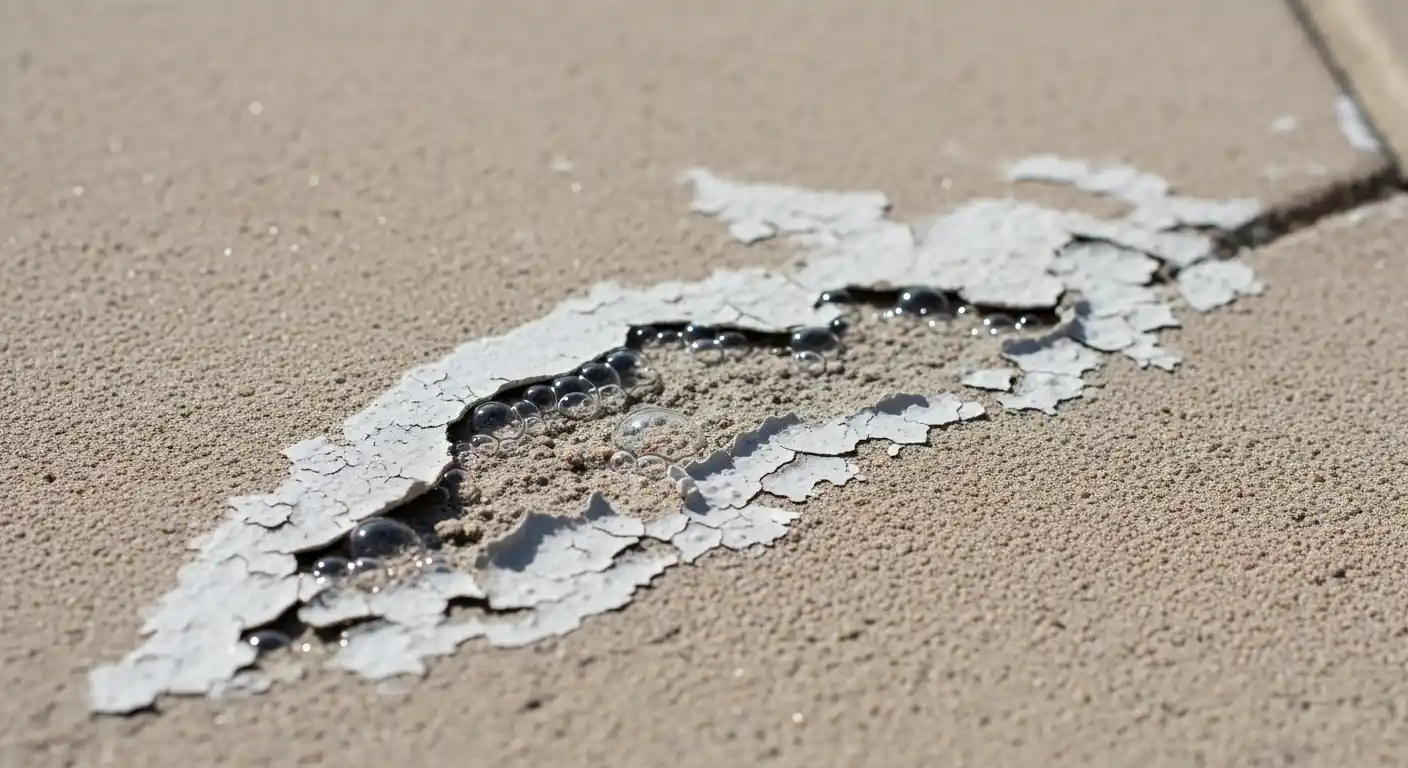
Concrete naturally contains moisture, especially in newer slabs or surfaces poured over soil. When a topical sealer is applied before the slab fully dries or when groundwater moves upward moisture can become trapped beneath the coating. As vapor pressure builds, it may cause bubbling, blistering, delamination, or even surface spalling. Without proper moisture testing and breathability, sealing can worsen underlying moisture issues instead of protecting the surface.
Peeling, Flaking, and Blistering
Film-forming sealers are prone to visible failure over time due to UV exposure, traffic wear, improper application, or poor surface preparation. Peeling and flaking occur when adhesion weakens, while blistering can result from trapped air or moisture. Once failure begins, removing the damaged coating can be labor-intensive and costly, often requiring chemical stripping before resealing is possible.
Slippery Surface Hazard
High-gloss acrylics and epoxy sealers can make concrete significantly more slippery when wet, creating safety concerns for driveways, patios, pool decks, and walkways. While anti-slip additives can improve traction, they increase cost and may alter the finish. Without proper planning, a sealed surface can introduce slip risks that were not present before treatment.
Appearance Changes You May Not Expect
Sealers alter the look of concrete, sometimes more dramatically than expected. Solvent-based products often create a darker “wet look” and glossy finish, while water-based options subtly change tone and reflectivity. Some sealers may yellow under UV exposure or develop a hazy appearance if applied incorrectly. Reversing unwanted visual changes typically requires complete removal of the coating.
Higher Long-Term Costs Than Expected
Although sealing appears affordable upfront, the cumulative expense increases over time due to repeated applications, surface preparation, equipment costs, and occasional stripping of failed coatings. Over a decade, maintaining a sealed driveway or patio can rival the cost of alternative treatments or professional repairs. The ongoing financial commitment is often underestimated at the start.
Environmental & Health Concerns
Many solvent-based sealers contain volatile organic compounds (VOCs) that release strong fumes during application and contribute to air pollution. In enclosed spaces, proper ventilation and protective equipment are essential. Additionally, improper disposal of leftover materials can affect soil and stormwater systems. Even lower-VOC water-based products require responsible handling and environmental consideration.
When Sealing Concrete Can Make Problems Worse
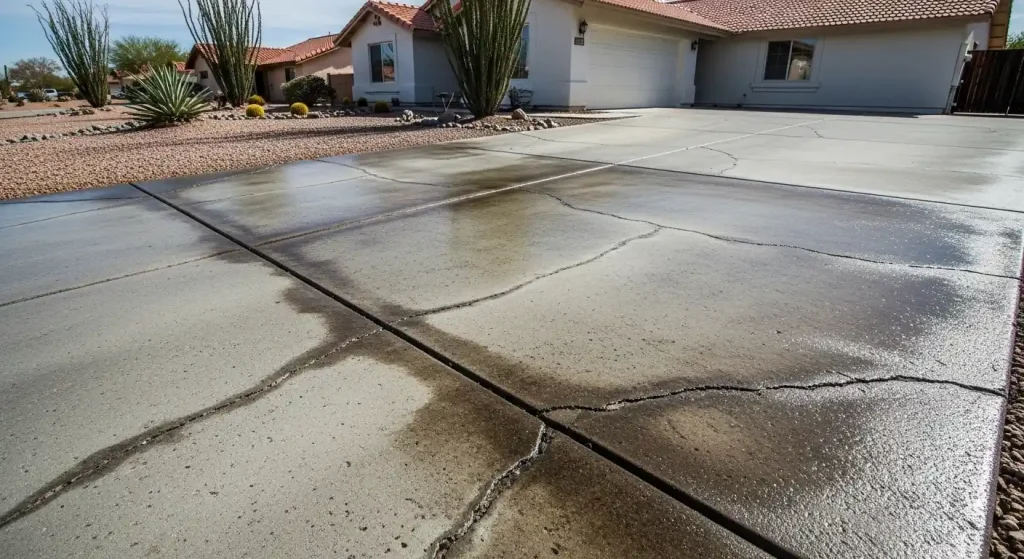
There are situations where sealing concrete doesn’t just fail to help it can actively worsen existing issues. Applying a sealer over cracked concrete does not stop water intrusion; instead, it can allow moisture to collect along crack edges while making future repairs more difficult. Likewise, sealing a slab that already has moisture problems can trap water beneath the surface, accelerating deterioration rather than preventing it.
Problems also arise when a new sealer is applied over a failing or improperly prepared coating. Without fully stripping the old layer, adhesion failure is likely, leading to peeling and uneven results. In addition, sealing concrete installed without proper drainage can encourage surface puddling instead of allowing water to disperse naturally, increasing the risk of long-term damage.
When You Should Not Seal Concrete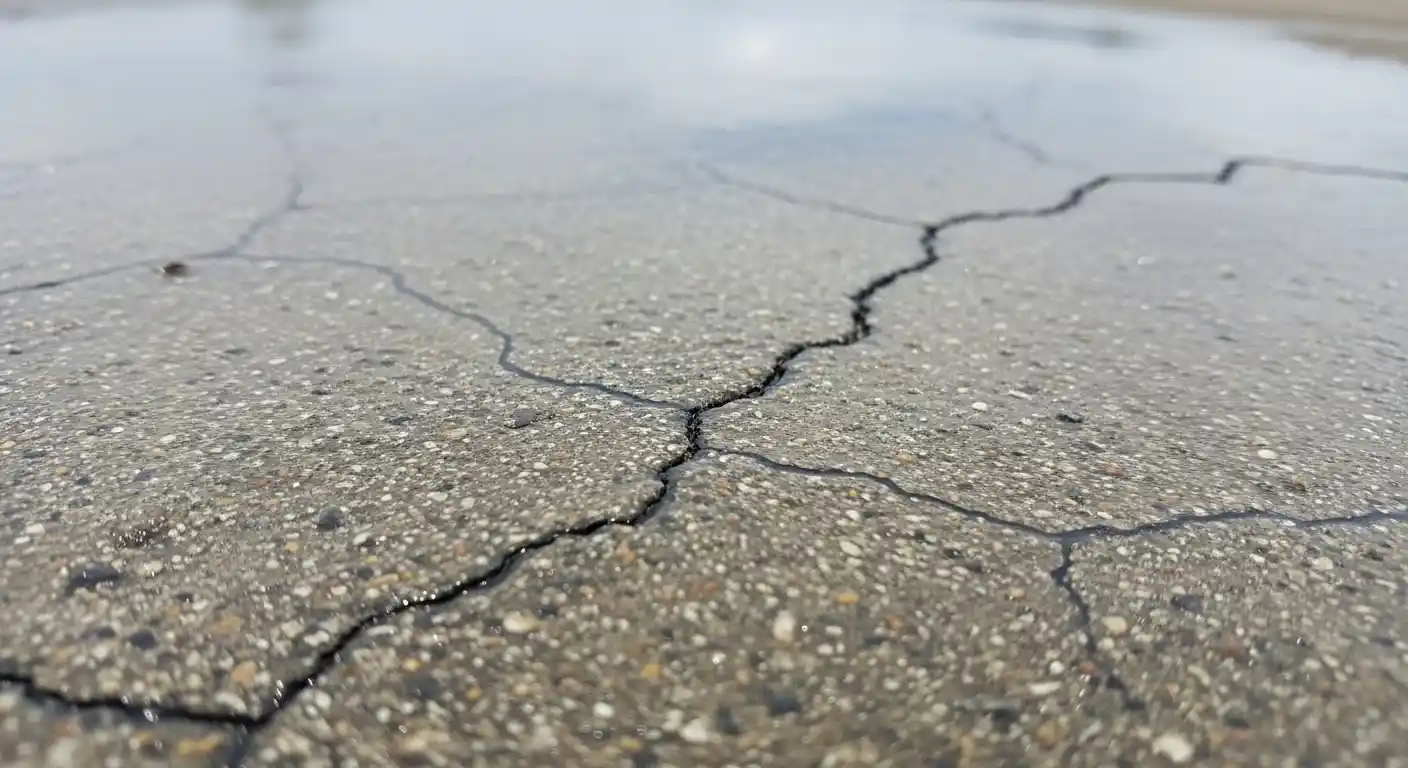
Sealing is not the right choice for every concrete surface. You should skip sealing if the concrete is newer than 28 days old, as it hasn’t fully cured and residual moisture will cause sealer failure. Avoid sealing if moisture testing reveals high vapor transmission from the slab this indicates an underlying moisture issue that needs to be addressed at the source, not sealed over.
Don’t seal concrete that has widespread cracking or structural issues, as sealing won’t fix these problems and may complicate repairs. Interior basement floors with known water intrusion are also poor candidates for topical sealers. And if the concrete surface is in a high-traffic commercial setting that will require frequent chemical cleaning, many standard residential sealers simply won’t hold up.
When Sealing Concrete Is Worth It
To be fair, sealing concrete is genuinely beneficial in the right circumstances. Decorative or stamped concrete almost always benefits from sealing, as it enhances color and protects the surface detail. Garage floors exposed to oil, road salt, and chemical spills are excellent candidates for high-quality epoxy or polyurethane coatings.
Driveways in climates with significant freeze-thaw cycles can benefit from penetrating sealers that prevent water infiltration into the pores without trapping moisture. Pool decks and patios where staining is a concern but where a penetrating sealer can be used keeping the surface breathable are also reasonable candidates. The key is choosing the right sealer for the right application and understanding the maintenance commitment upfront.
Alternatives to Sealing Concrete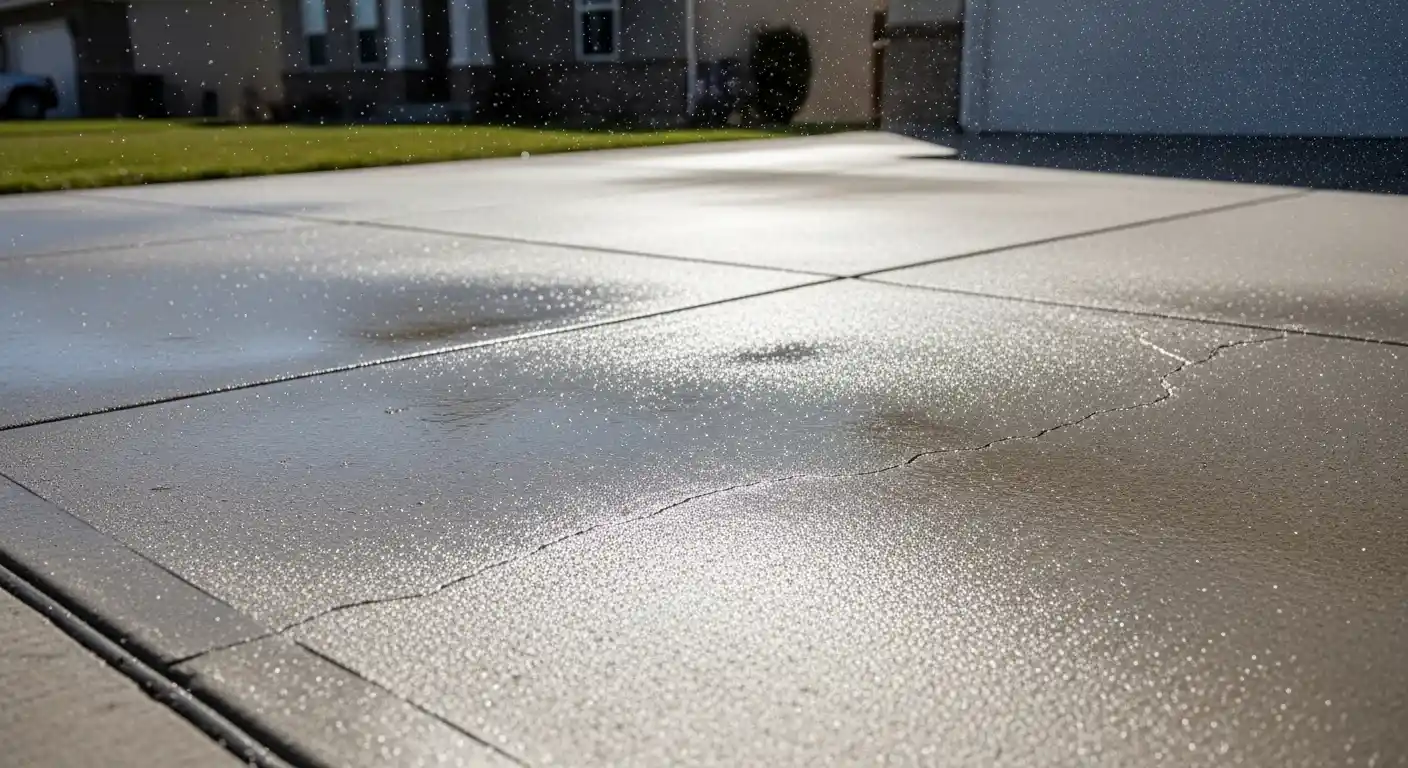
If the downsides of sealing concrete outweigh the benefits for your situation, there are alternative approaches worth considering.
Concrete Densifiers
Densifiers are reactive chemicals typically lithium, sodium, or potassium silicate that penetrate the concrete and chemically react with the calcium hydroxide in the cement matrix to produce a harder, denser surface. They don’t create a film on top of the concrete, so there’s no peeling, no moisture trapping, and no glossy finish. Densifiers are widely used on industrial and commercial floors where durability is the priority.
Silicate Hardeners
Similar to densifiers, silicate hardeners penetrate and strengthen the concrete surface from within rather than coating it. They increase abrasion resistance and reduce dusting without changing the surface appearance. For interior concrete floors where a natural look is preferred, silicate hardeners are often a better choice than topical sealers.
Proper Curing Methods
Much of the benefit attributed to sealing concrete reduced cracking, better durability is better achieved by ensuring the concrete is properly cured from the beginning. Proper curing involves keeping fresh concrete moist and at the right temperature for the first week or more after pouring, which allows the cement to fully hydrate and develop maximum strength. Investing in proper curing at installation reduces the need for protective treatments later.
Improved Drainage Design
A significant number of concrete problems attributed to surface deterioration are actually caused by poor drainage. Water pooling on or around a concrete slab accelerates freeze-thaw damage, promotes biological growth, and causes staining. Improving the grading around a slab, installing drainage channels, or adjusting downspout placement can address the root cause of many concrete problems without applying any product to the surface at all.
Routine Cleaning & Maintenance
For many homeowners, a consistent cleaning routine, pressure washing annually, removing stains promptly, and clearing debris does more to extend the life of concrete than sealing. Without a film-forming sealer to maintain, there’s no peeling to deal with, no slippery surface to worry about, and no reapplication schedule to keep. Clean, well-maintained unsealed concrete can last for decades.
Common Myths About Sealing Concrete
Concrete sealing is surrounded by marketing claims and contractor advice that often blur the line between protection and exaggeration. Understanding what sealers actually can and cannot do helps prevent unrealistic expectations and costly mistakes.
Sealing Prevents Cracks
Sealers do not prevent concrete from cracking. Cracks form due to shrinkage during curing, temperature changes, soil movement, and structural loads forces that no surface coating can control. While a sealer may slow water intrusion into existing cracks, it does nothing to stop the underlying structural causes of cracking.
Sealed Concrete Is Waterproof
Concrete sealers are water-resistant, not waterproof. Even high-quality topical coatings gradually wear down with UV exposure, traffic, and weather. Penetrating sealers reduce water absorption significantly, but they do not eliminate it entirely. Sealing should be viewed as a protective maintenance measure not a permanent waterproofing solution.
You Only Need to Seal Once
Sealing concrete is never a one-time task. Film-forming sealers begin degrading from the moment they are exposed to sunlight and traffic, and most require reapplication every one to three years. Even penetrating sealers need periodic renewal. Assuming a single application will provide lifelong protection often leads to premature surface deterioration and unexpected maintenance costs.
All Sealers Work the Same
Not all sealers are created equal. Basic acrylic products differ significantly from professional-grade polyurethanes or penetrating silane-based sealers in durability, breathability, appearance, VOC content, and maintenance demands. Choosing the wrong type for a specific environment is one of the most common reasons sealing projects fail. Matching the product to the surface conditions is essential for performance and longevity.
Protect Your Concrete the Right Way in Phoenix, AZ
If you’re considering sealing your driveway, patio, or commercial concrete in Phoenix, AZ, make sure you’re making the right decision for our extreme desert climate. At SS Paving, we evaluate your surface conditions, moisture levels, and long-term maintenance goals before recommending any solution. Whether sealing is the right choice or not, our team provides honest guidance and professional results built to withstand Arizona heat. Contact SS Paving today to schedule your consultation and get a free estimate now and protect your investment the smart way.
Conclusion
Sealing concrete can be beneficial but only when used deliberately and under the right conditions. It is not a universal solution, and it comes with real trade-offs, including ongoing maintenance, moisture risks, appearance changes, and long-term costs. For decorative surfaces, harsh climates, or specific performance needs, sealing may add value. In other situations, it can create more problems than it solves.
The key is understanding what sealing can and cannot do. When you match the right sealer to the right surface, address moisture and drainage issues first, and set realistic expectations for maintenance, sealing can be a useful tool. When applied blindly or treated as a permanent fix, it often becomes an expensive cycle of repairs and resealing. Making an informed decision upfront is the best way to protect both your concrete and your budget.
Frequently Asked Questions
Is sealing concrete always necessary?
No. Many concrete surfaces perform perfectly well without sealing, especially in low-traffic areas, mild climates, or where moisture issues are present. Sealing is situational, not mandatory.
How long does concrete sealer actually last?
Most film-forming sealers last one to three years, while penetrating sealers typically last three to five years. Lifespan depends on traffic, sun exposure, weather conditions, and maintenance.
Can sealing concrete fix existing damage?
No. Sealers do not repair cracks, spalling, or structural issues. Applying sealer over damaged concrete may hide problems temporarily but often makes future repairs more difficult.
What happens if you never seal concrete?
Unsealed concrete may stain more easily and absorb moisture, but it also avoids risks like peeling, trapped moisture, and resealing costs. In many cases, properly cured and well-drained concrete can last decades without sealing.
What is the biggest mistake people make when sealing concrete?
The most common mistake is applying the wrong type of sealer for the surface or sealing concrete with unresolved moisture problems. Skipping surface prep and moisture testing is another major cause of failure.
